


Winter 2026/27 schedule: what airlines changed this season
The winter 2026/27 schedule began on 25 October. Seats are up 2.2% worldwide on fewer extra flights: Italy, Brazil and Spain grow, Germany and Russia shrink.
Airline route growth for 2027: US airlines head for Europe's smaller cities, Air Canada adds five cities, Riyadh Air scales up and Ryanair shifts to Italy.
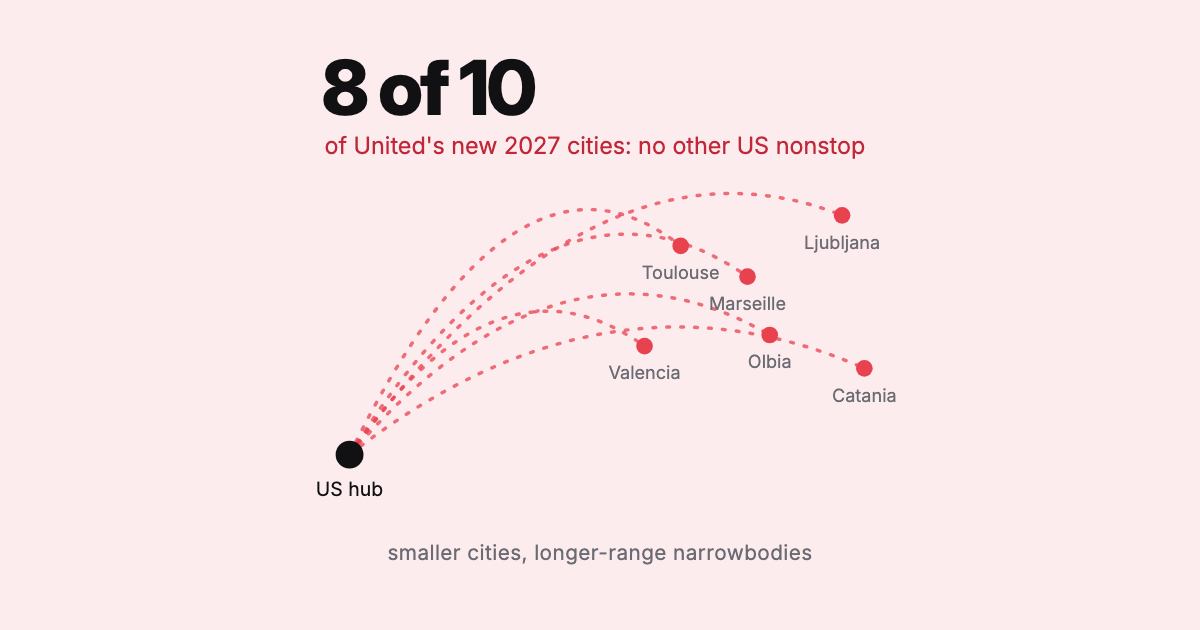
Want to know where you’ll be able to fly nonstop next year? Look at the route announcements airlines have made this autumn. The pattern for 2027 is clear: fewer new links between the obvious big cities, and many more to smaller places — Ljubljana, Porto, Olbia, Shannon, Okinawa — rather than the obvious hubs. Here is where airlines are adding flights for 2027, and why.
The biggest single announcement came from United, which in August unveiled what it called the largest expansion in its history: 10 new cities for 2027, plus four new routes to places it already serves. Most of them are in Europe — Luxembourg, Toulouse, Ljubljana, Olbia, Catania, Ibiza, Valencia, Marseille and Terceira in the Azores — plus Okinawa in Japan from San Francisco. United says that for eight of the ten new cities it will be the only US airline flying there nonstop.
The others are following the same map:
Two things are driving this.
A new kind of aircraft. Five of United’s new routes use the Airbus A321XLR — a single-aisle jet of the kind usually flown on short and medium routes, but with enough range to cross the Atlantic. Air Canada says its new routes are made possible by the A321XLR and newer widebody jets. A smaller plane means an airline can serve a city that couldn’t fill a much bigger widebody every day.
Too few big planes. Widebody deliveries are lagging — we covered that in our look at Q3 2026 aircraft deliveries — so airlines are getting more out of the narrowbodies they can get. Many of these routes are also seasonal: Alaska’s Athens and Paris flights, for example, end in October 2027.
The transatlantic market isn’t the only one growing:
In Europe the story is less about more flights and more about where. Ryanair expects to grow capacity only 2–3% in summer 2027. But it is moving aircraft around: it plans a new two-aircraft base in Rimini, Italy, for summer 2027 — 17 routes and more than 600,000 seats — reportedly helped by local authorities’ move to scrap a municipal passenger tax. At the same time it is leaving a string of airports this year and next, including Bremen in Germany from March 2027, citing rising airport fees and high operating costs.
That fits what this winter’s schedules already show: strong growth in Italy and Spain, a shrinking German market. (See what changed in the winter 2026/27 schedule.)
Route announcements are plans, not promises. Start dates can move with aircraft deliveries — especially when new jets arrive years late. And a new route only lasts if enough people fly it; many seasonal routes are trials.
For airports, tourism boards and planners, the useful question is less “what’s new?” than “what actually changed in the schedule, week by week?” — a question best answered from the schedule data itself. That kind of season-to-season comparison is what SSIM Toolkit does, on your own machine. For background on how these decisions are made, see the airline planning cycle.
Routes and dates are as announced by the airlines in 2026 and may change; route counts in the chart cover the announcements cited below, not every airline’s 2027 plans.
Sources
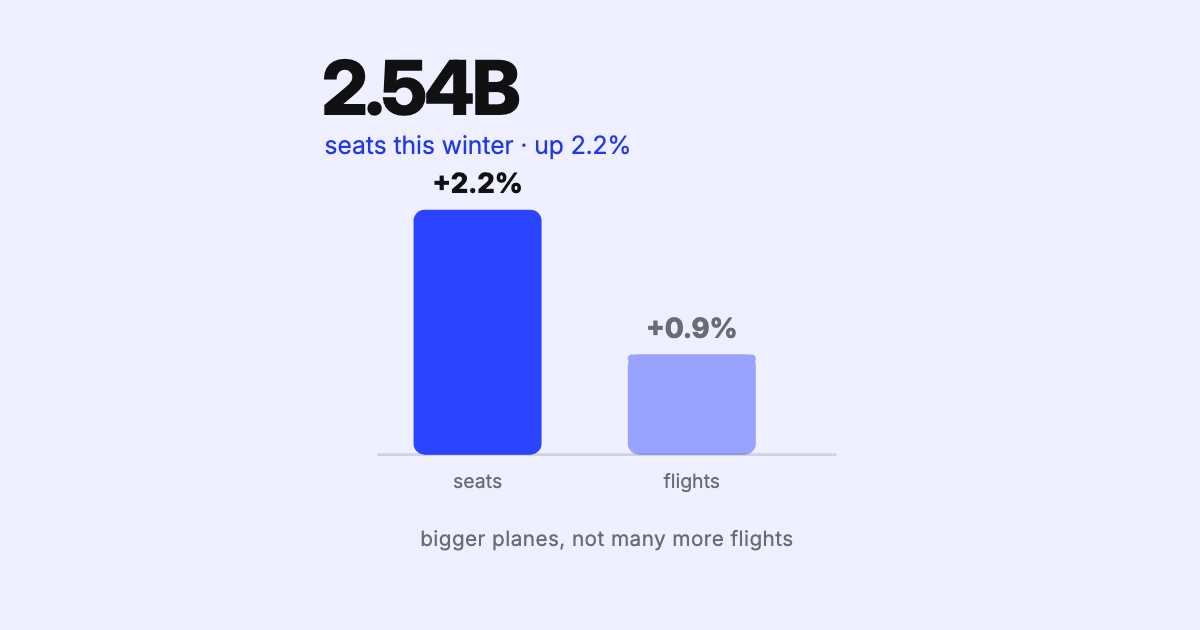
The winter 2026/27 schedule began on 25 October. Seats are up 2.2% worldwide on fewer extra flights: Italy, Brazil and Spain grow, Germany and Russia shrink.
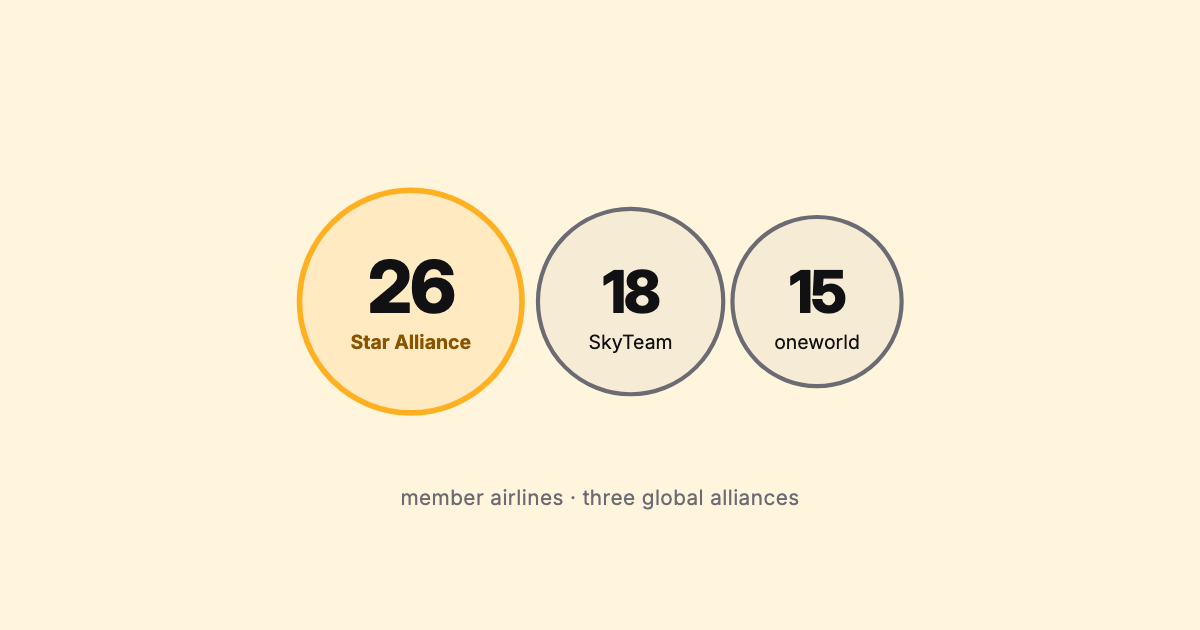
Airline alliances explained: how Star Alliance, oneworld and SkyTeam began, who belongs, what they give travellers, and how they differ from codeshares.
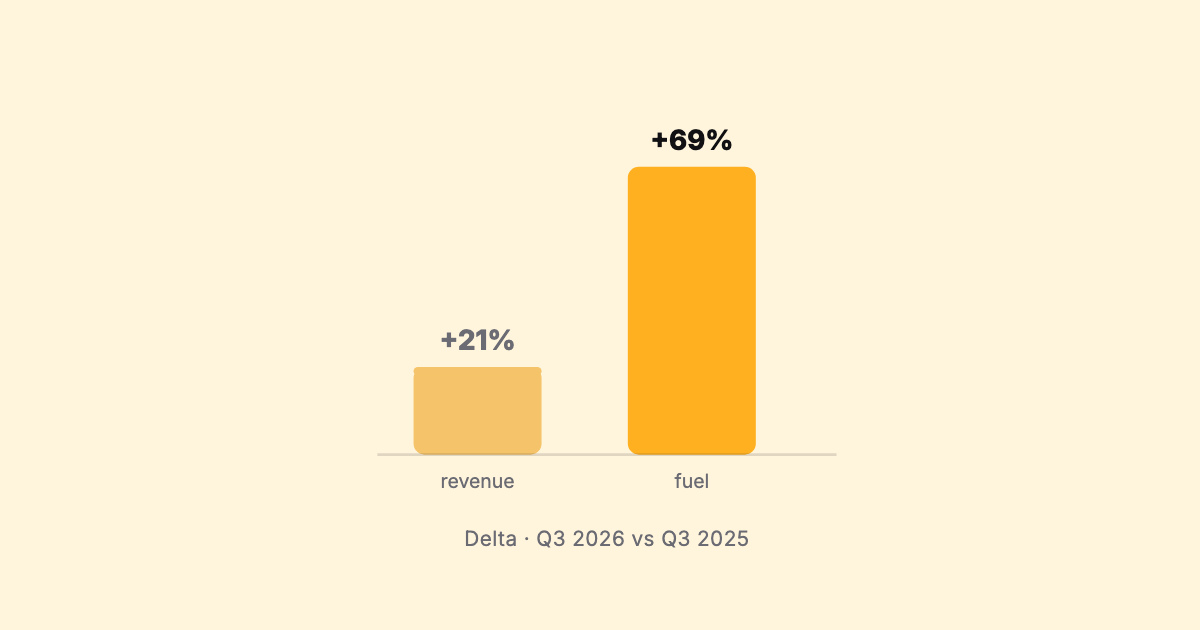
Airline earnings for Q3 2026: Delta, United and Southwest stayed profitable, American and Alaska lost money. Record revenue at four of them — and fuel up over 60%.