Aircraft turnaround time: what happens in 45 minutes
Aircraft turnaround time explained: deboarding, cleaning, catering, fuel, bags and boarding overlap; typical narrowbody and widebody turns, and why it counts.
Two airlines, one World Cup quarter-final, and a wager settled with a 24-hour logo swap. The story behind aviation's most-shared marketing moment of 2026.
Airlines don’t usually make headlines for their social-media manners. This week, two of them did — and it had nothing to do with schedules, fares, or delays, and everything to do with a football match.
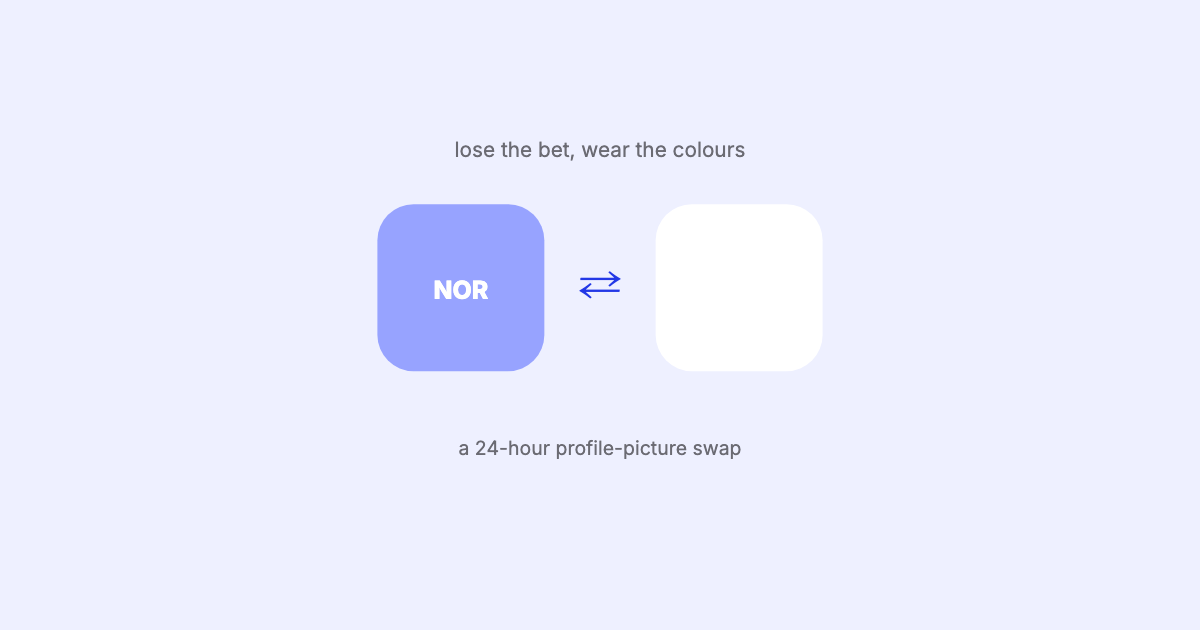
Ahead of a 2026 FIFA World Cup quarter-final between England and Norway, British Airways (backing England) and Norwegian Air Shuttle (backing Norway) traded friendly jabs online — and turned it into a wager: whichever airline’s team lost would swap its social-media logo for the other’s, for 24 hours.
It’s the kind of low-stakes, high-visibility stunt that either falls flat or takes off. This one took off.
England won the quarter-final 2–1, and Norwegian honoured the bet: its Instagram profile picture became British Airways’ for a full day before being restored with a good-humoured post. The two brands leaned all the way in — reports note a Norwegian employee even flew to London to shake hands on the bet and swap USB drives carrying each other’s logos.
Football fans and avgeeks alike ate it up; the exchange was widely shared as one of the tournament’s most entertaining off-pitch moments.
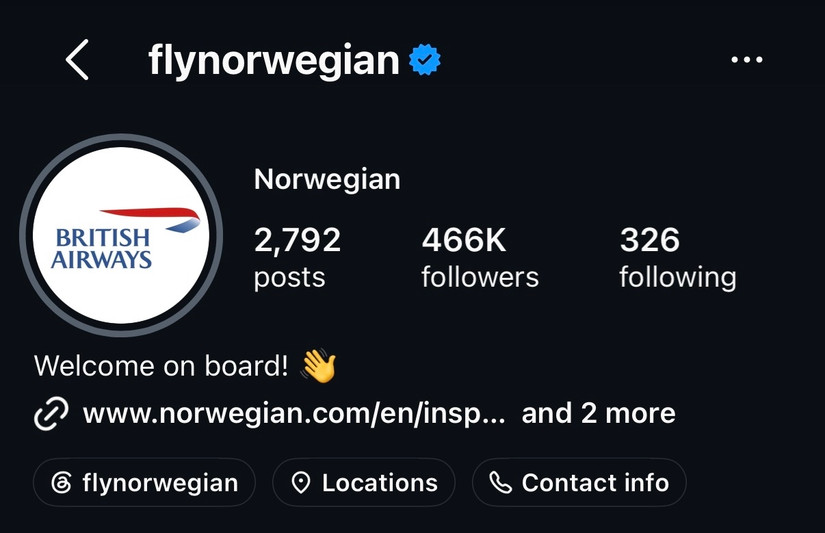
@flynorwegian account wearing British Airways' logo for the day. Screenshot via Instagram.Airlines are, at heart, brands you carry with you — a tail you photograph, an app icon on your phone, a livery you recognise across a crowded apron. So a temporary identity swap is a perfect internet stunt: it’s cheap, it’s reversible, it’s instantly legible, and it turns a rival into a co-star instead of a target. Nobody gets hurt, both brands get reach, and the audience gets to feel in on the joke.
It also lands because airline rivalries are real but rarely nasty in public. A World Cup gives two carriers a borrowed storyline — national pride, a fixed result, a clear winner — to hang a bit of theatre on. The football did the plot; the airlines just showed up in costume.
There’s a small irony worth enjoying here: a brand’s logo is one of its most fiercely protected assets, and trademark teams spend careers making sure nobody else uses it. For 24 hours, one airline handed its mark to a rival on purpose — and it was the best advertising either of them bought all month.
The takeaway isn’t that airlines should gamble their identities every time there’s a match. It’s that a brand confident enough to laugh at itself, briefly and on its own terms, reads as more likeable, not less. Norwegian lost the bet and, arguably, won the week.
From the team behind SSIM Toolkit — the local workbench for airline schedule data.
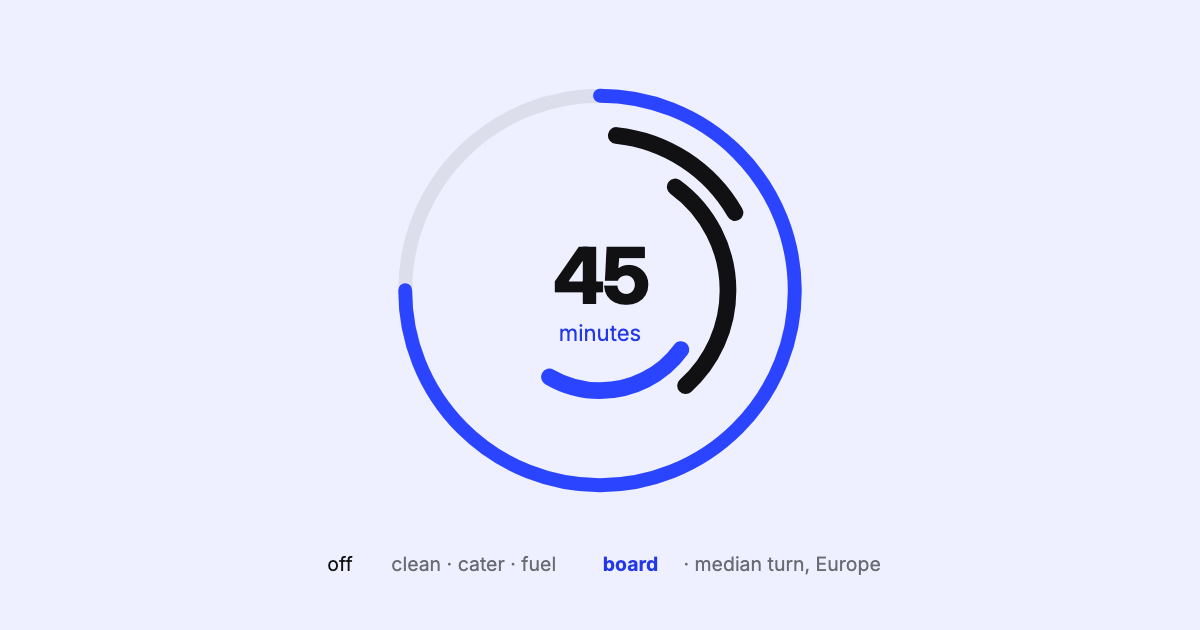
Aircraft turnaround time explained: deboarding, cleaning, catering, fuel, bags and boarding overlap; typical narrowbody and widebody turns, and why it counts.
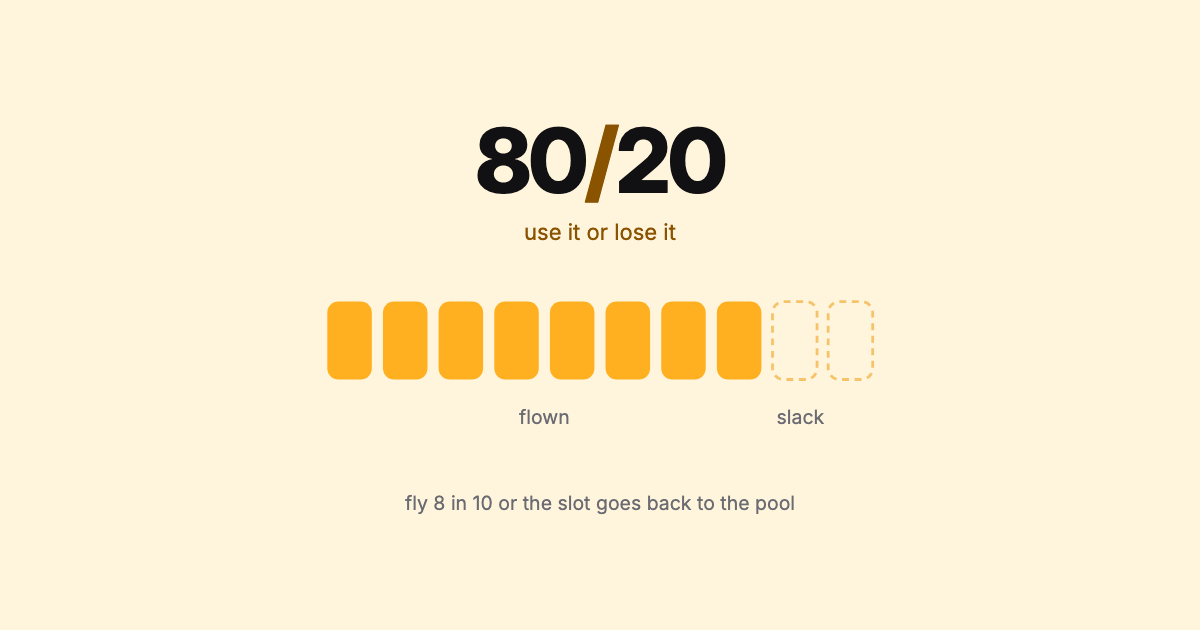
The 80/20 slot rule: fly a slot series 80% of the time or lose it. Where it applies, what COVID changed, ghost flights, and where the rule stands now.
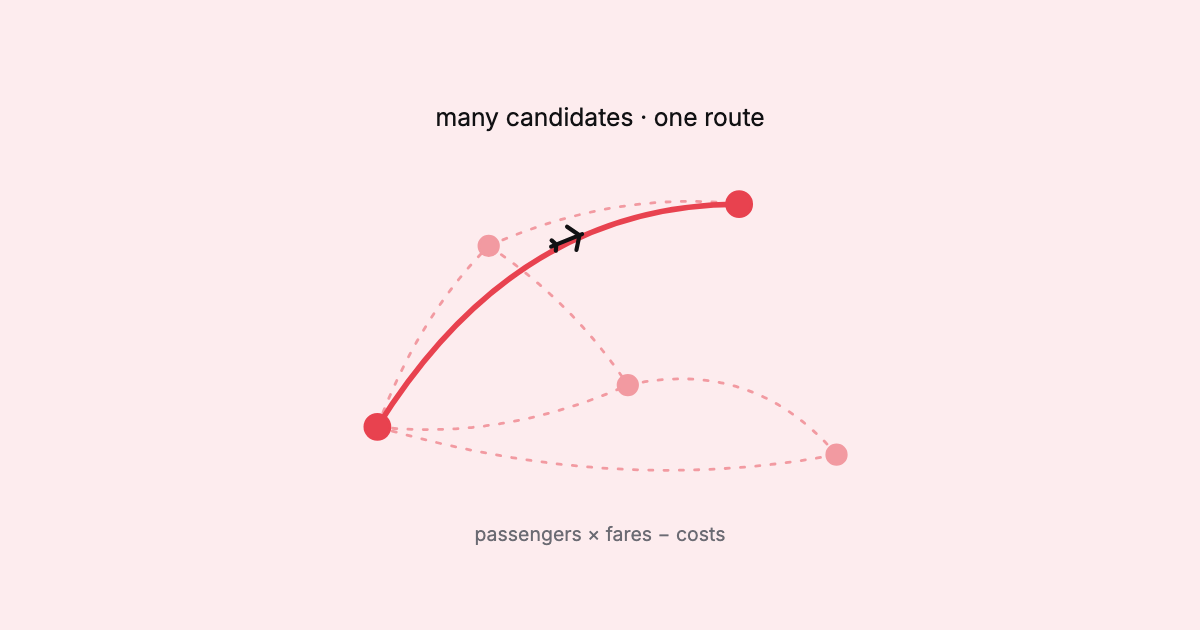
How airlines decide which routes to fly: demand, rivals, the right aircraft, airport slots, hub connections, seasons, and whether the route makes money.