


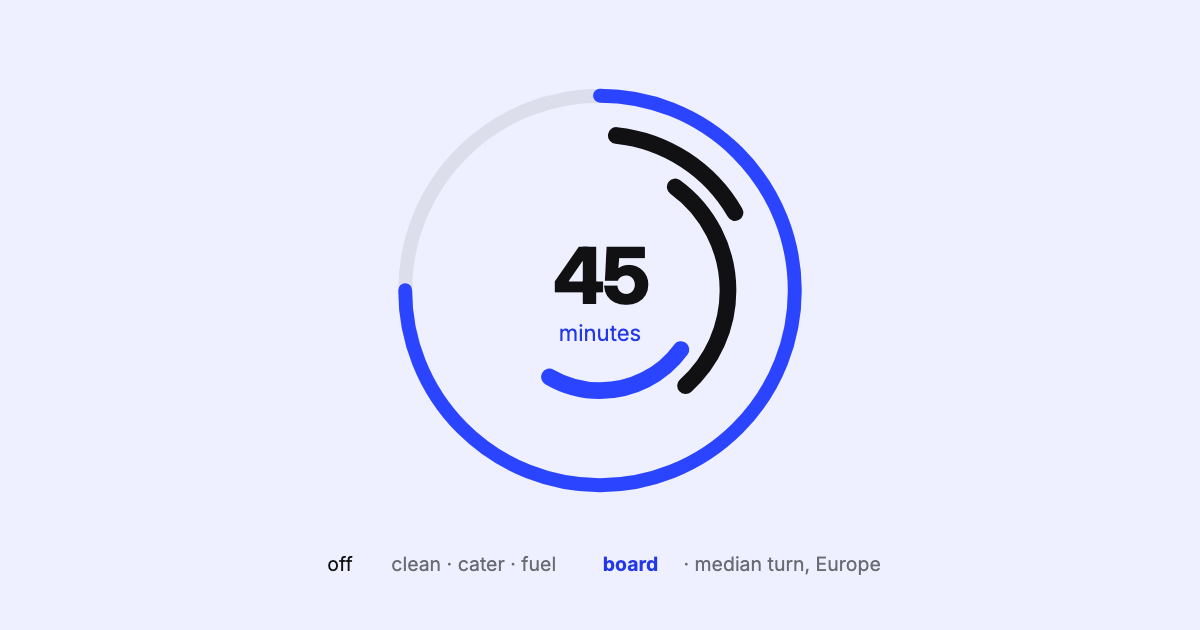
Aircraft turnaround time: what happens in 45 minutes
Aircraft turnaround time explained: deboarding, cleaning, catering, fuel, bags and boarding overlap; typical narrowbody and widebody turns, and why it counts.
Active Flights · Blog
Clear explainers on aviation and space, SSIM and schedule data, and the industry — from the team behind Active Flights.
Aviation6 min read
Aircraft turnaround time explained: deboarding, cleaning, catering, fuel, bags and boarding overlap; typical narrowbody and widebody turns, and why it counts.
Industry & Markets6 min read
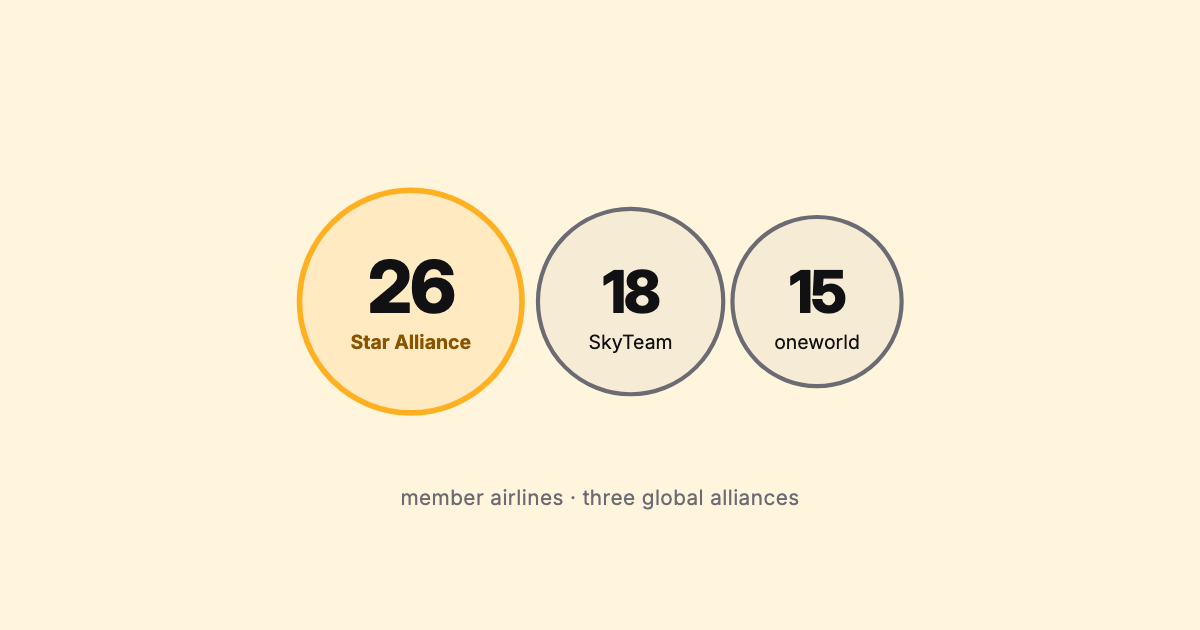
Airline alliances explained: how Star Alliance, oneworld and SkyTeam began, who belongs, what they give travellers, and how they differ from codeshares.
Industry & Markets6 min read
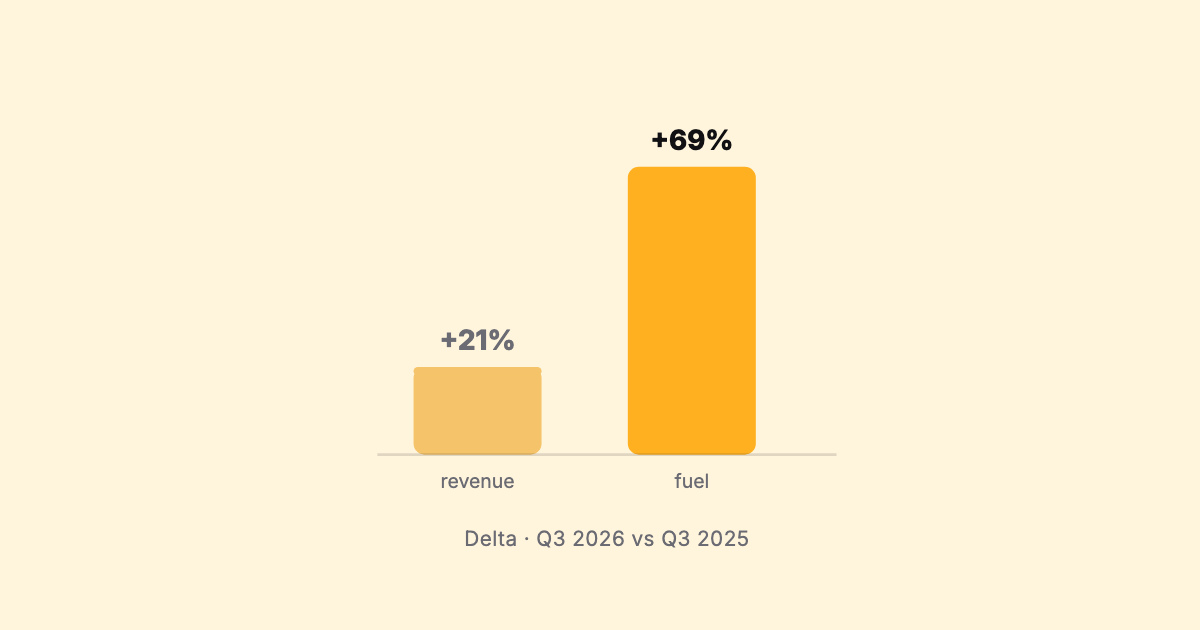
Airline earnings for Q3 2026: Delta, United and Southwest stayed profitable, American and Alaska lost money. Record revenue at four of them — and fuel up over 60%.
Industry & Markets6 min read
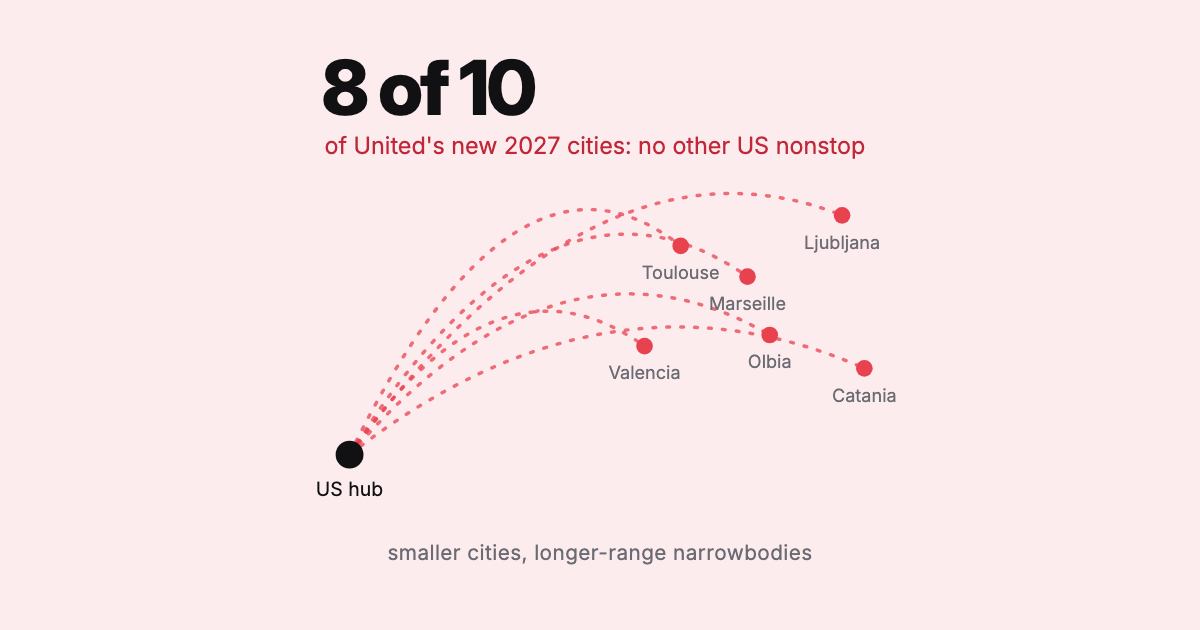
Airline route growth for 2027: US airlines head for Europe's smaller cities, Air Canada adds five cities, Riyadh Air scales up and Ryanair shifts to Italy.
Aviation7 min read
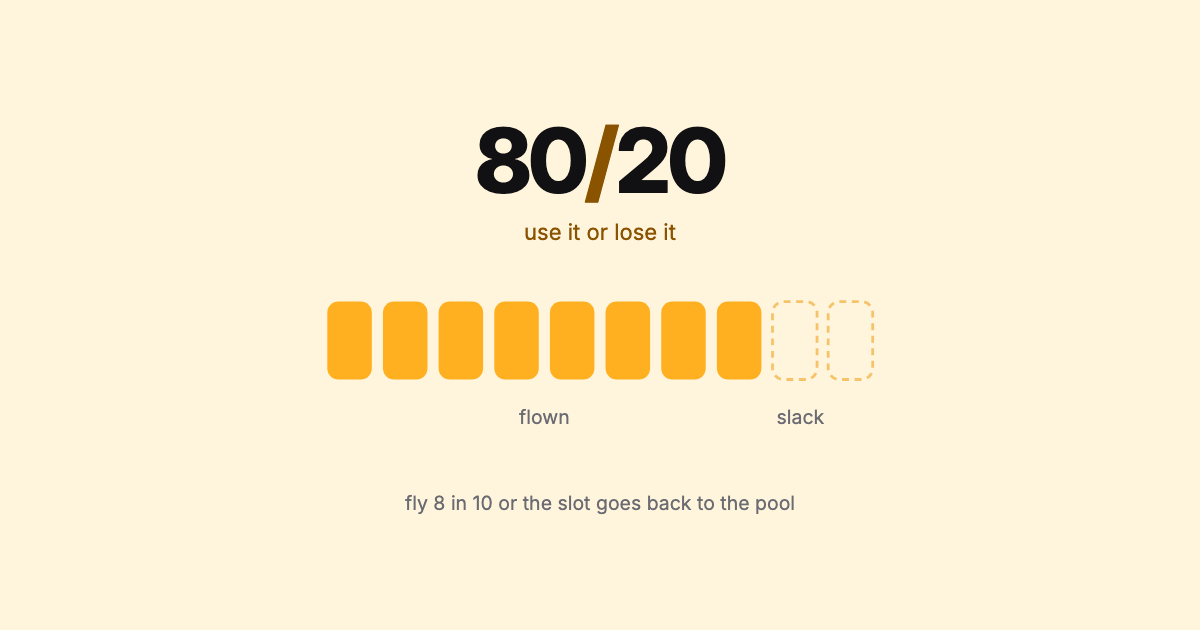
The 80/20 slot rule: fly a slot series 80% of the time or lose it. Where it applies, what COVID changed, ghost flights, and where the rule stands now.
SSIM & Schedules2 min read
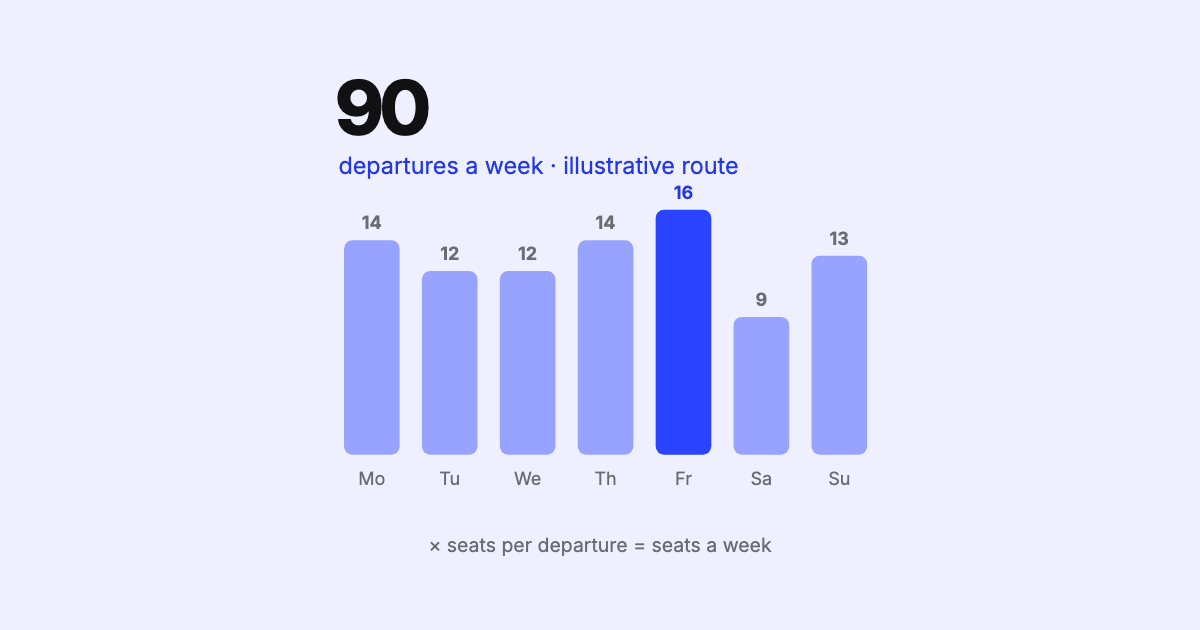
Weekly frequencies and seats are the first figures anyone wants from a schedule — and the ones most often wrong. The traps behind the numbers, and why they matter.
Aviation6 min read
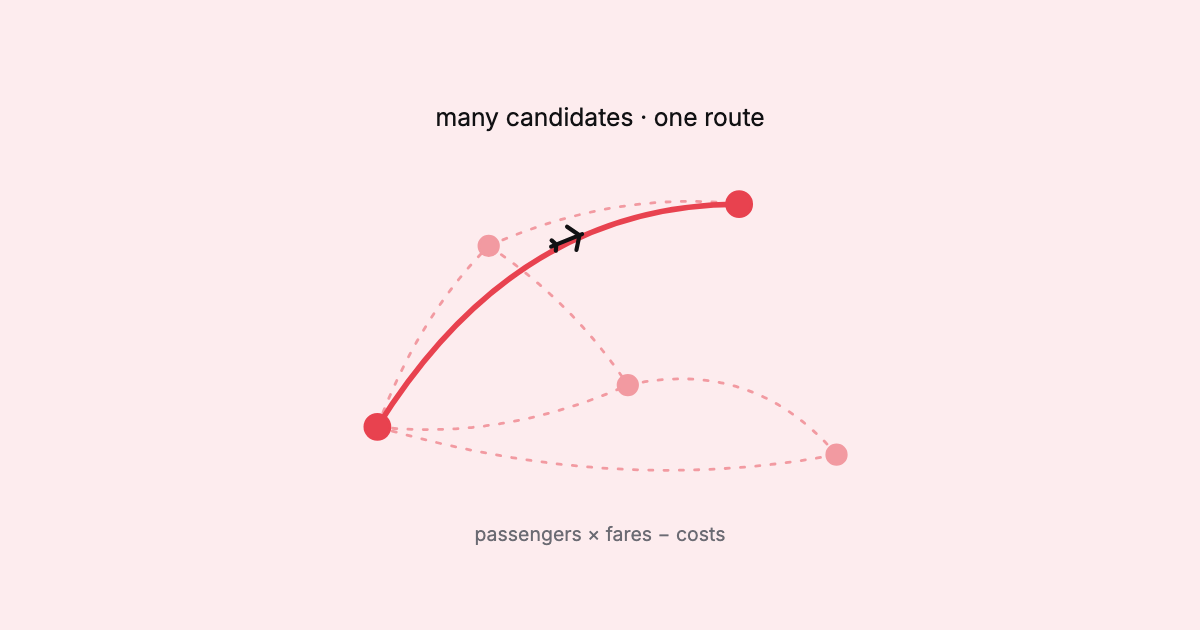
How airlines decide which routes to fly: demand, rivals, the right aircraft, airport slots, hub connections, seasons, and whether the route makes money.
SSIM & Schedules3 min read
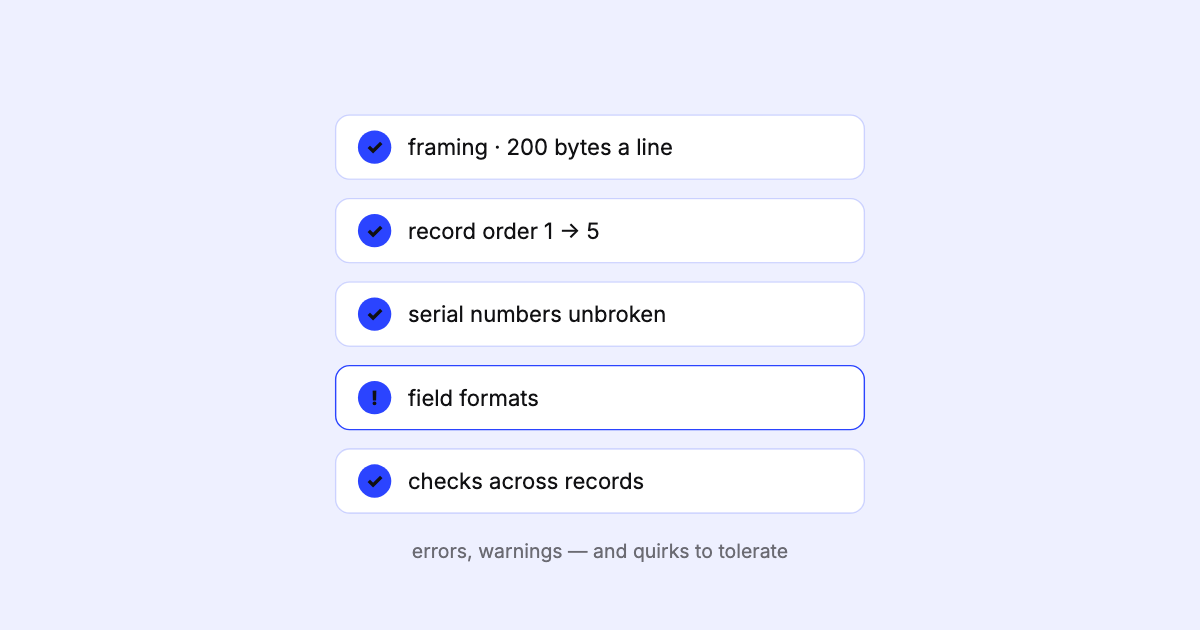
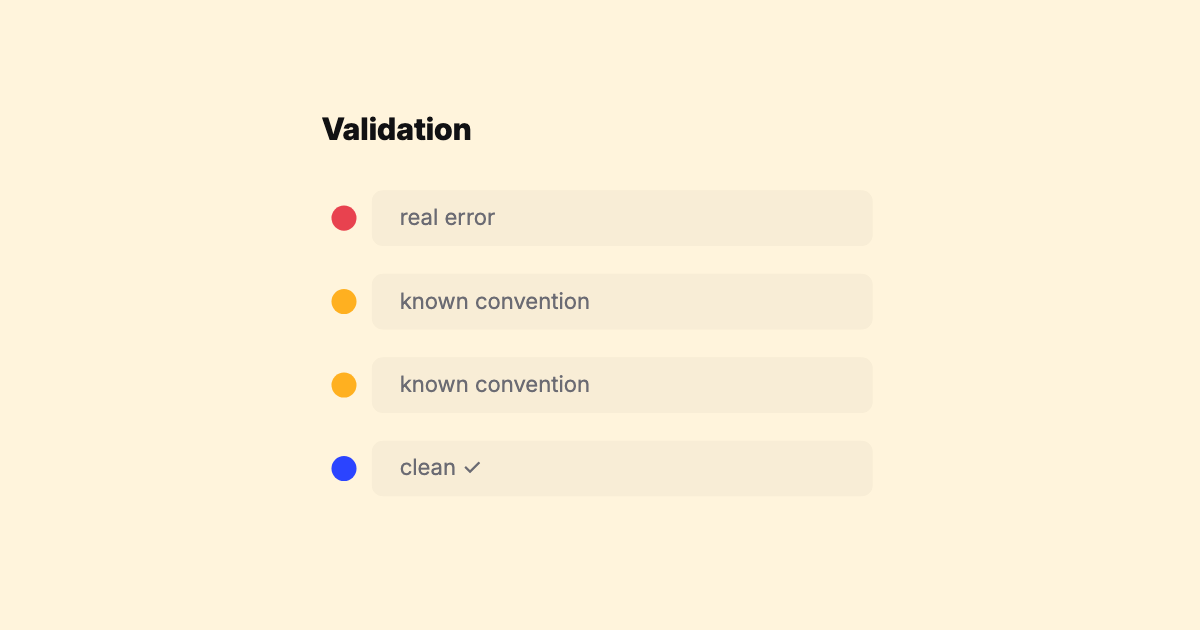
An SSIM schedule can be wrong without ever raising an error. What goes wrong in real files, what it costs downstream, and why validation has to come first.
Aviation6 min read
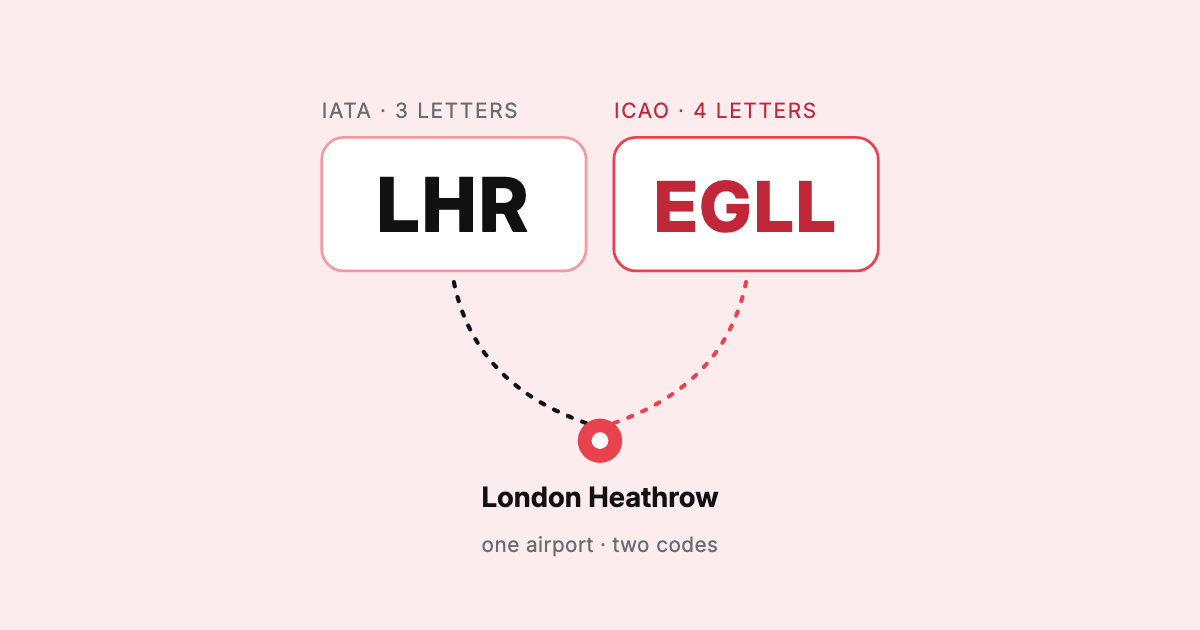
IATA vs ICAO airport codes explained: why airports have a three-letter and a four-letter code, who assigns each, where they're used, and why LAX has an X.
SSIM & Schedules7 min read
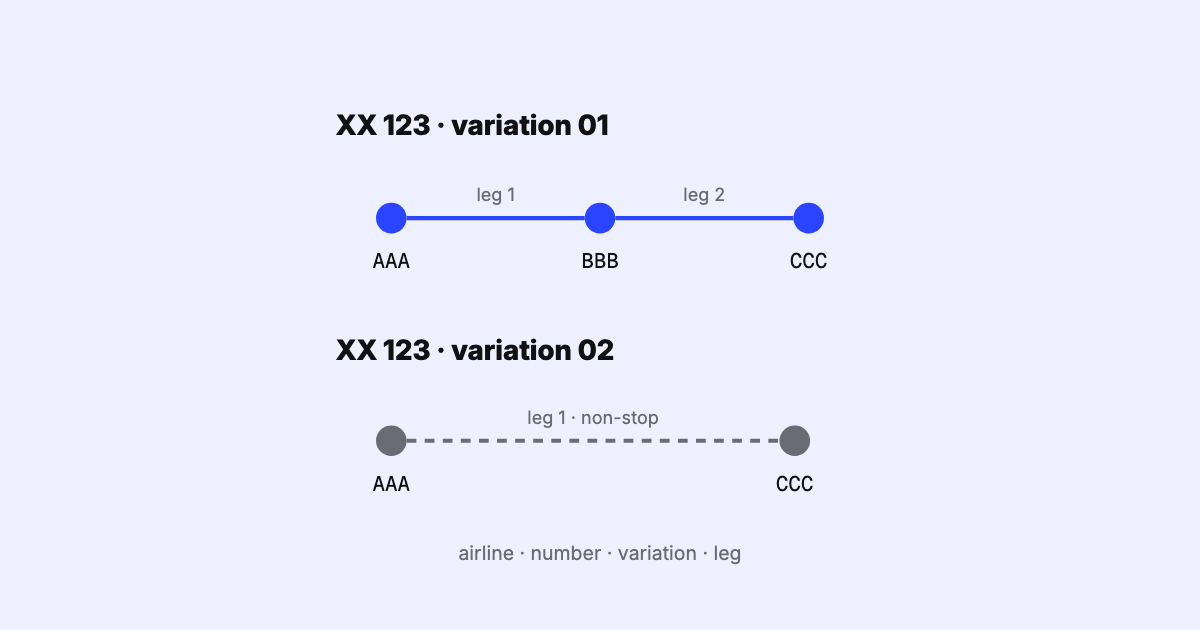
How SSIM names a flight leg: airline, flight number, itinerary variation and leg sequence. How variations are numbered, the overflow byte, and multi-leg dates.
Industry & Markets6 min read
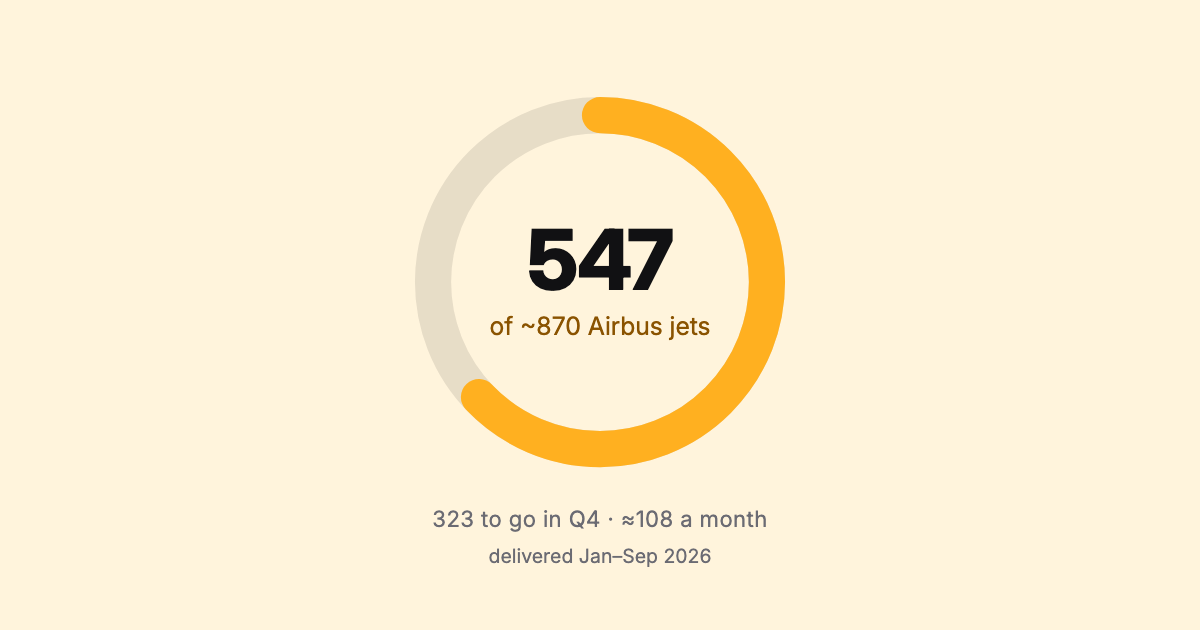
Q3 2026 aircraft deliveries: Airbus has 547 jets out the door and needs about 108 a month to hit 870; Boeing delivered 161. What it means for next summer.
SSIM & Schedules4 min read
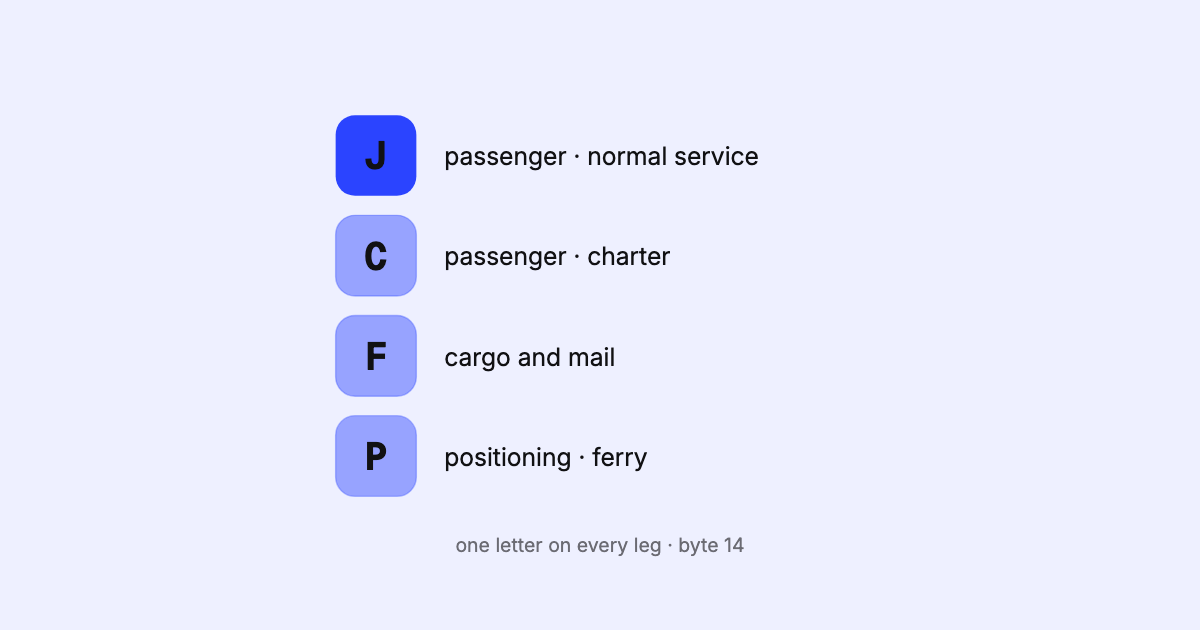
The one-letter service type on every SSIM flight leg says what kind of flight it is. What the codes mean, how to group them, and the traps when filtering.
Aviation6 min read
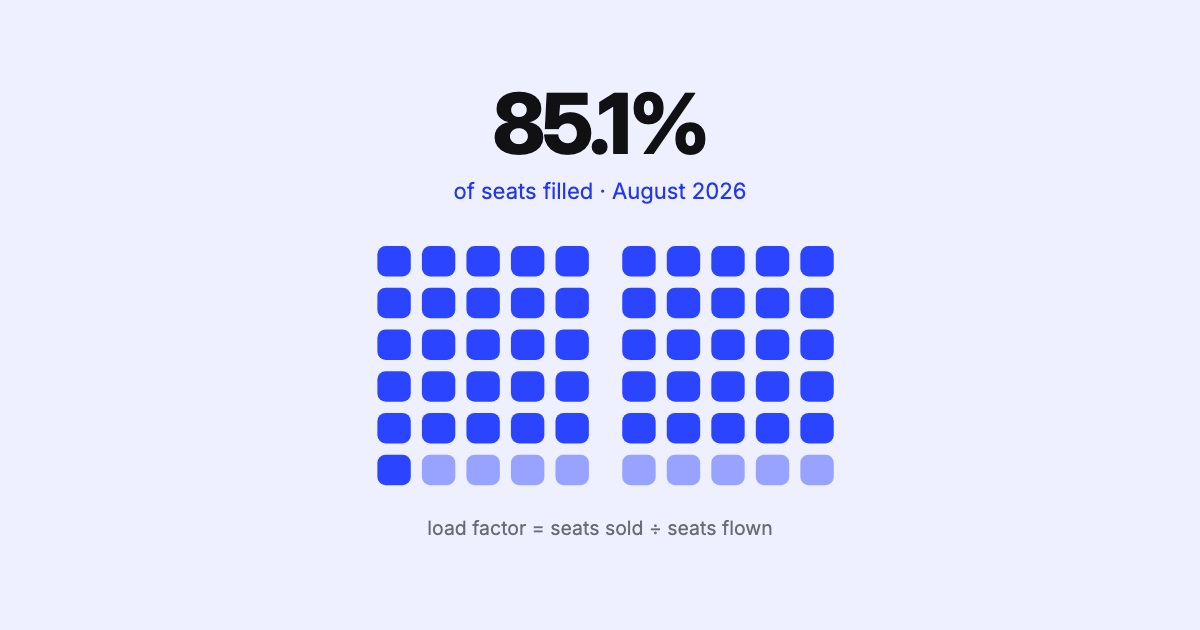
Airline load factor is the share of seats an airline fills. How it's calculated, why it hit a record 83.6% in 2025, and what a full plane doesn't tell you.
Industry & Markets6 min read
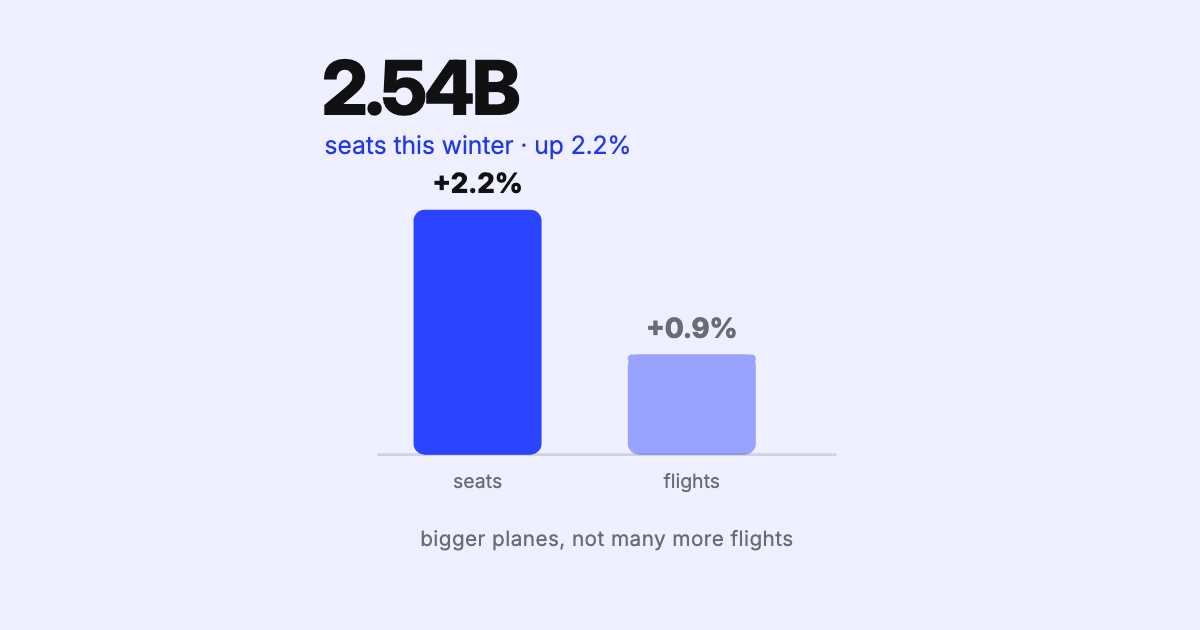
The winter 2026/27 schedule began on 25 October. Seats are up 2.2% worldwide on fewer extra flights: Italy, Brazil and Spain grow, Germany and Russia shrink.
Industry & Markets3 min read
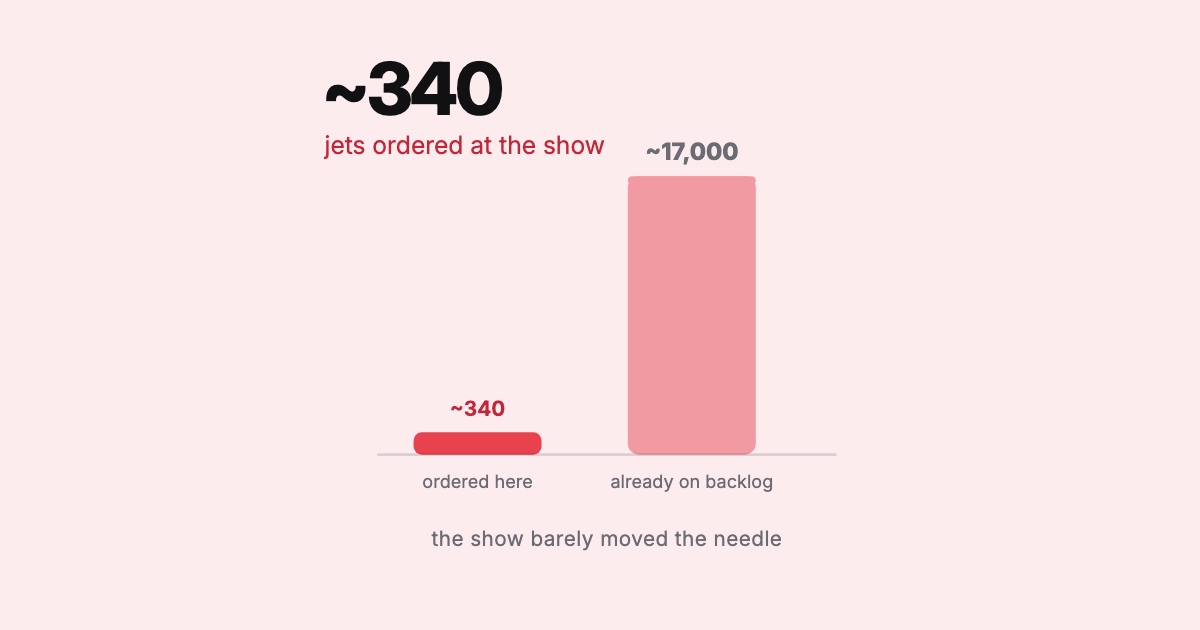
Once every two years the aviation world gathers to buy jets by the hundred. This year Boeing and Airbus mostly said no — not because demand is weak, but because they're sold out for years. The scarce thing at the airshow wasn't a customer. It was a delivery slot.
Industry & Markets5 min read
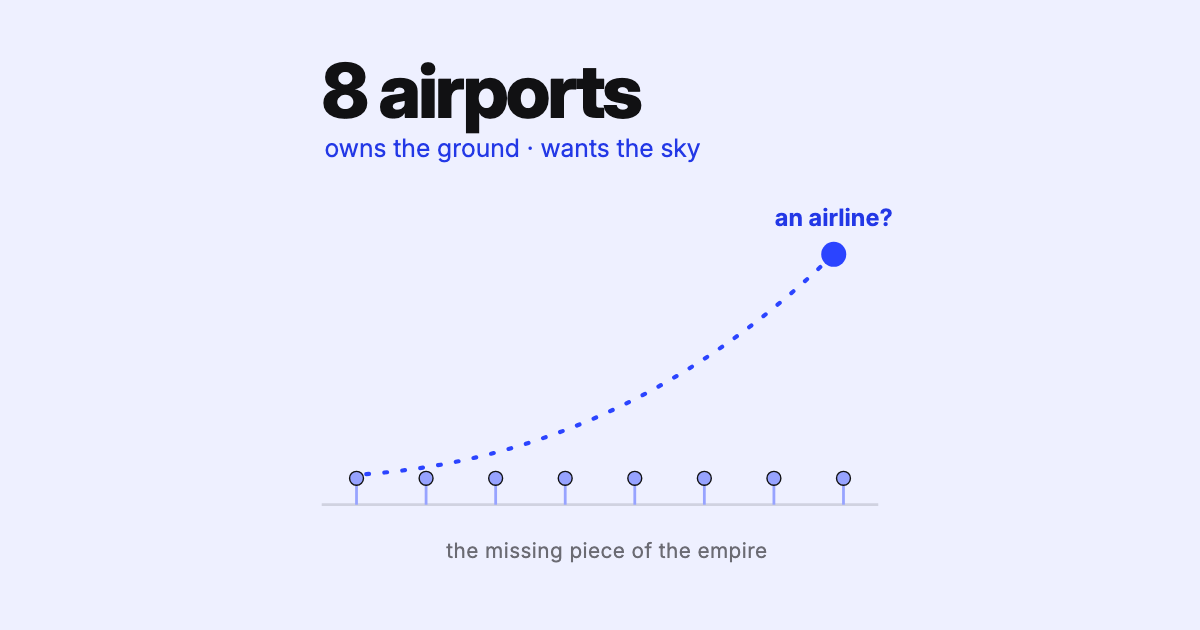
Adani runs eight of India's airports — and reportedly asked the government to scrap the one rule stopping it from owning an airline. Then it called the whole idea 'baseless.' Here's what's really going on, and why an airport empire might want a plane.
Industry & Markets4 min read
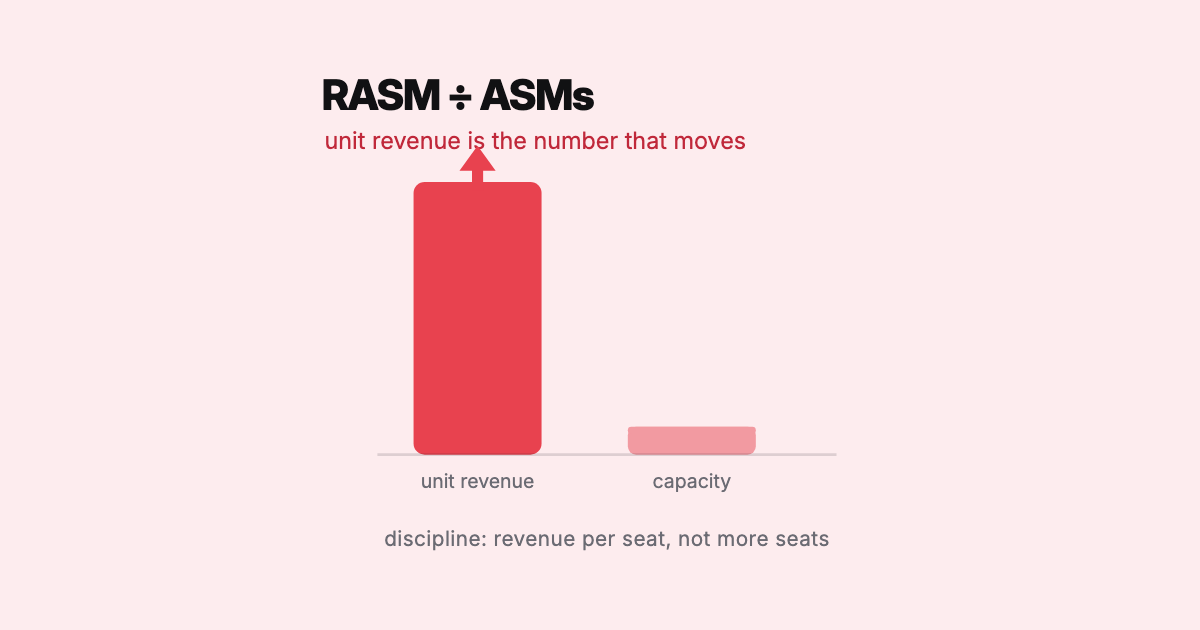
Airline stocks turn on unit revenue and unit cost — RASM and CASM per available seat mile. In 2026, carriers are posting double-digit RASM growth on ~1% more capacity. The denominator under every one of those metrics is the schedule.
Industry & Markets4 min read
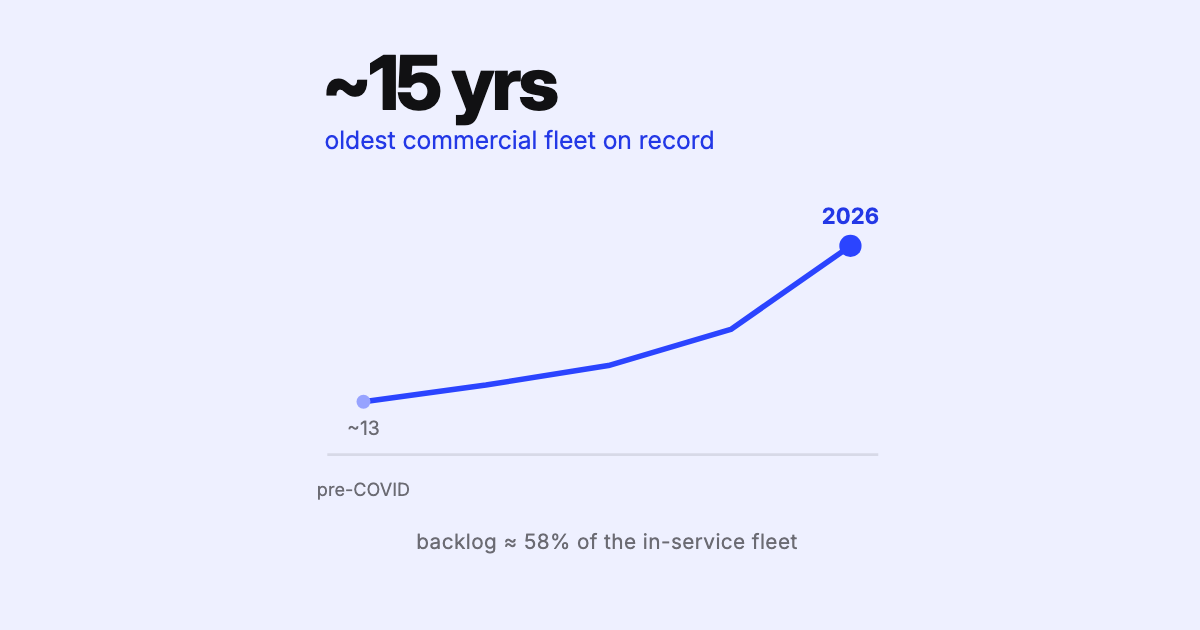
While Farnborough fills with orders for jets that arrive in the 2030s, the global fleet has quietly aged to a record ~15 years. Retirements are deferred, the installed base is where the money is, and the schedule is where an aging fleet is won or lost.
Industry & Markets5 min read
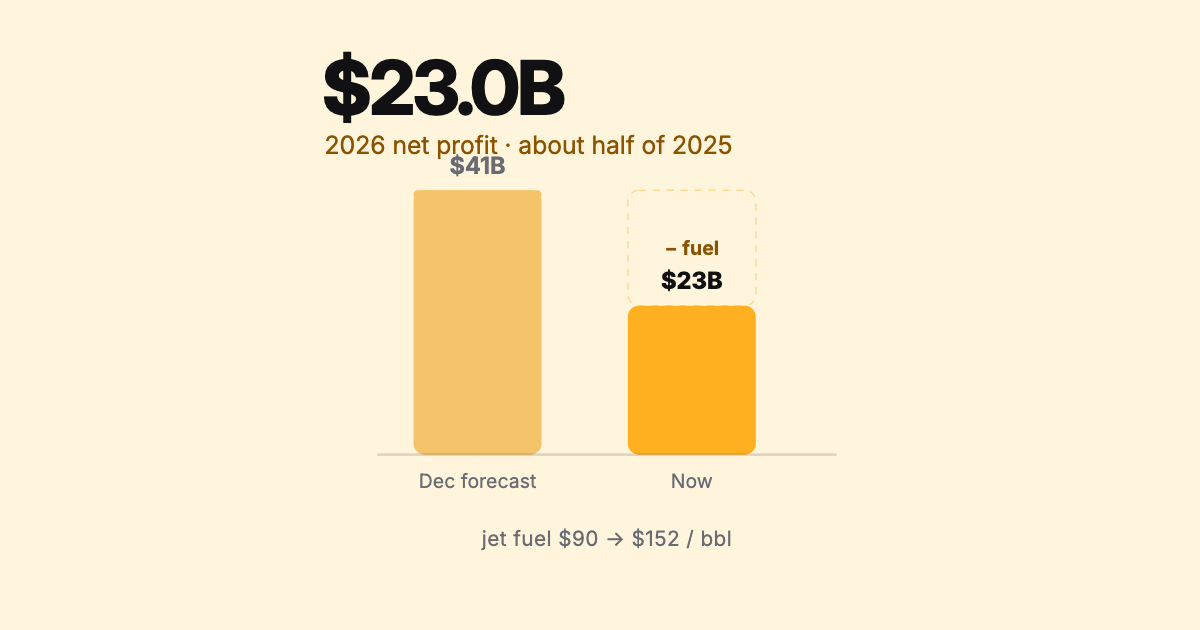
IATA now sees 2026 industry net profit at $23B — roughly half of last year — as jet fuel jumps from $90 to $152 a barrel. Demand is still strong and carriers are beating estimates. For investors, the gap between the two is the whole story.
Aviation3 min read
Two airlines, one World Cup quarter-final, and a wager settled with a 24-hour logo swap. The story behind aviation's most-shared marketing moment of 2026.
Aviation6 min read
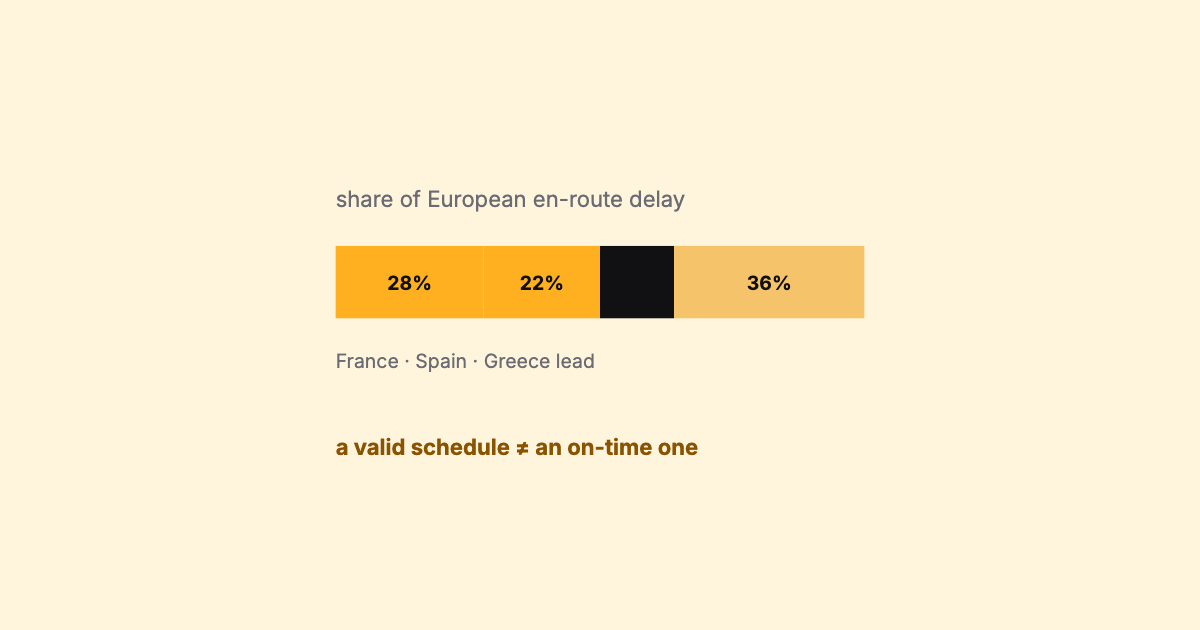
A schedule can be perfectly valid on paper and still not fly on time. Europe's 2026 summer — record traffic against airspace and staffing limits — is a reminder that operational feasibility lives outside the SSIM file.
Aviation3 min read
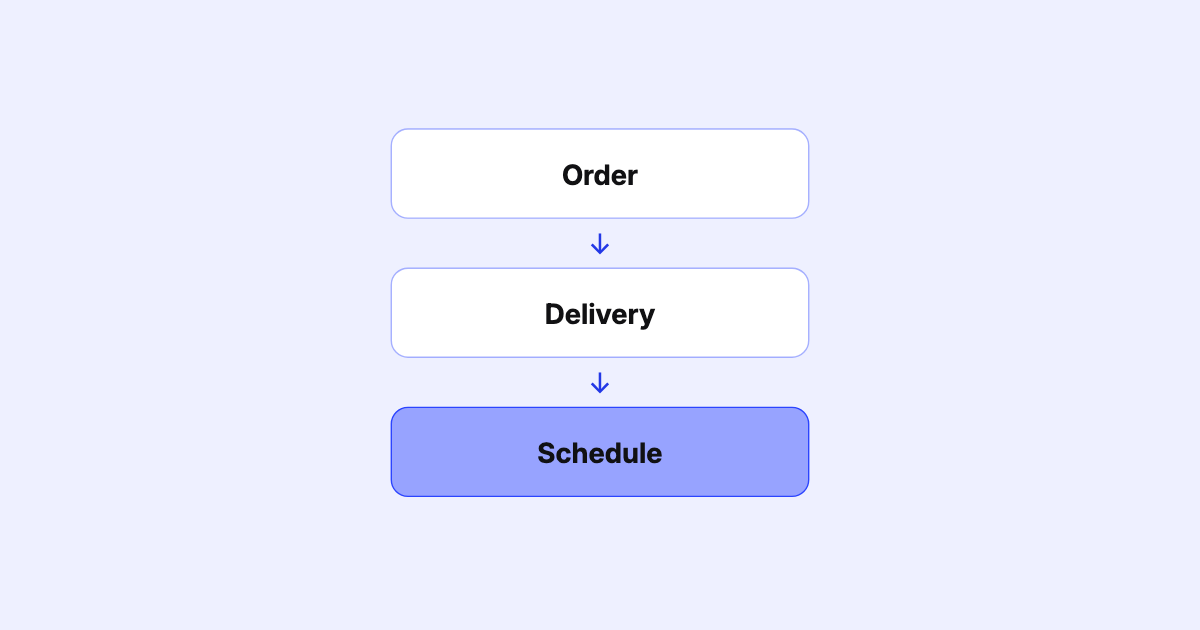
The Farnborough International Airshow (20–24 July 2026) will book billions in new aircraft orders. Those orders land on a backlog already stretching a decade — which means the real work happens later, in the schedule.
Aviation4 min read
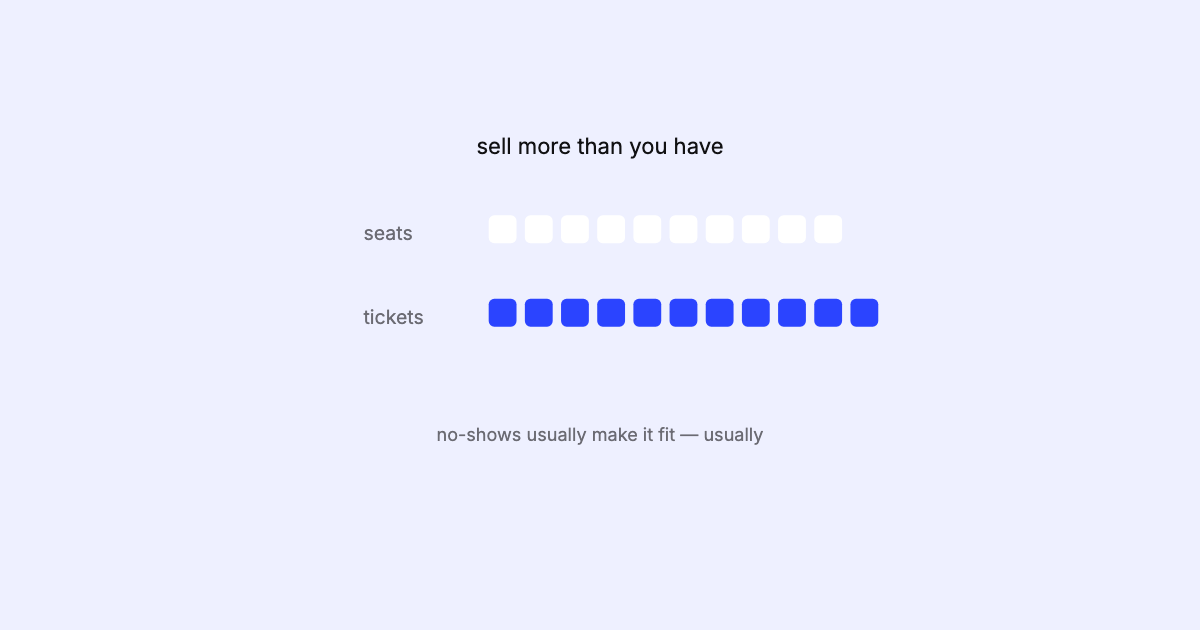
Selling more seats than a plane holds sounds reckless. It's actually careful math — plus a set of passenger-protection rules worth knowing before you fly.
Industry & Markets2 min read
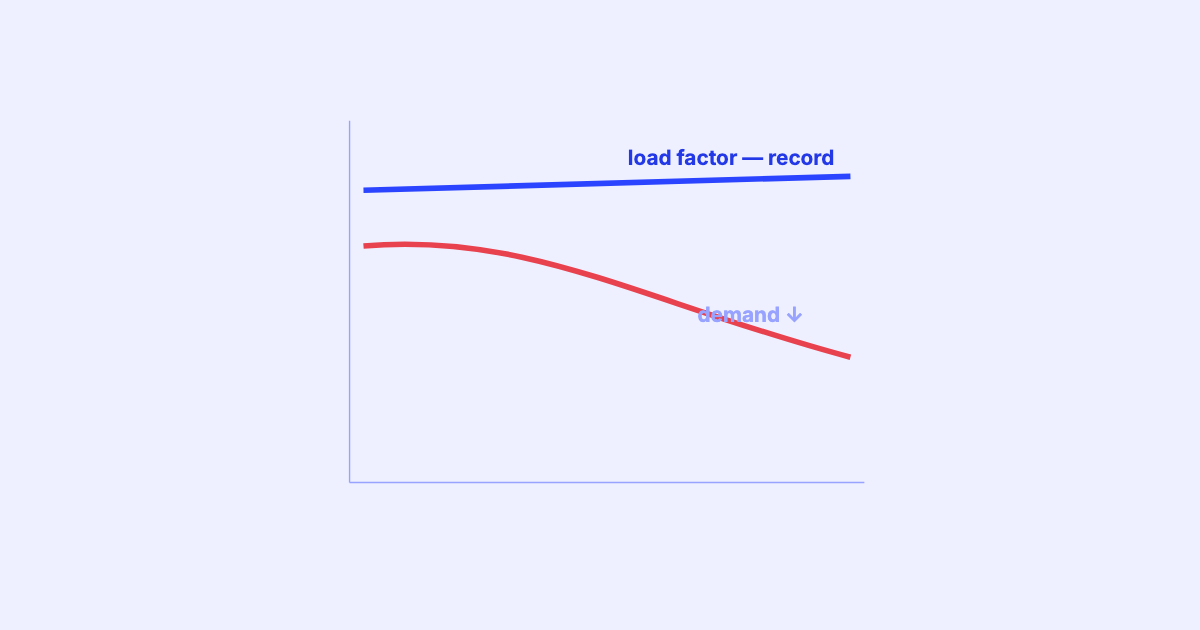
In May 2026 global air travel demand actually fell year-on-year — yet load factors hit a record for the month. That apparent contradiction says a lot about how tight, and how regional, the 2026 network has become.
Industry & Markets4 min read
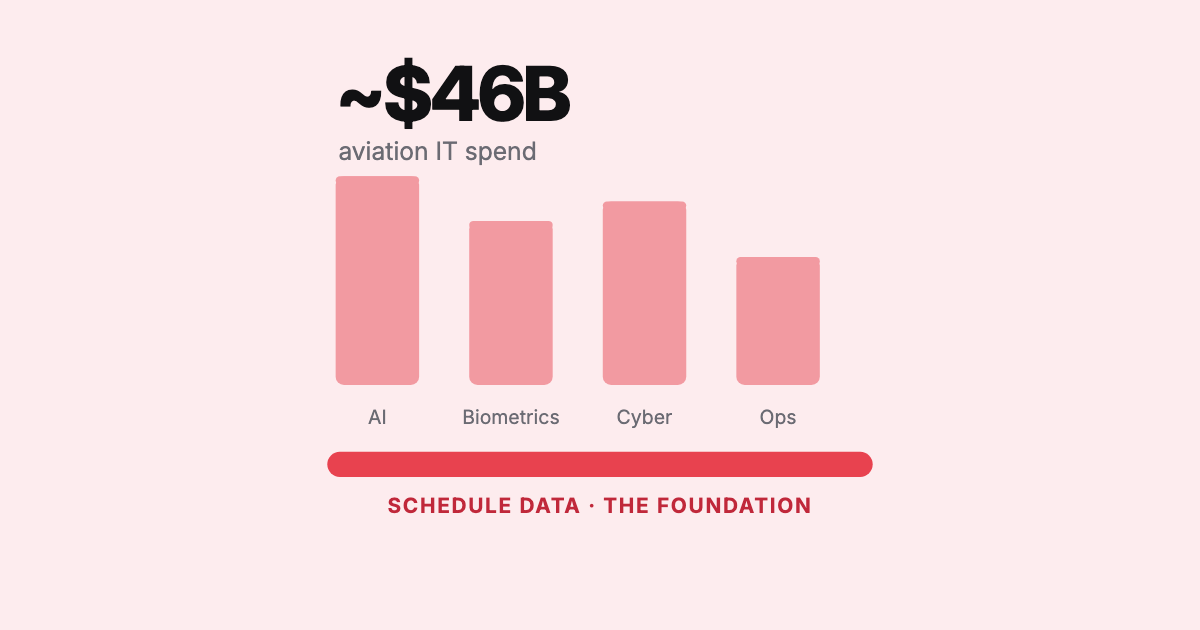
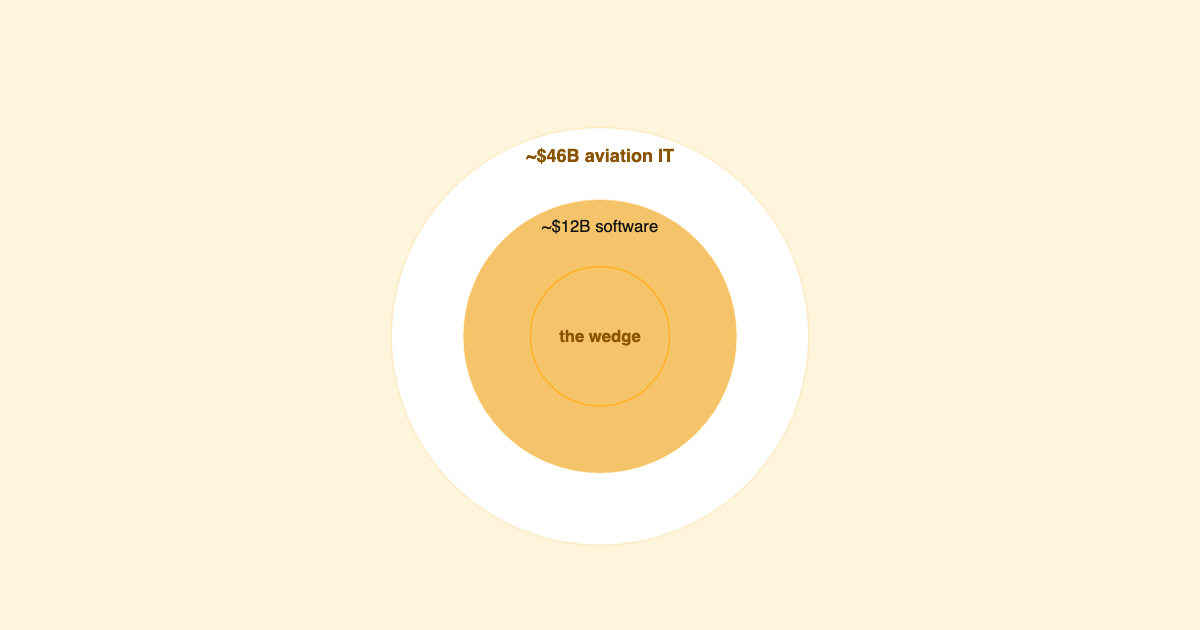
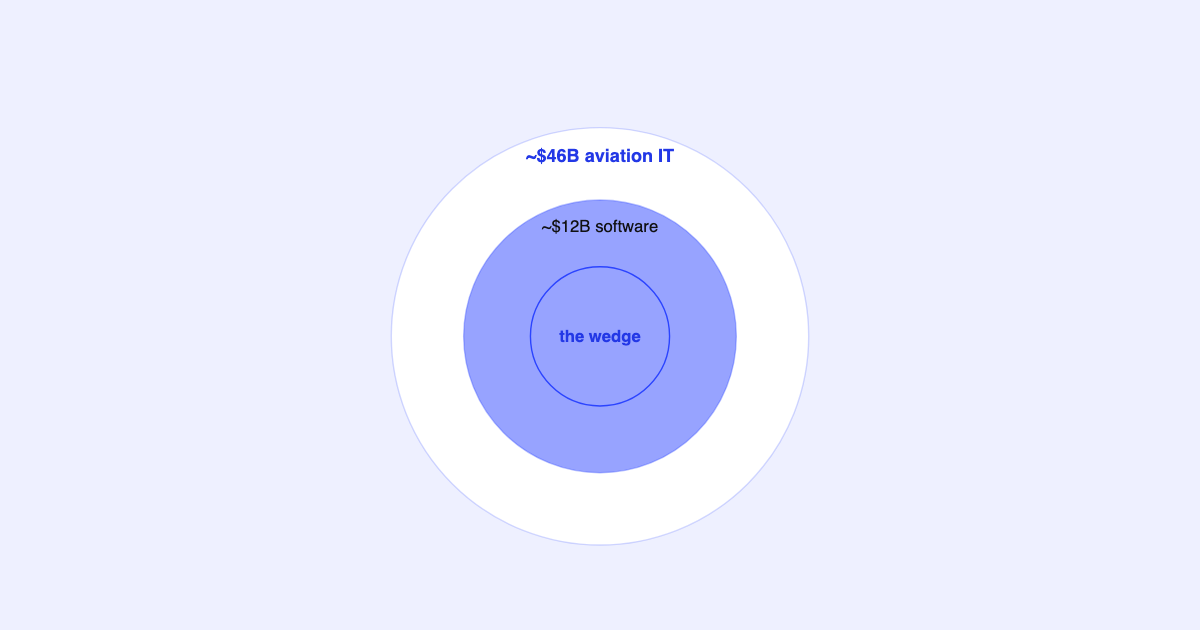
Airlines and airports are set to spend around $46B on IT, with AI everywhere. Almost none of it targets the schedule-data layer every operation runs on. For investors, that gap is the interesting part.
Aviation5 min read
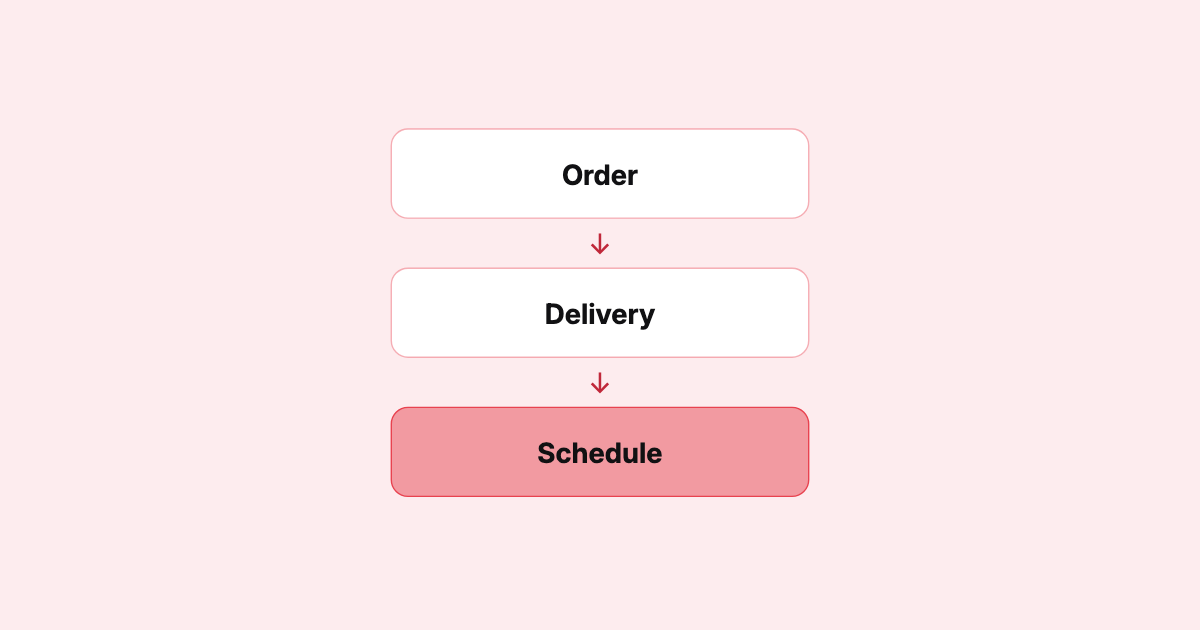
Every delivered aircraft is a schedule that has to grow to use it — new frequencies, new routes, a fresh rotation for each tail. As output rates climb, the schedule gets rewritten more often, not less.
Aviation3 min read
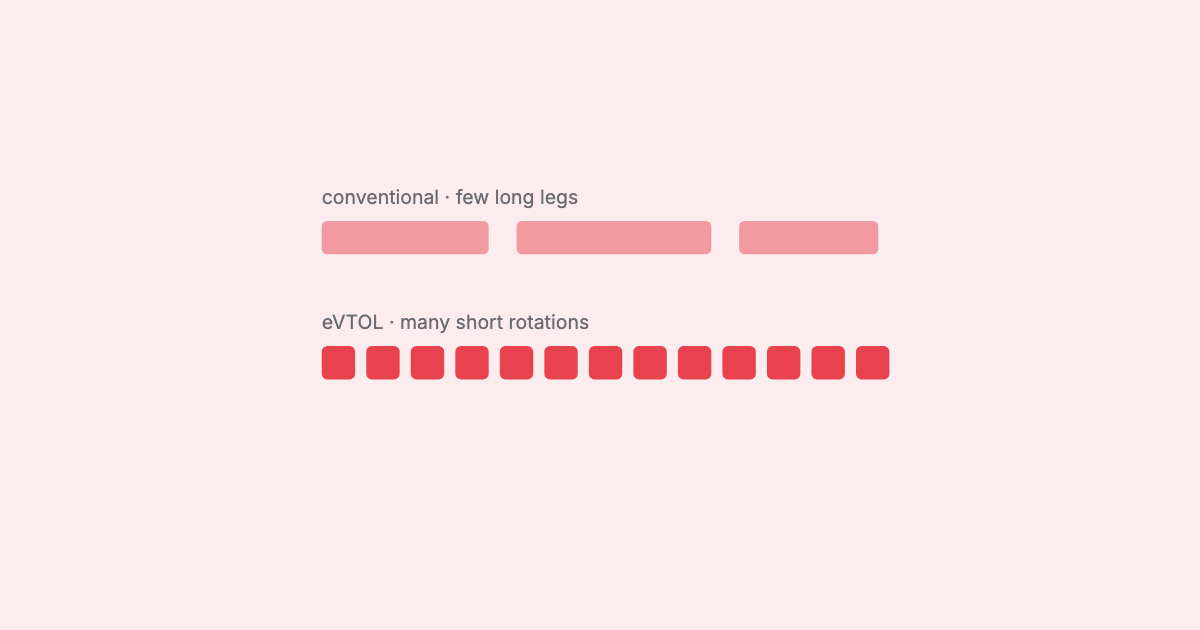
eVTOL aircraft are moving from concept to the airshow flight line. When electric air taxis start operating at scale, they'll bring a scheduling problem that looks familiar — just faster, denser, and newer.
Aviation3 min read
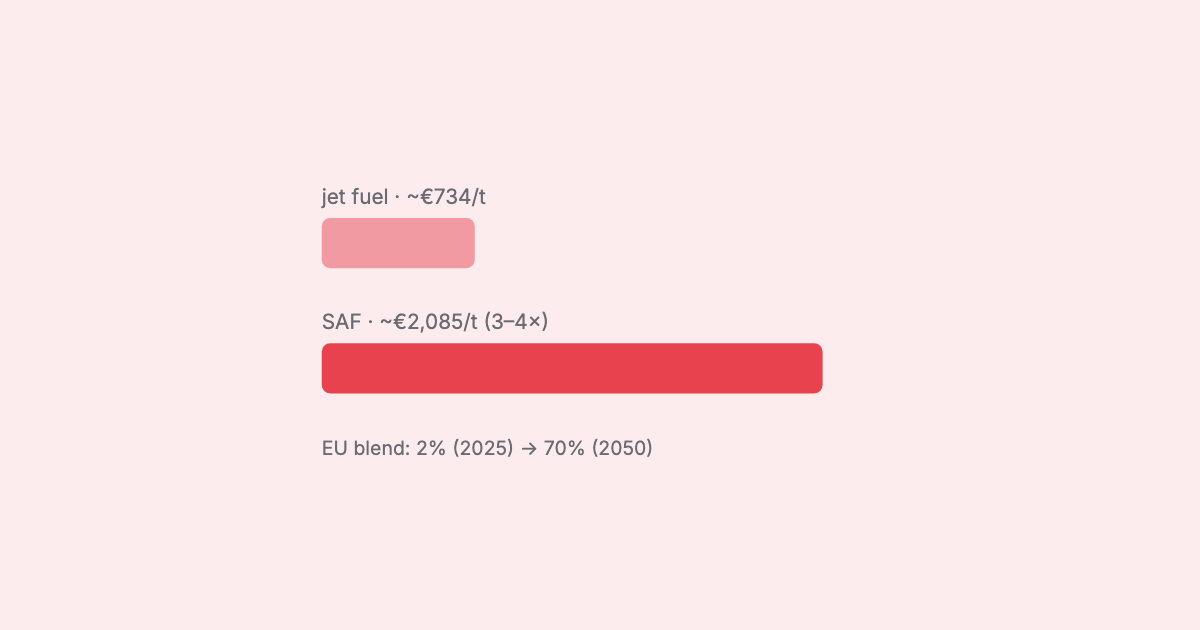
Europe's SAF mandate is ramping, sustainable fuel still costs three to four times conventional jet fuel, and supply sits at a handful of airports. That combination is quietly reshaping network economics — and adding another airport-level dataset to the schedule.
Aviation5 min read
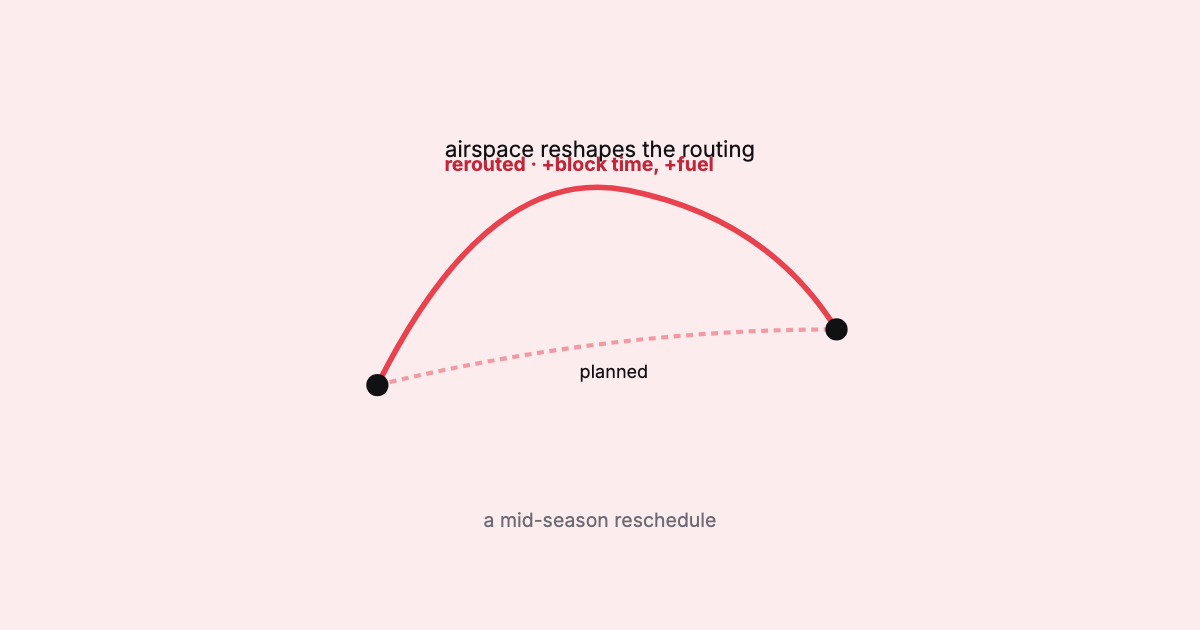
Geopolitics doesn't only move fares — it reroutes flights, stretches block times, and forces schedules to be reissued mid-season. Here's the schedule mechanics of a reroute, and how to read the reissued file.
Industry & Markets3 min read
A foundational layer, a durable standard, a recurring need — and almost everyone still building it in-house. Here's the investor's-eye view of schedule-data tooling: the buyers, the wedge, the moats, and the honest risks.
Space4 min read
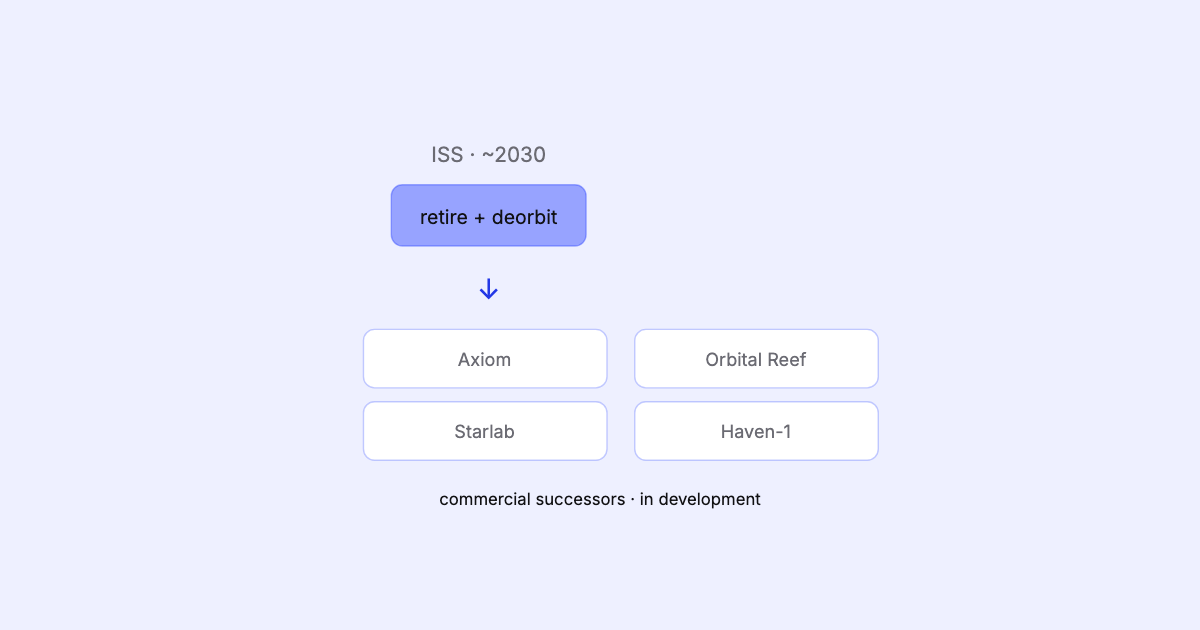
NASA plans to retire the space station around 2030 and steer it into the ocean. Here is what is lined up to replace it.
Aviation2 min read
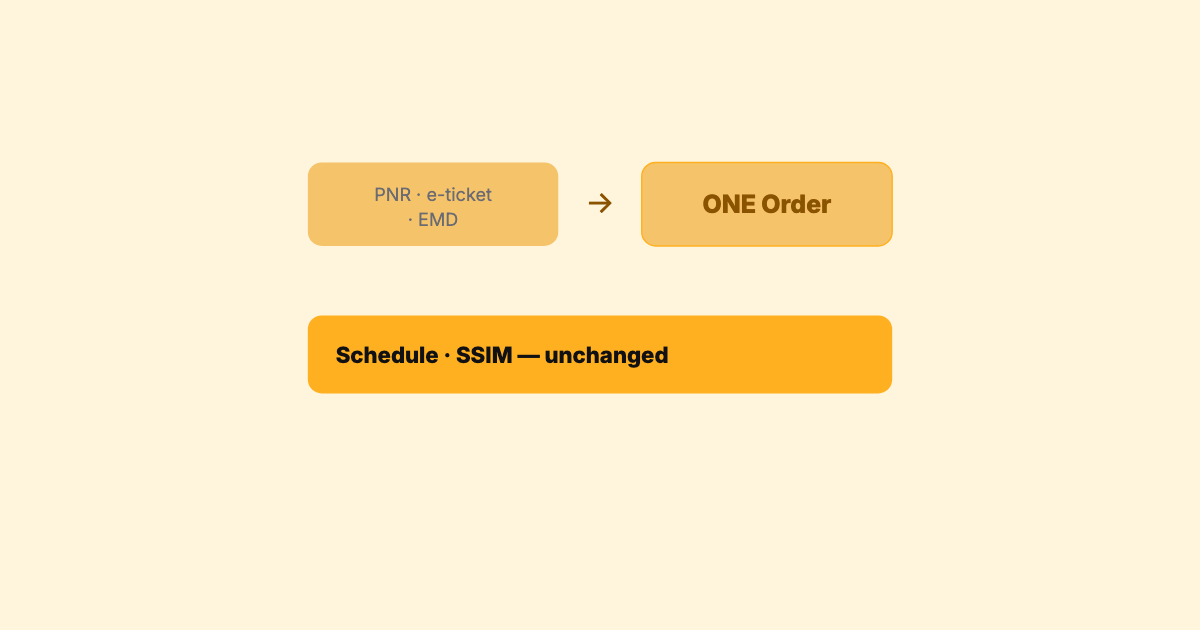
The industry is slowly replacing the PNR/e-ticket/EMD trio with NDC offers and ONE Order. It's a real modernization of how flights are sold — but it doesn't change what everything is sold on top of: the schedule.
Industry & Markets4 min read
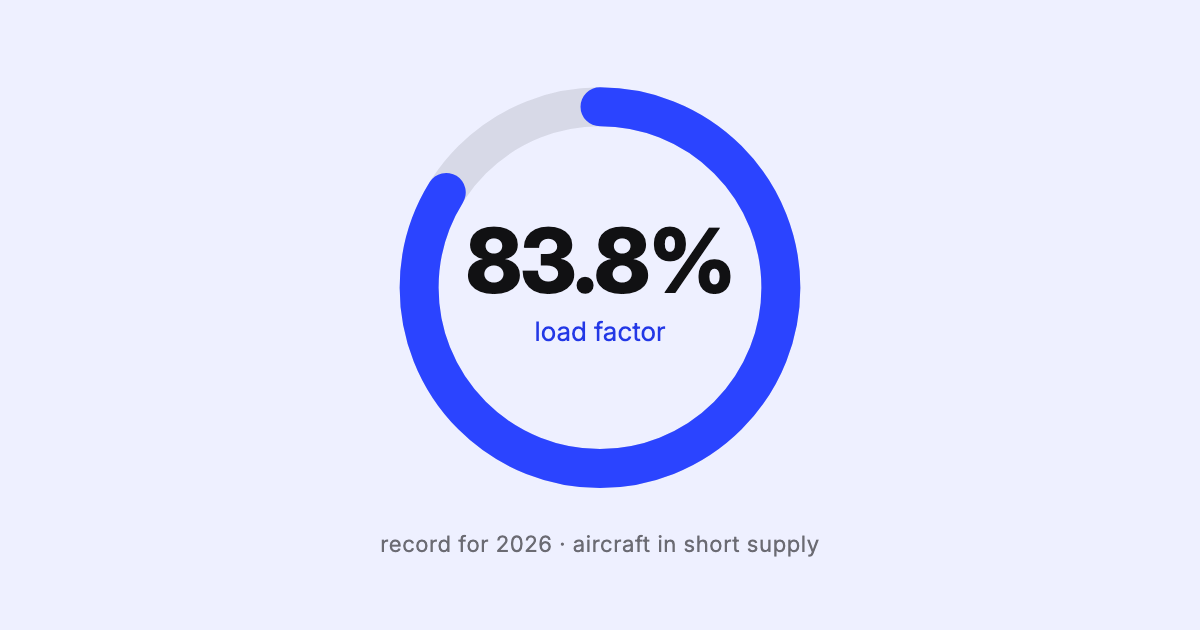
Airlines are flying at record load factors on a ~3.9% net margin while new aircraft stay scarce. When every seat counts this much, the schedule is where efficiency is won or lost.
Industry & Markets2 min read
Capacity discipline, a decade-long fleet backlog, a permanent fuel premium, and a slow distribution overhaul are all landing at once. Each, independently, raises the value of getting schedule data right.
Aviation6 min read
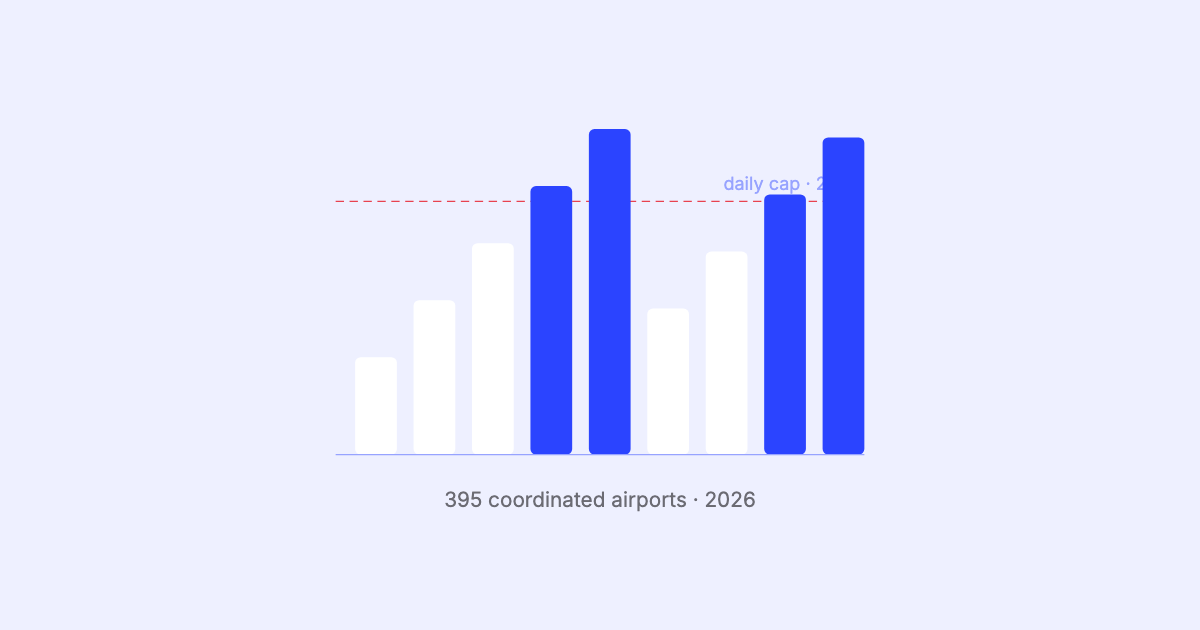
Nearly 400 airports worldwide restrict who can operate and when in 2026, and around 43% of global departures leave a slot-coordinated field. Here's the 2026 landscape — and why a published schedule and its slot holdings have to agree.
SSIM & Schedules2 min read
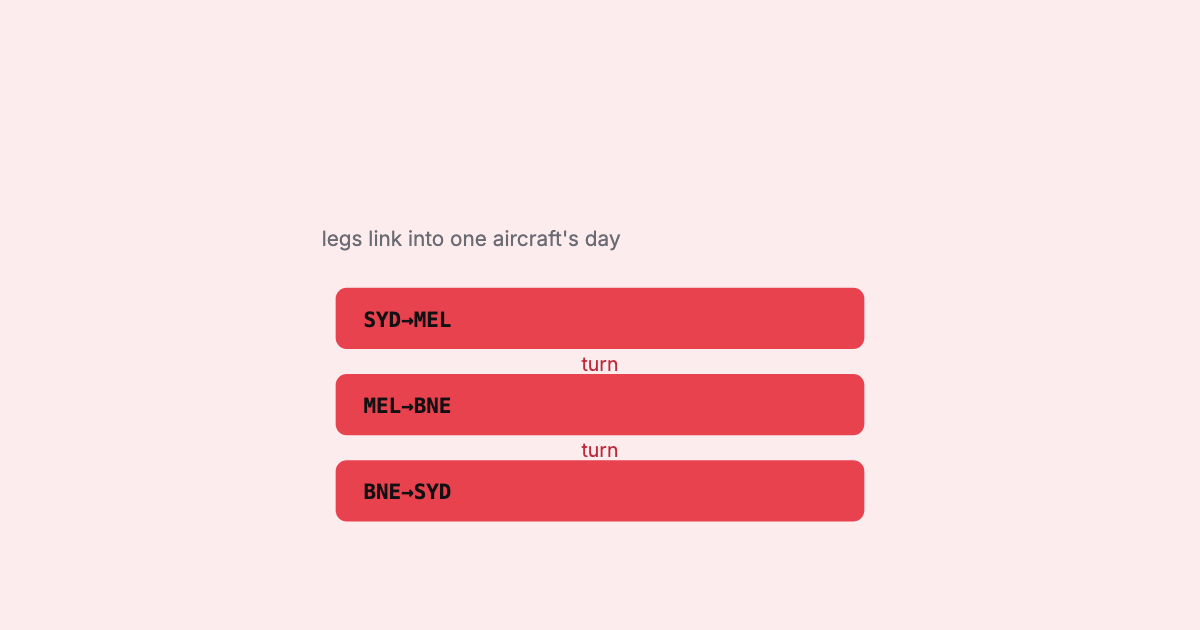
A schedule is a list of flights; an operation is a set of aircraft each flying a connected sequence. Turning one into the other — building rotations and checking they're physically possible — is where the schedule meets reality.
Industry & Markets2 min read
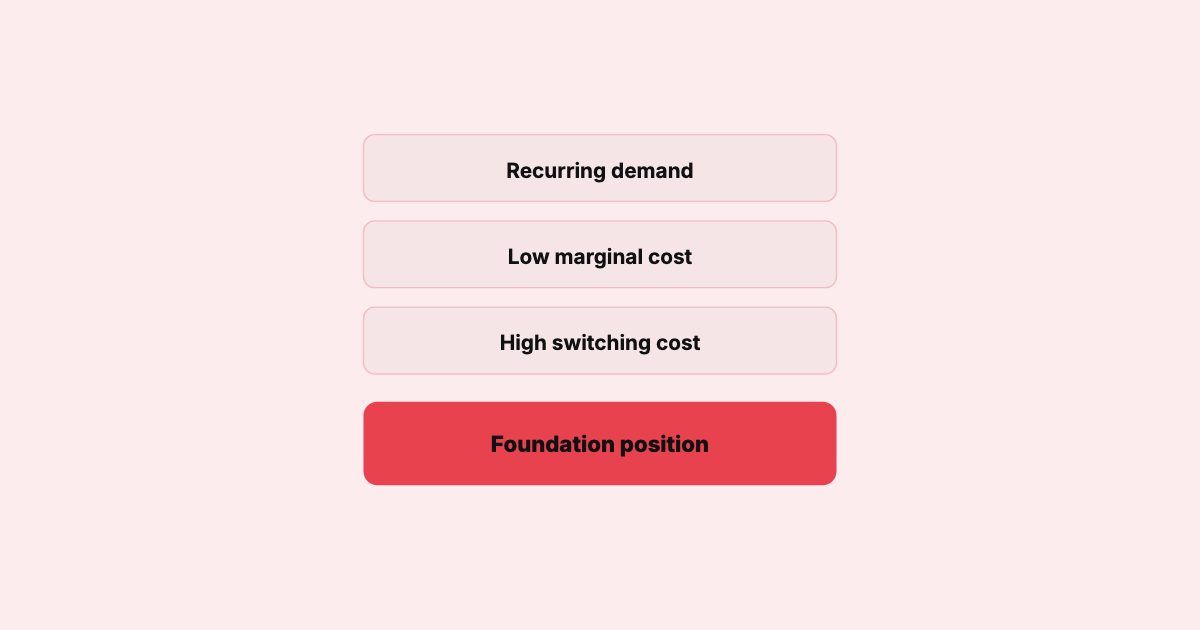
Recurring need, near-zero marginal cost, high switching cost, and a position under the whole stack. The unit economics of a foundational schedule-data tool are quietly attractive — here's the shape of them.
Aviation5 min read
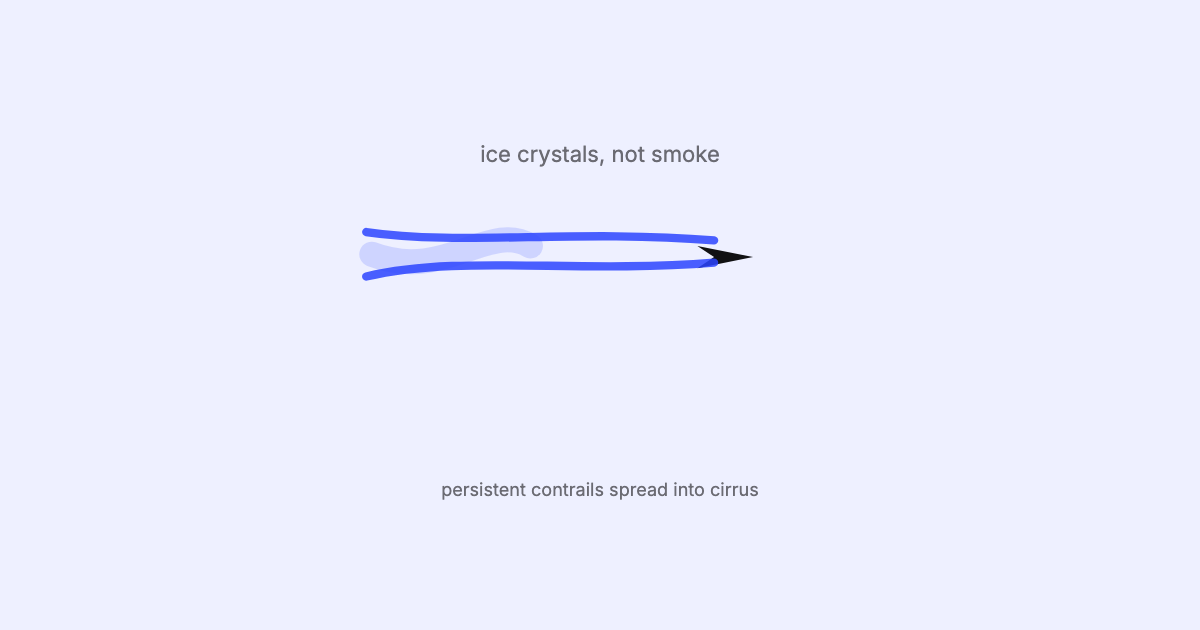
Those white streaks behind jets are more than vapour — persistent contrails may cause as much warming as all of aviation's CO2. Here's the science.
Aviation7 min read
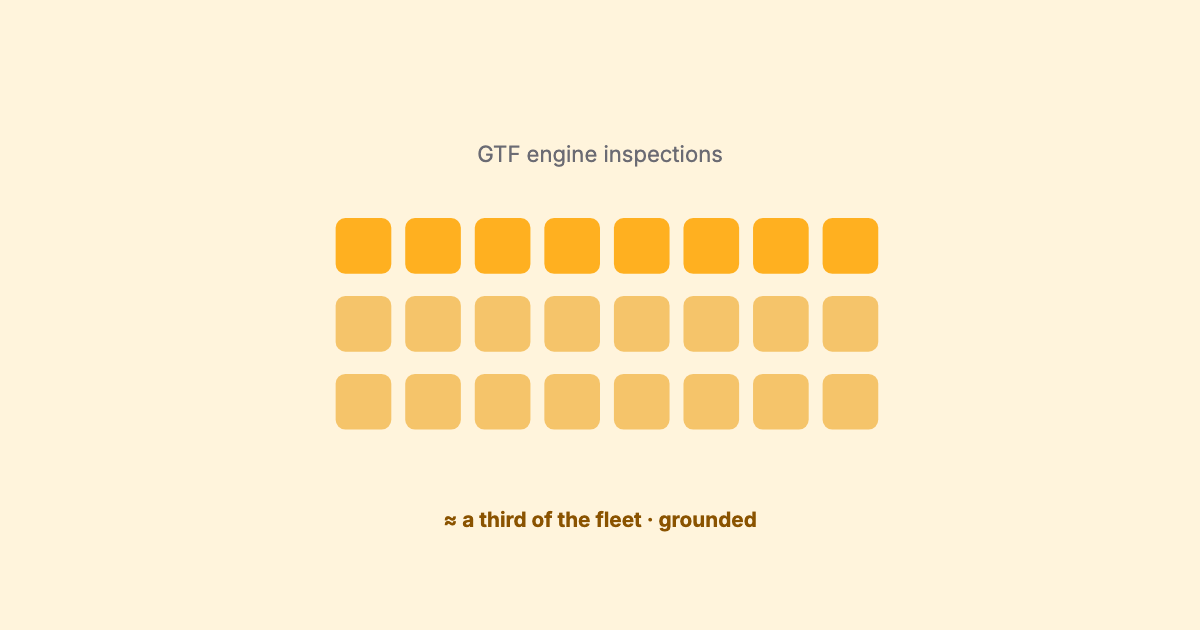
A powder-metal defect in Pratt & Whitney's geared turbofan has grounded hundreds of A320neo-family jets. When aircraft disappear, the schedule is what absorbs the shock — and every rebuild is a fresh SSIM file to read and trust.
Industry & Markets3 min read
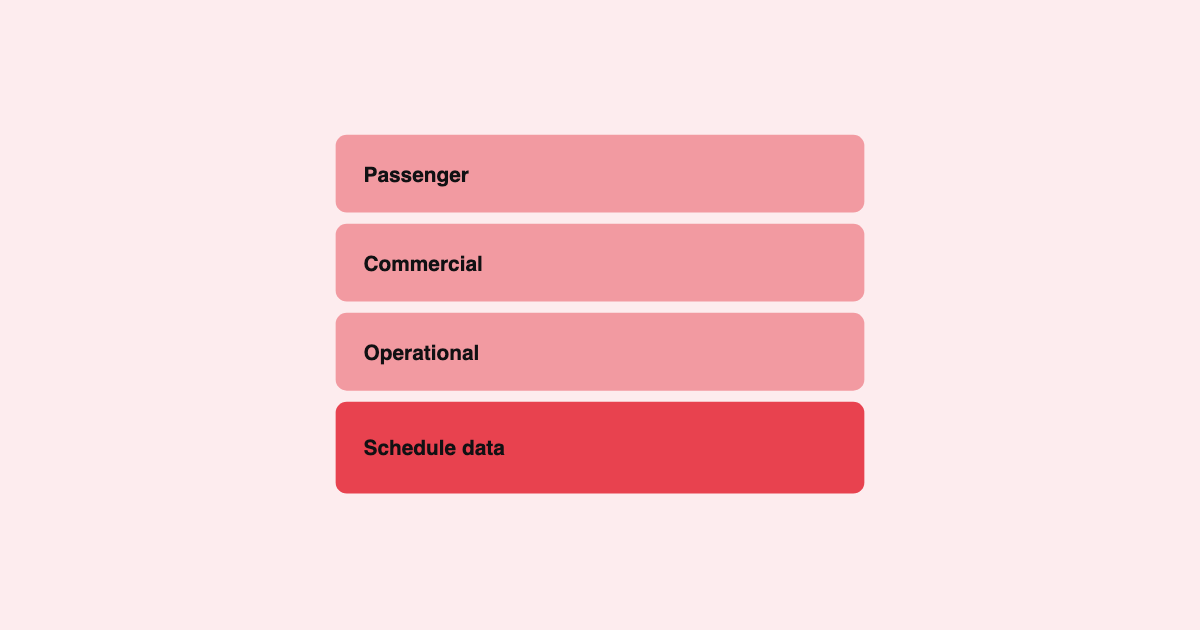
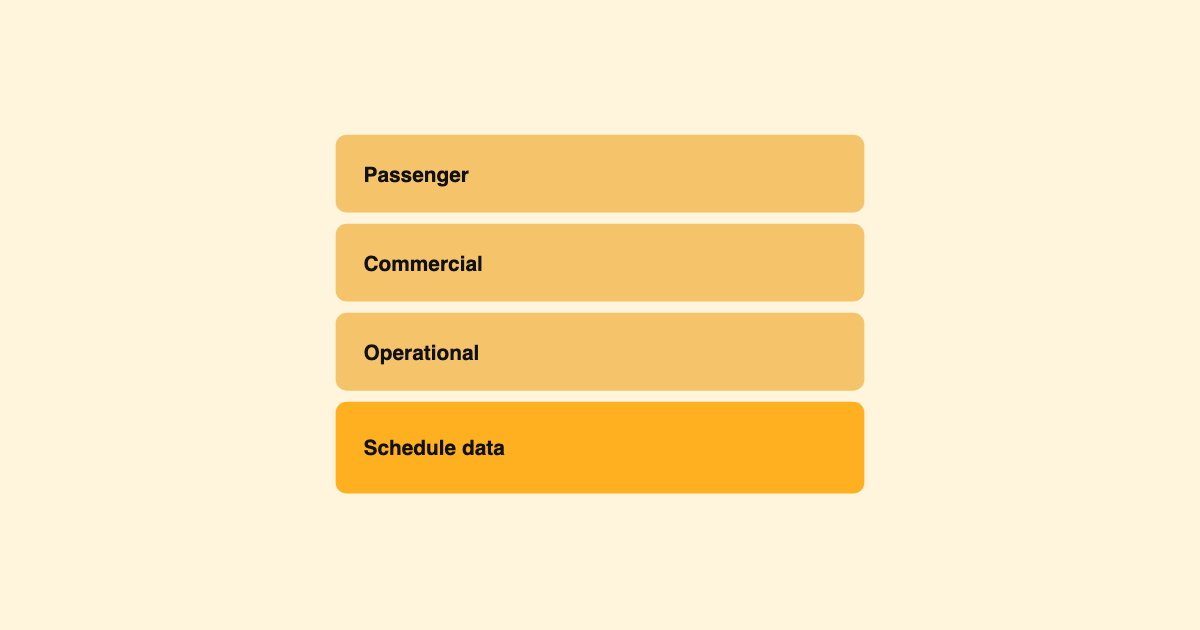
Airline technology is a layered stack, from passenger apps at the top to the data that everything runs on at the bottom. Schedule data is that bottom layer — and it's the least-invested-in part of the whole thing.
Space4 min read
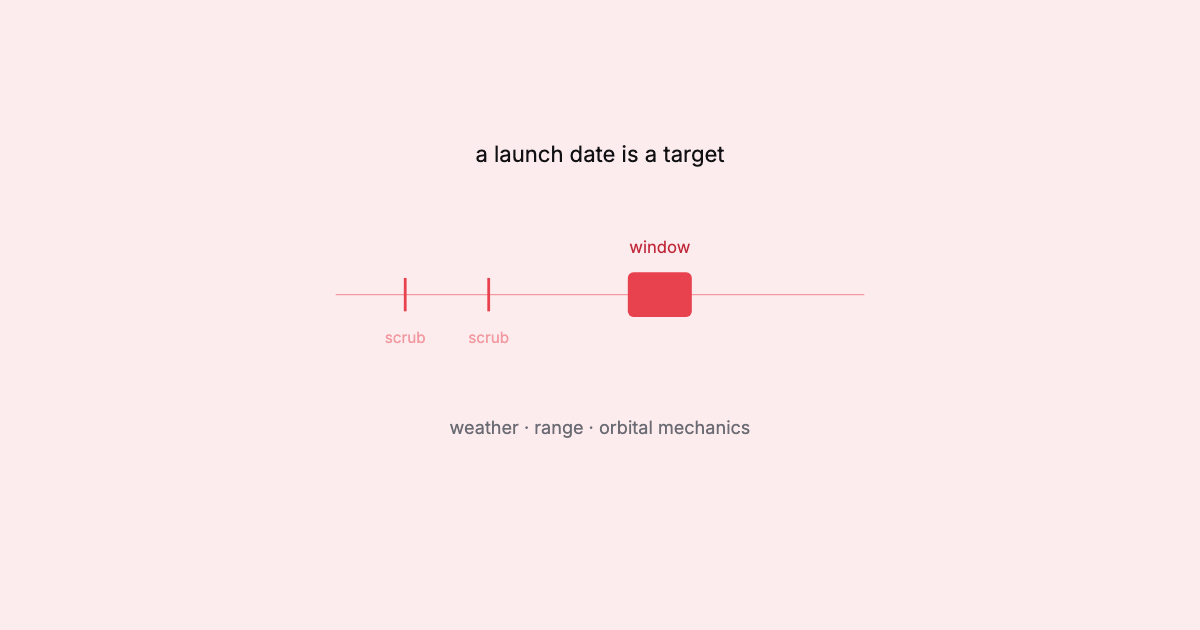
A launch date is really a target. Here is how launch windows, range congestion, and scrubs shape when a rocket actually flies.
SSIM & Schedules2 min read
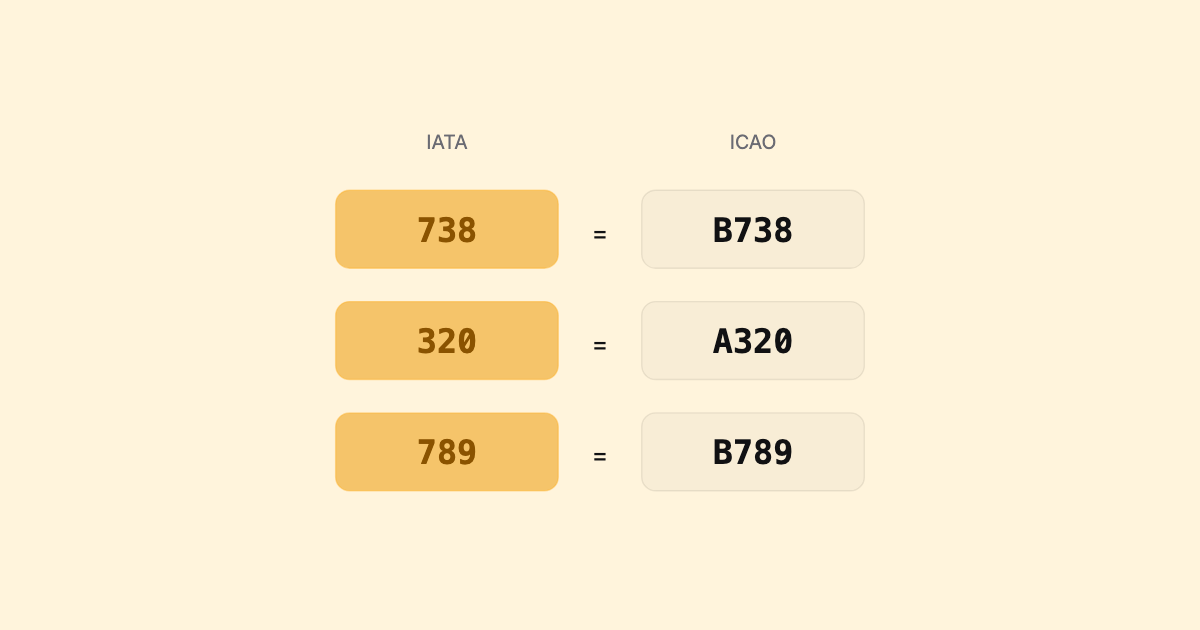
The 'equipment' field in a schedule is a short code for an aircraft type — and there are two competing code systems for it. Knowing which is which, and mapping between them, is a small skill that prevents big mistakes.
Aviation4 min read
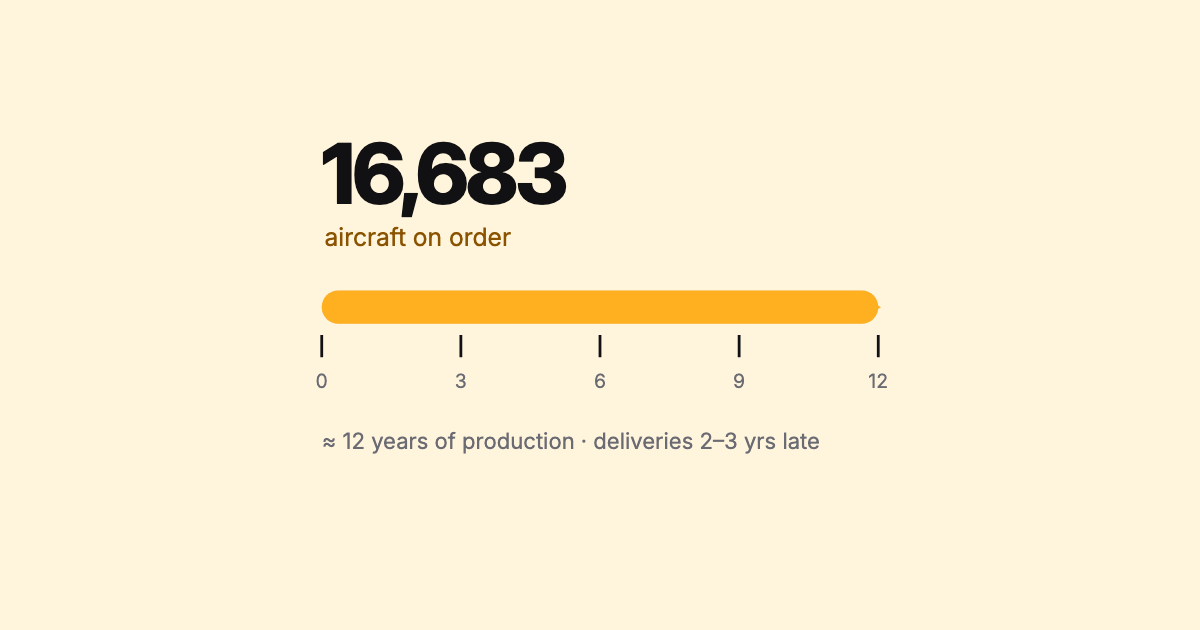
Order books stretch past 16,000 aircraft and deliveries run years late. When the fleet plan can't be trusted, the schedule becomes a moving target — and schedule agility becomes a competitive asset.
Data & Engineering5 min read
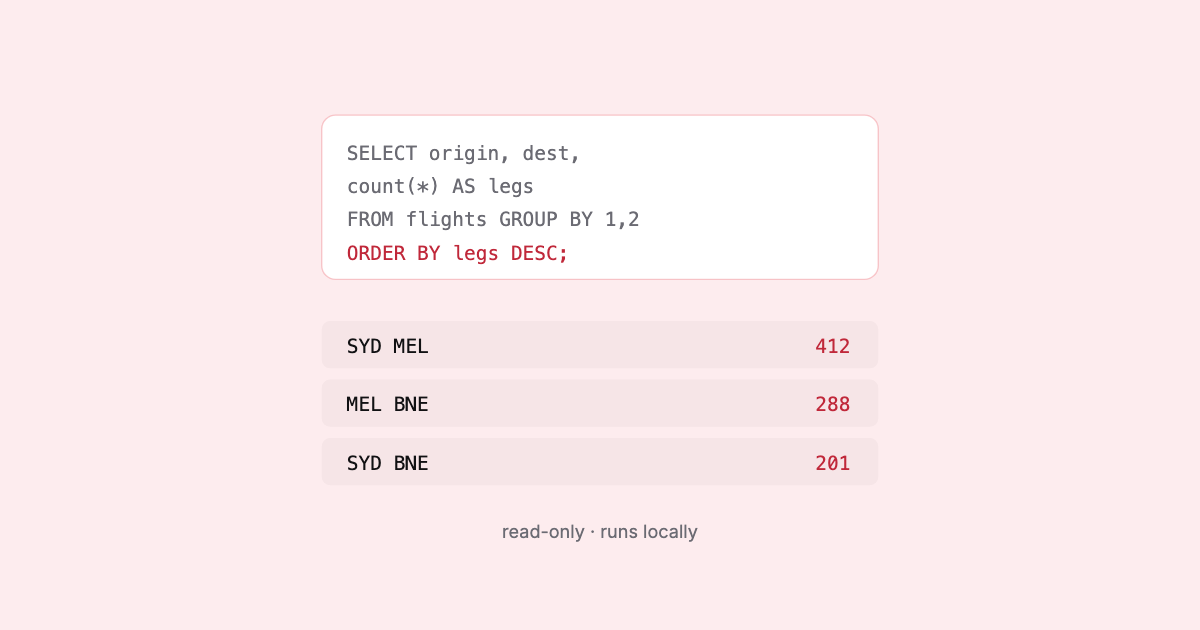
Sometimes the fastest way to answer a schedule question is to write the query yourself. Here's what it means to treat a parsed SSIM schedule as read-only tables you can ask SQL against — locally, with your data staying on your machine.
Industry & Markets2 min read
In a foundational data tool, the defensibility isn't the interface — it's the domain encoded into the data layer, the trust that comes from determinism, and the gravity of being the thing everything else is built on.
Data & Engineering2 min read
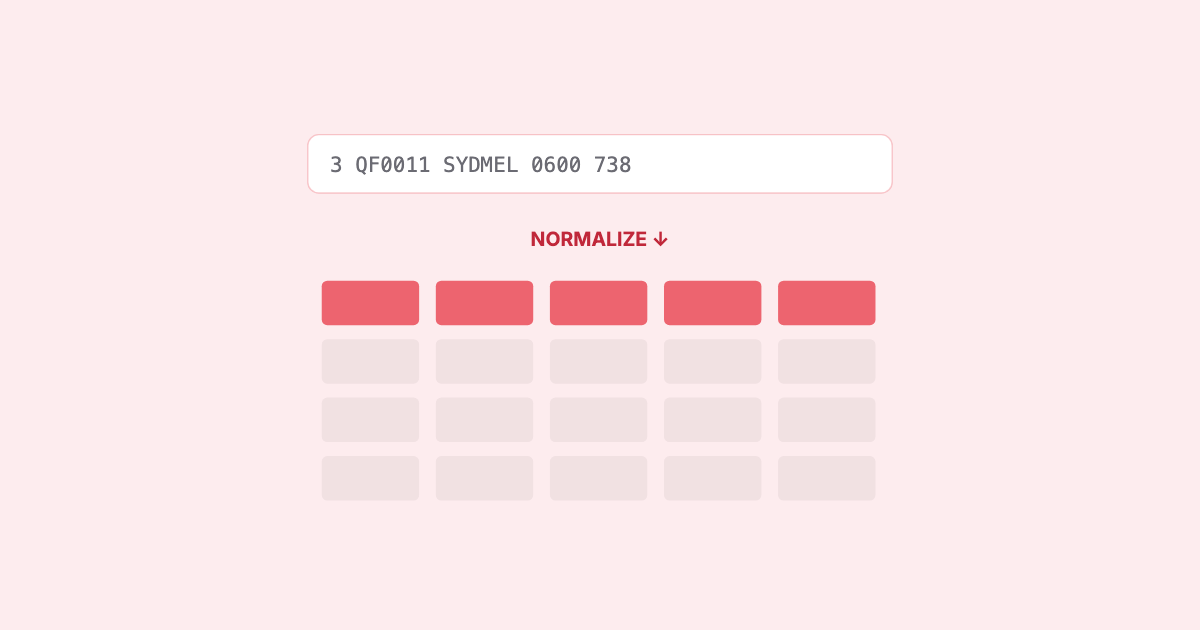
A fixed-width schedule file and an analytics warehouse want very different shapes. Getting from one to the other — typed, normalized, partitioned, columnar — is the unglamorous work that makes schedule data queryable at scale.

SSIM & Schedules5 min read
A carrier's network philosophy is written into its schedule — in the banks at its airports, the degree of its stations, and the shape of its route graph. Here's how to read it.

Aviation4 min read
A short hop between a South Korean island and Seoul carries 14.4 million seats a year. Inside OAG's 2025 ranking of the world's densest air routes.
Data & Engineering3 min read
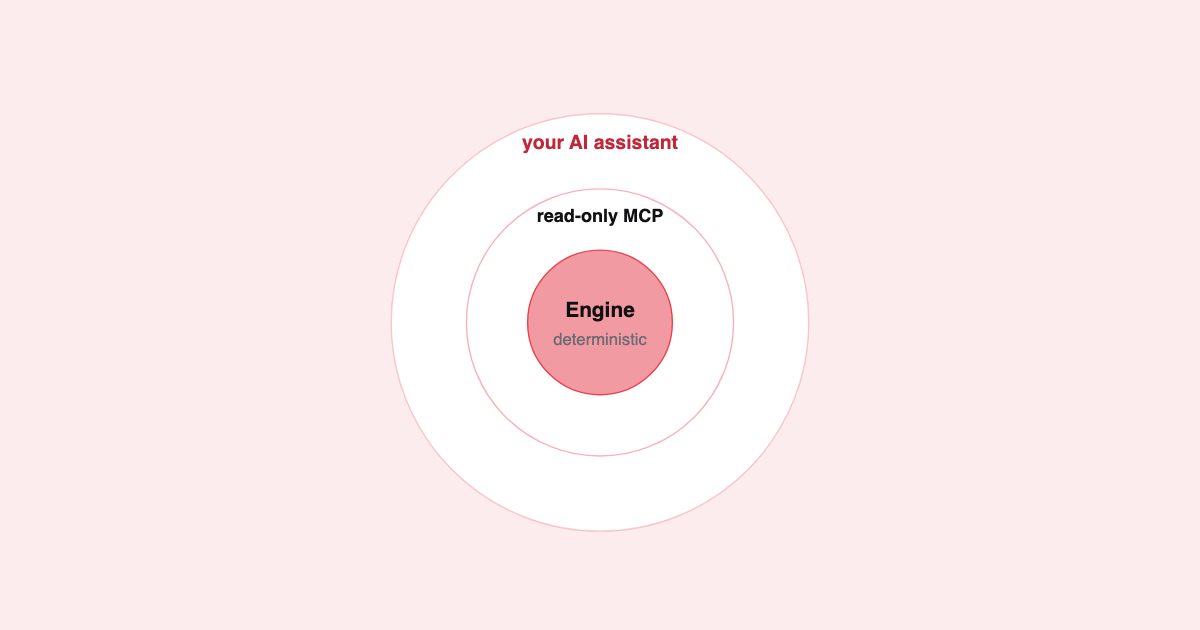
Almost every airline is investing in AI — but you don't want a model guessing your schedule numbers. The right architecture puts a deterministic engine at the core and AI on the outside, via an open standard called MCP.
Industry & Markets2 min read
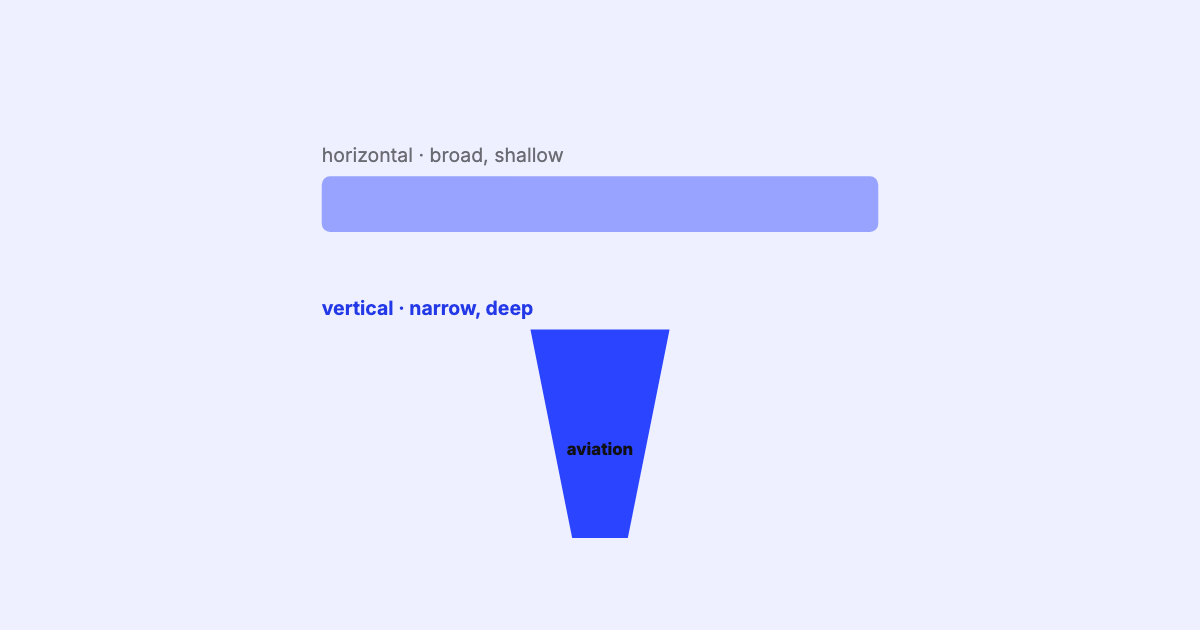
Horizontal software is a knife fight. The durable value increasingly sits in vertical SaaS — deep, domain-specific tools for industries with real complexity. Aviation, and its schedule-data layer in particular, is a textbook example.
SSIM & Schedules6 min read
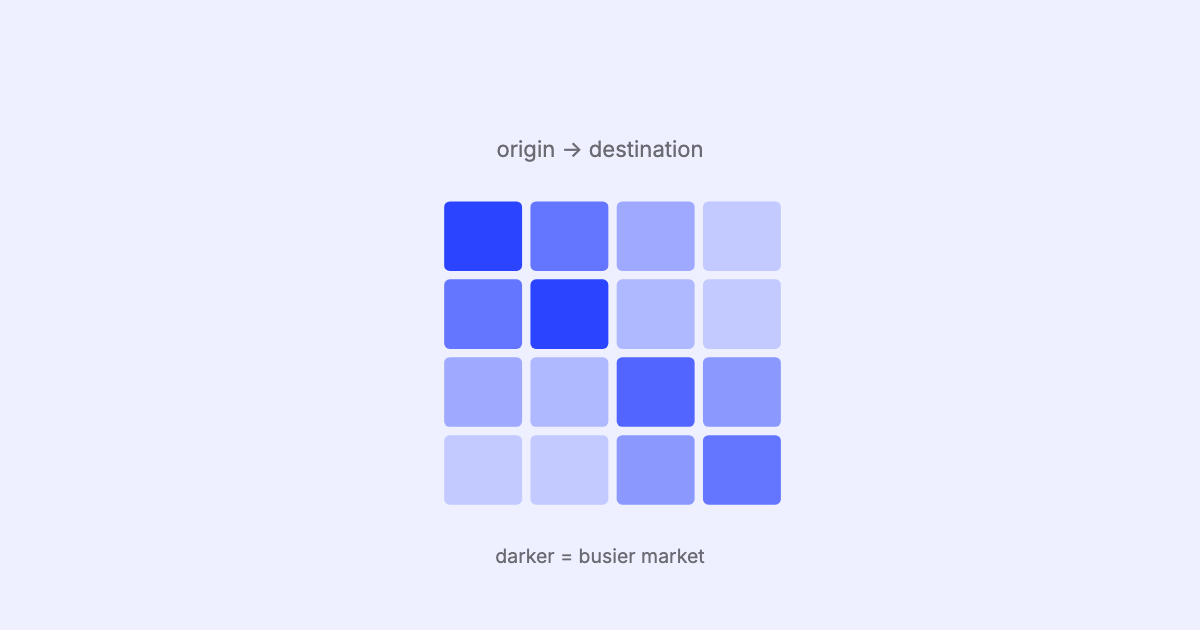
An origin–destination matrix turns a wall of flight legs into a picture of where a network flows. Here's how to read one built from a schedule — and, just as importantly, what it can and can't tell you.
SSIM & Schedules2 min read
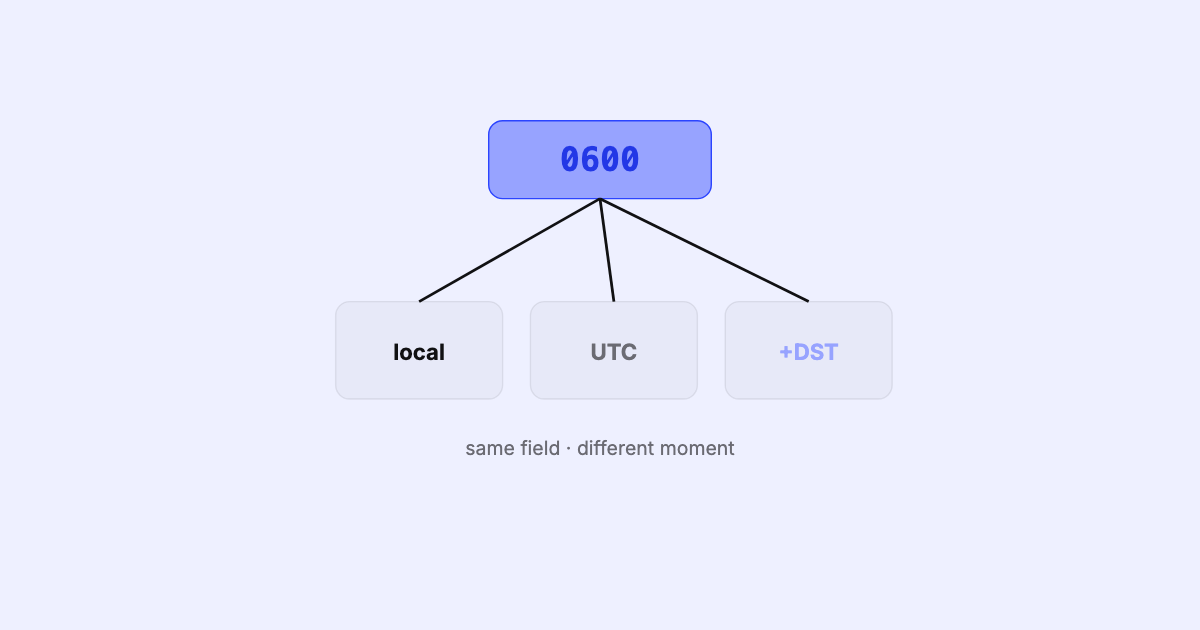
Almost every serious schedule-data bug is, at bottom, a time bug. Local vs UTC, per-station offsets, and daylight-saving transitions turn a simple 'departure time' into one of the trickiest fields in the file.

Space4 min read
A 1978 hypothesis warned that space junk could cascade until orbits become unusable. Here is where the numbers stand now.
Industry & Markets2 min read
A schedule error is cheap to fix at the desk and expensive everywhere else. Because the schedule sits at the bottom of the stack, one wrong row propagates upward — into revenue, operations, and every automated system that trusted it.
Data & Engineering3 min read
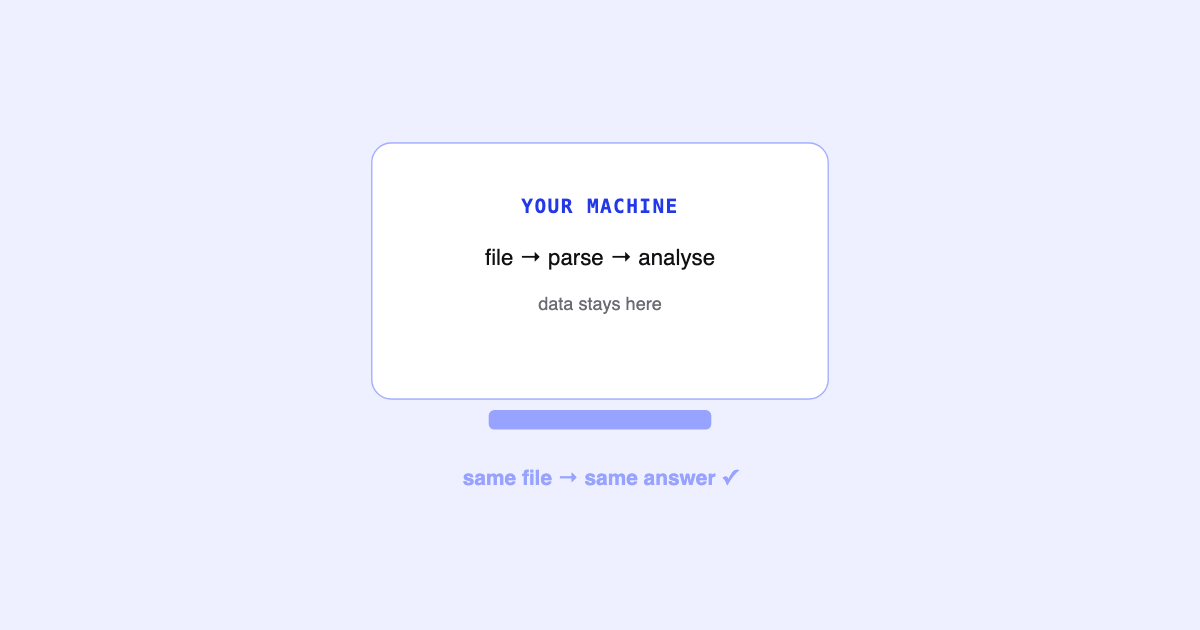
Two properties do most of the work in trustworthy schedule tooling: the data stays on your machine, and the same file always produces the same answer. Here's why both matter more than they sound.
SSIM & Schedules5 min read
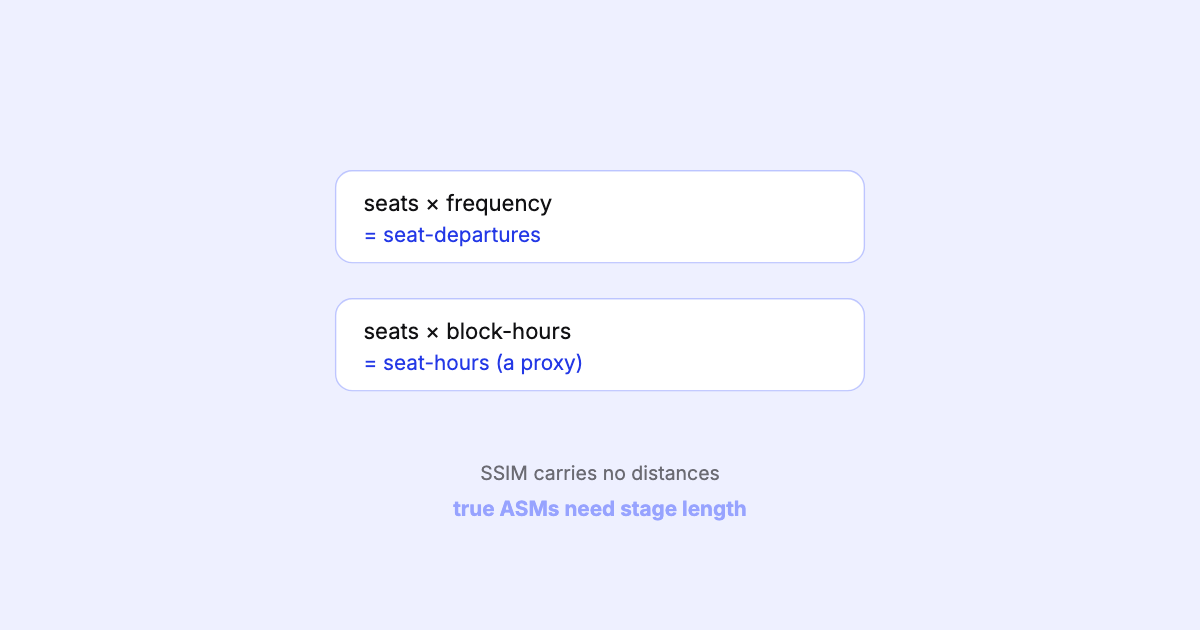
SSIM carries seats and times but no stage lengths, so you can't compute true available seat-miles from the file alone. Here's what you can honestly measure — and where the proxy ends.
SSIM & Schedules3 min read
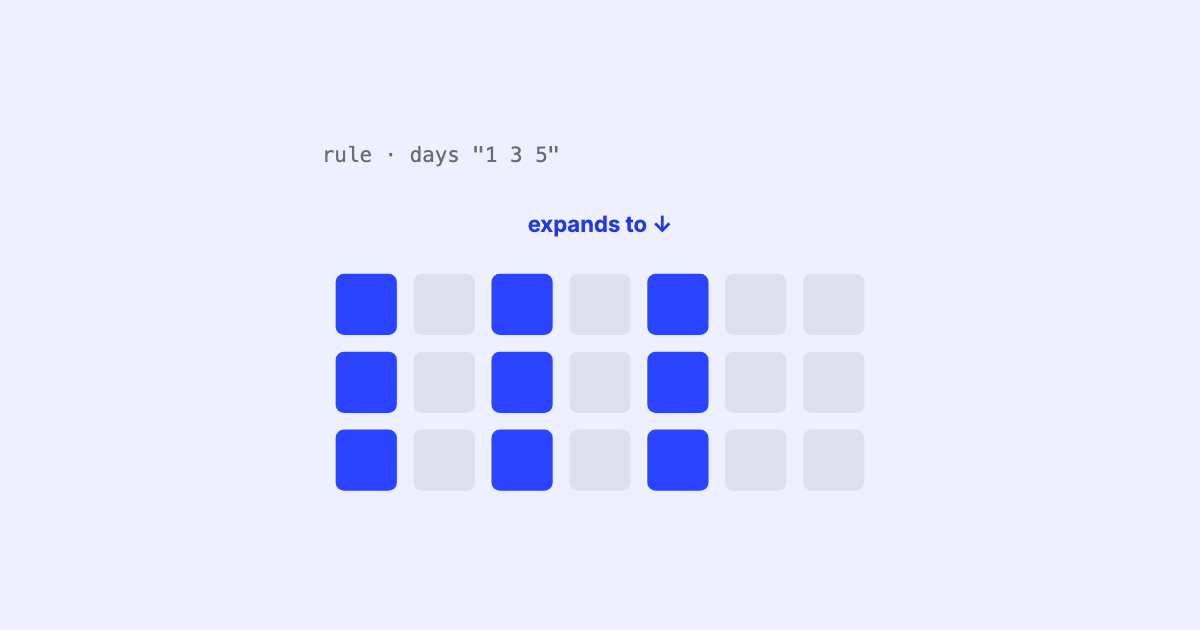
A single SSIM flight-leg line isn't one flight — it's a rule that expands into many. Getting that expansion exactly right, across days-of-operation, frequency, and season edges, is where a lot of quiet bugs live.
Aviation4 min read
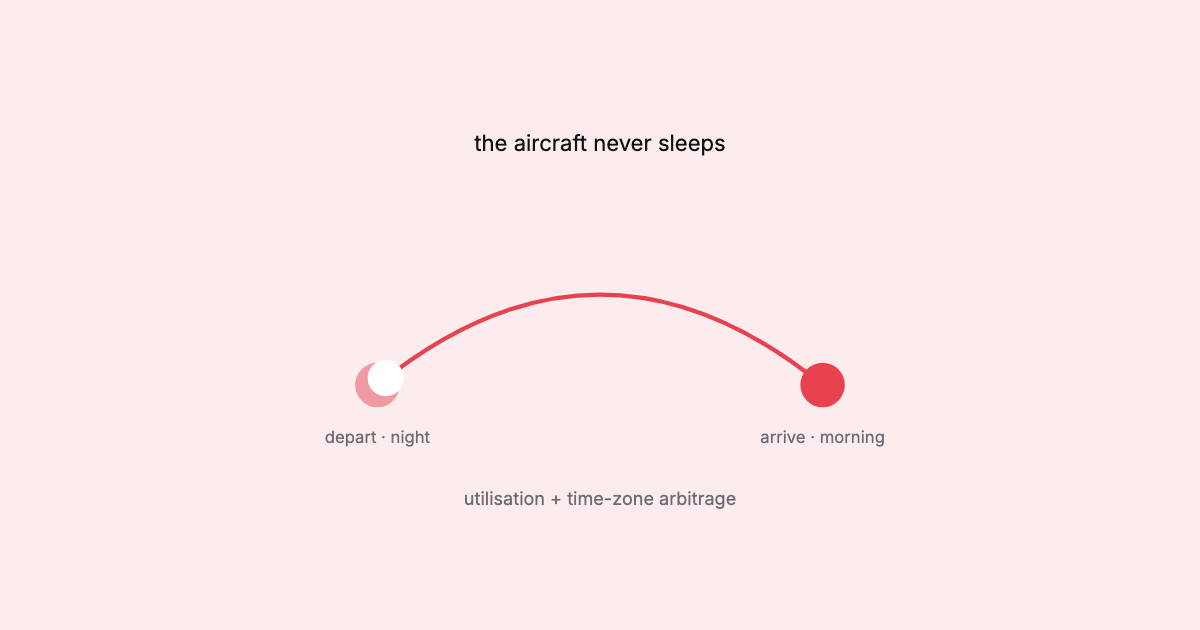
Overnight flights feel like a punishment, but they're a finely tuned piece of airline economics. Here's the real reason your plane leaves at 11pm.
SSIM & Schedules3 min read
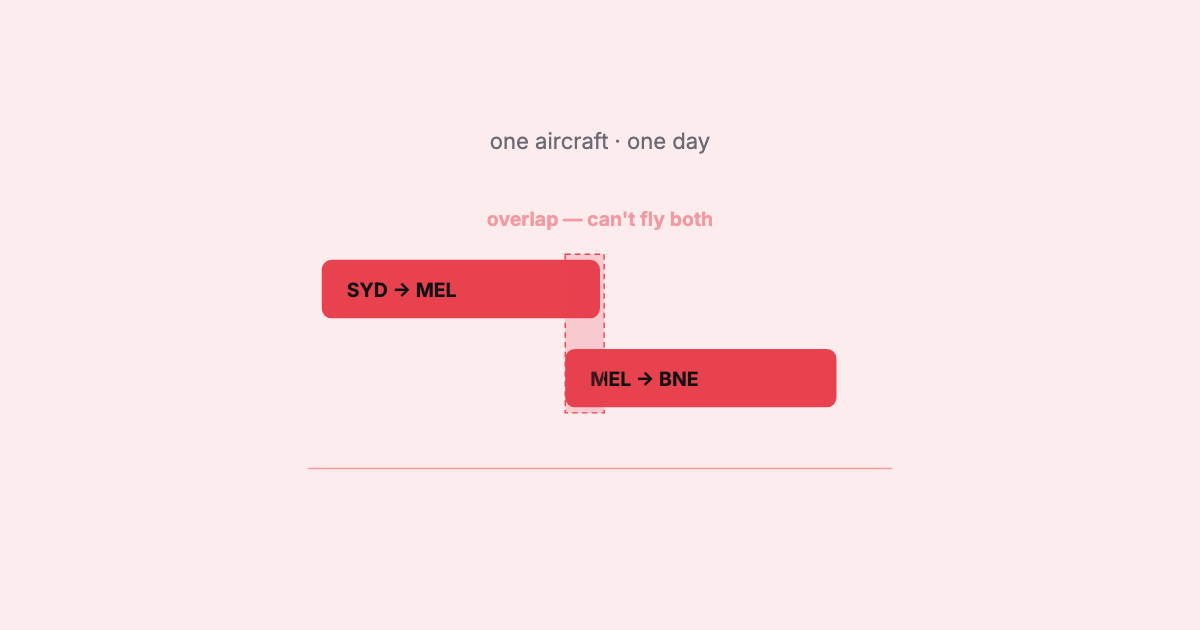
A schedule can look perfect and still be impossible — an aircraft in two places at once, a turnaround that can't be made. Deconfliction is finding those conflicts at the desk instead of at the gate.
SSIM & Schedules6 min read
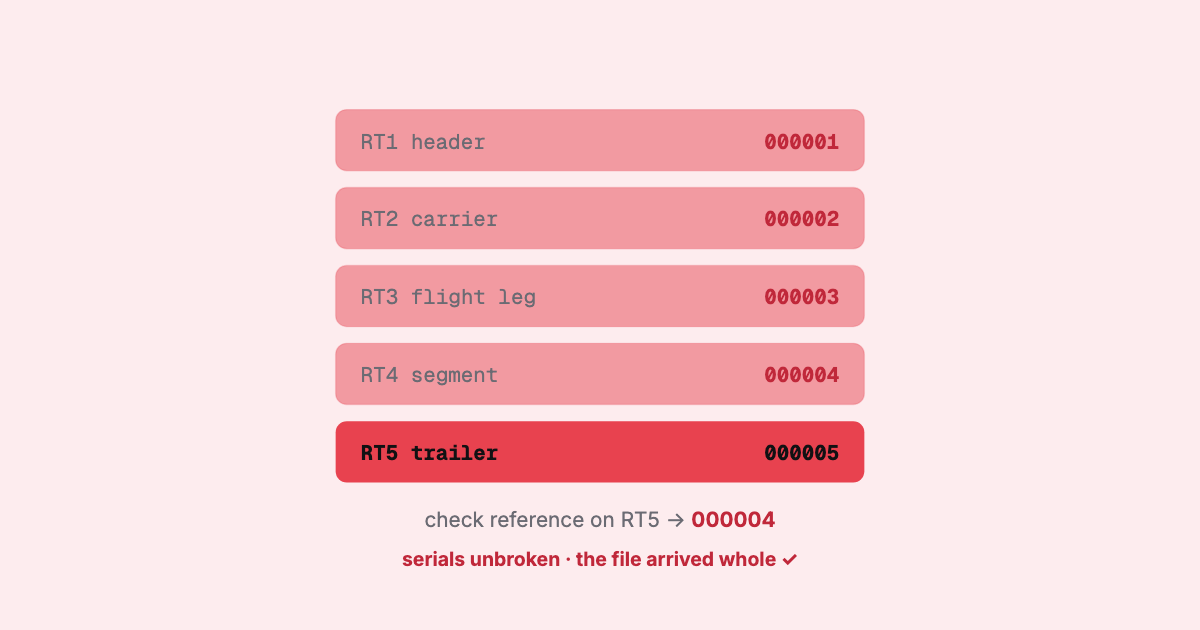
The last line of an SSIM file — the record type 5 trailer — is easy to ignore, and it's how you know the file arrived whole. Here's what it carries and why checking it is basic hygiene.
Data & Engineering3 min read
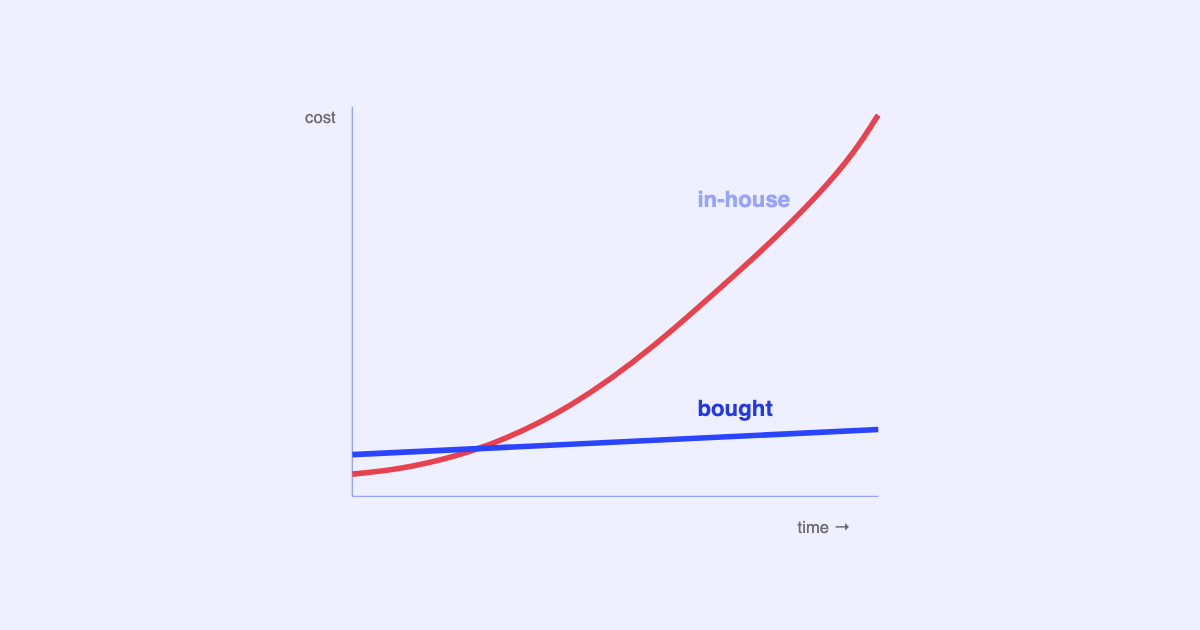
Writing your own schedule parser looks cheap — one engineer, a week, done. The real cost is the maintenance treadmill that follows. Here's the total-cost-of-ownership case, honestly.
SSIM & Schedules5 min read
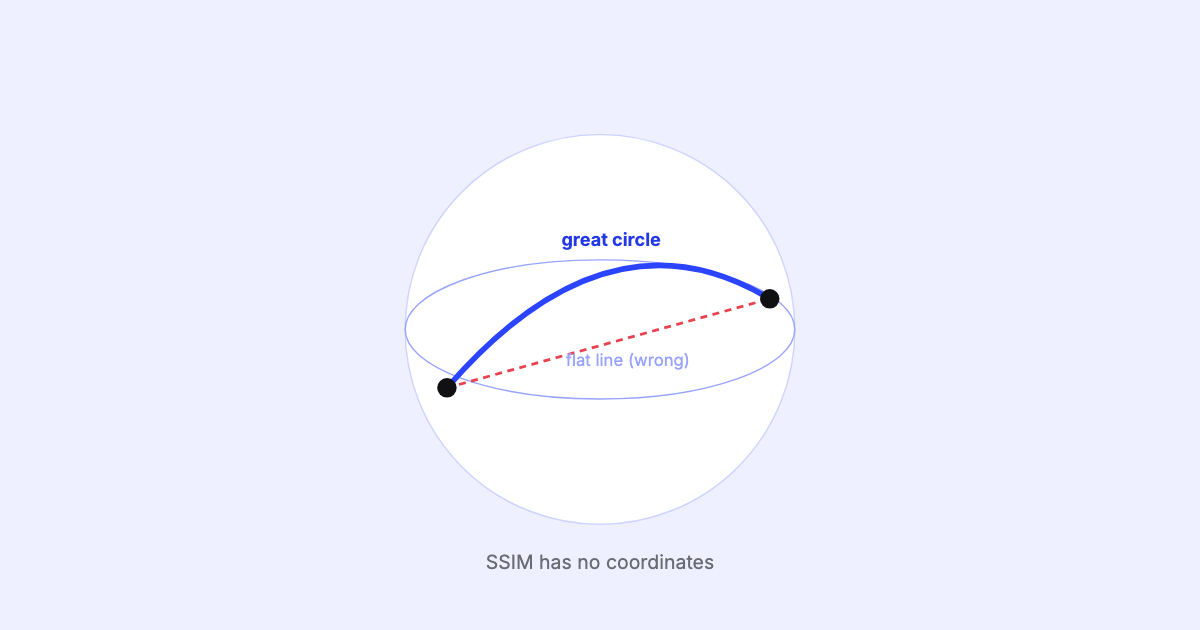
SSIM names the city pair but not where the airports are or how far apart they sit. To map a network or estimate a stage length you bring your own geography and compute the great-circle distance.
Aviation5 min read
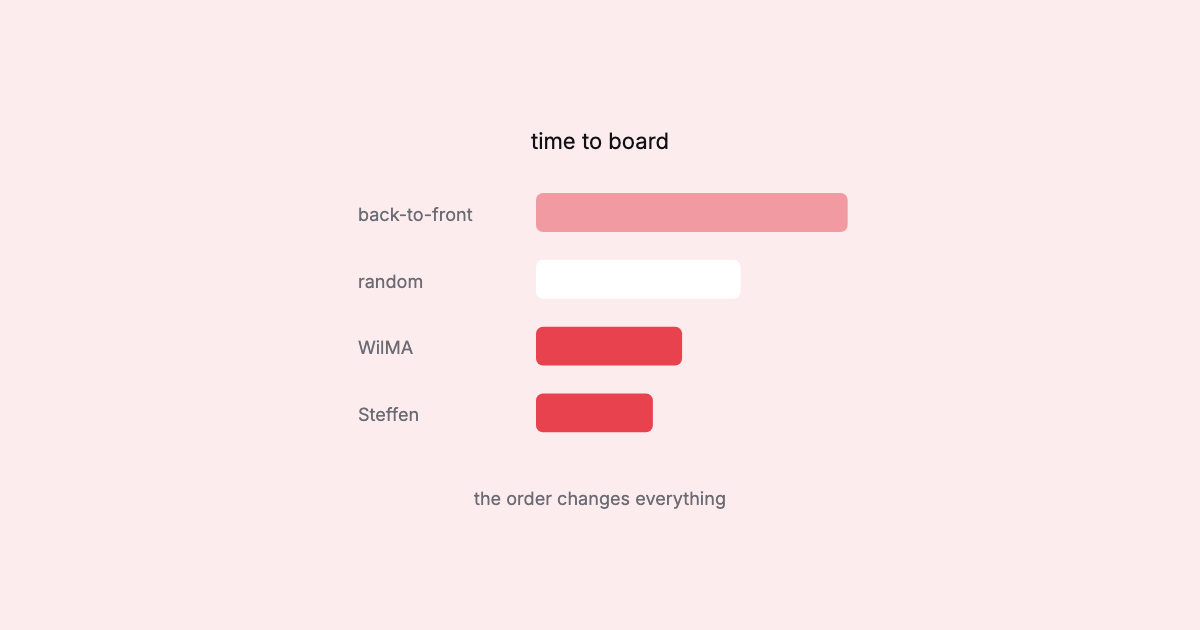
Back-to-front boarding feels logical but is one of the slowest methods. A physicist found a way that's twice as fast — so why don't airlines use it?
SSIM & Schedules4 min read
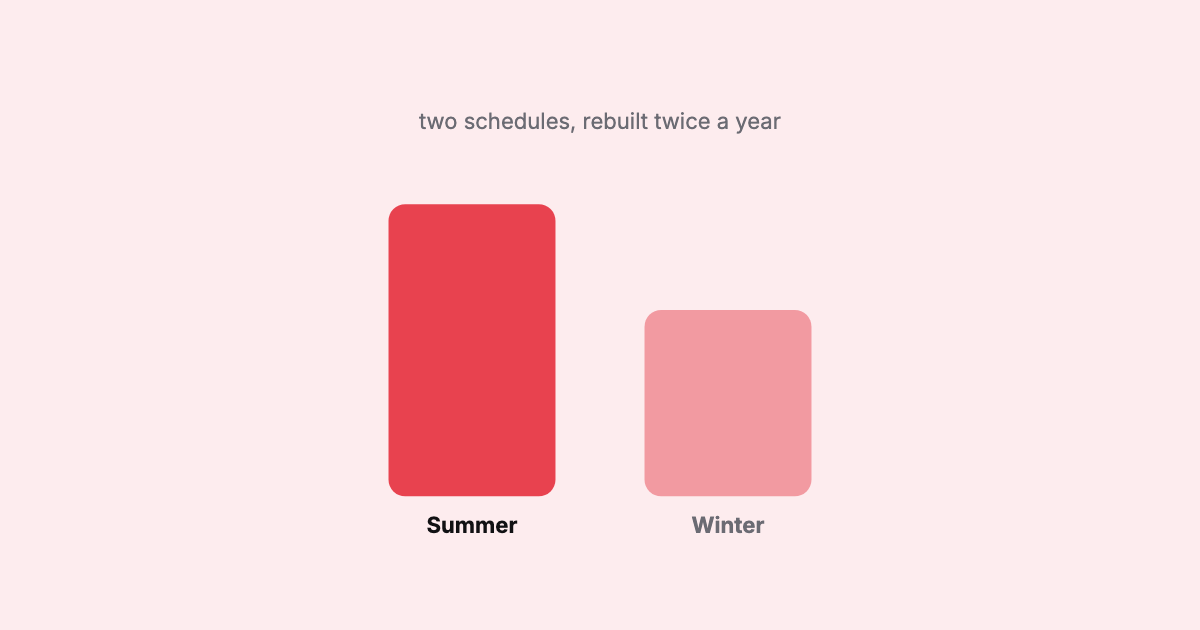
Airlines don't run one schedule — they run two, rebuilt every season. Here's why the summer and winter schedules differ, how the seasons are defined, and why 'what changed' is the question that never goes away.
SSIM & Schedules5 min read
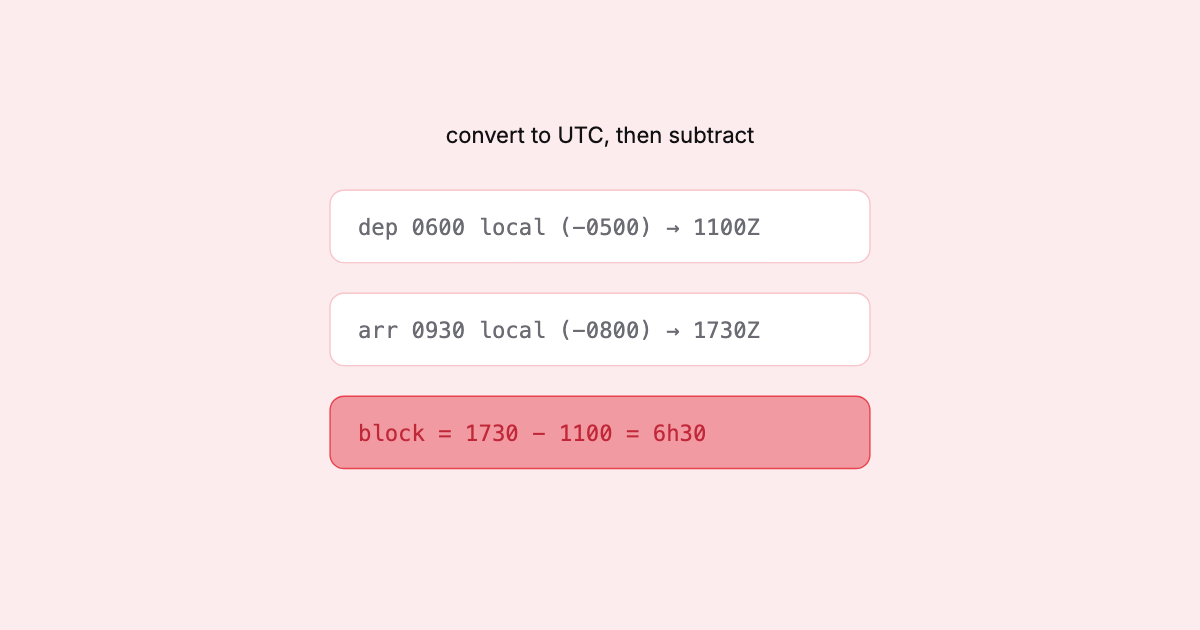
Departure and arrival times in a SSIM leg are local. Subtract them directly and a cross-timezone flight looks impossibly short, long, or negative. The correct block time goes through each end's UTC variation — here's the method, with a worked example.
Space4 min read
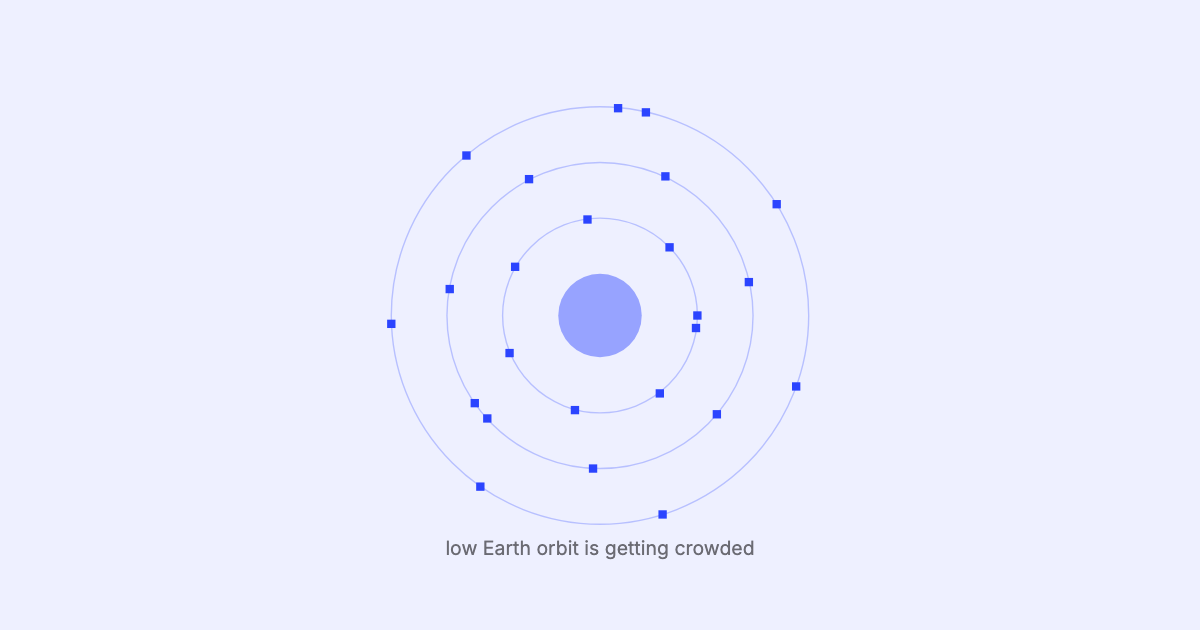
There are now more than 16,000 working satellites overhead, two-thirds of them one company's. Here's the real count, and why low Earth orbit is filling up.
SSIM & Schedules4 min read
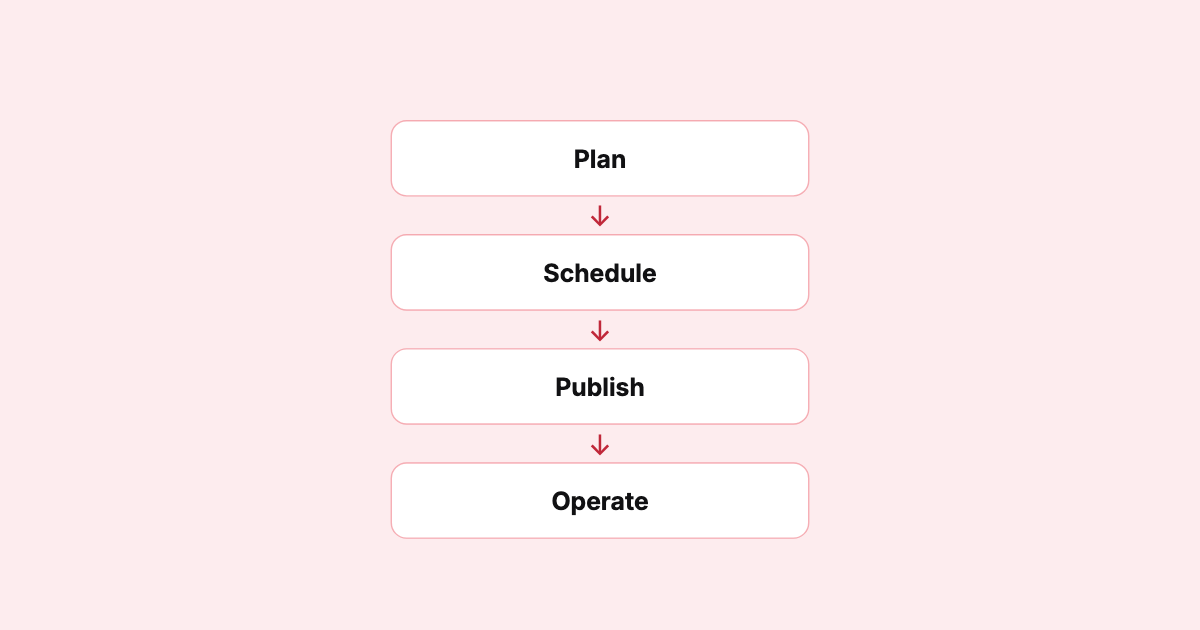
How a flight goes from a line on a network plan to an aircraft at a gate — network planning, scheduling, fleet assignment, slots, publication, and day-of-ops — and where schedule data ties it all together.
SSIM & Schedules4 min read
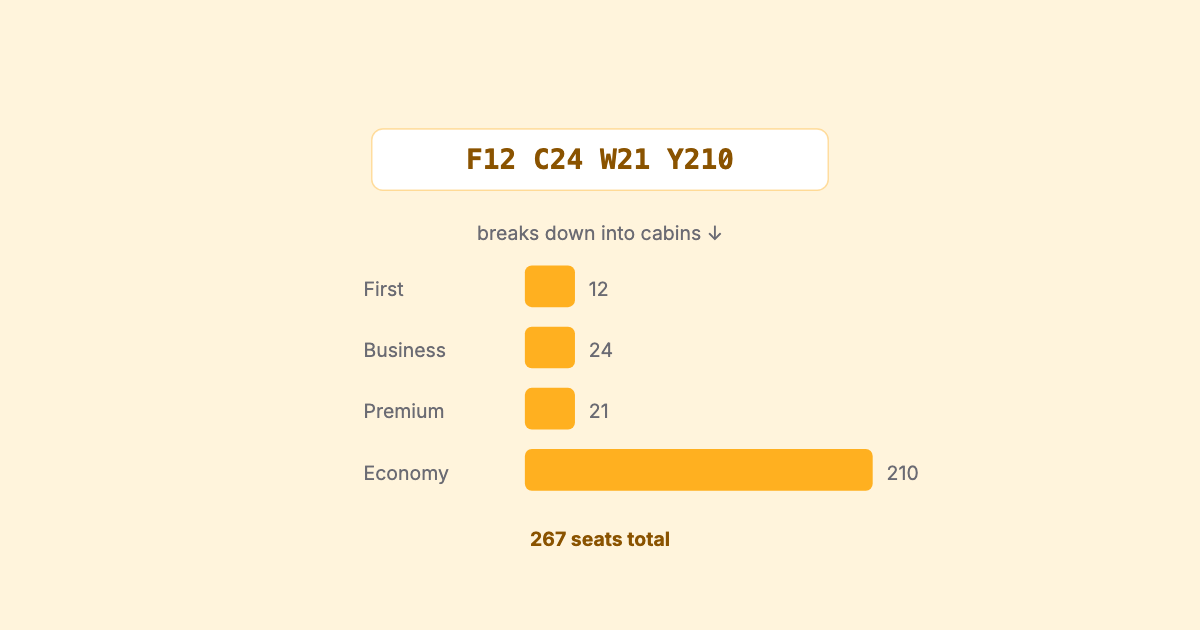
SSIM doesn't hand you a seat count. It hands you an aircraft configuration string describing each cabin compartment and its seats — and you derive the capacity from that. Here's how to read it, and why the equipment code isn't the same thing.
Aviation4 min read
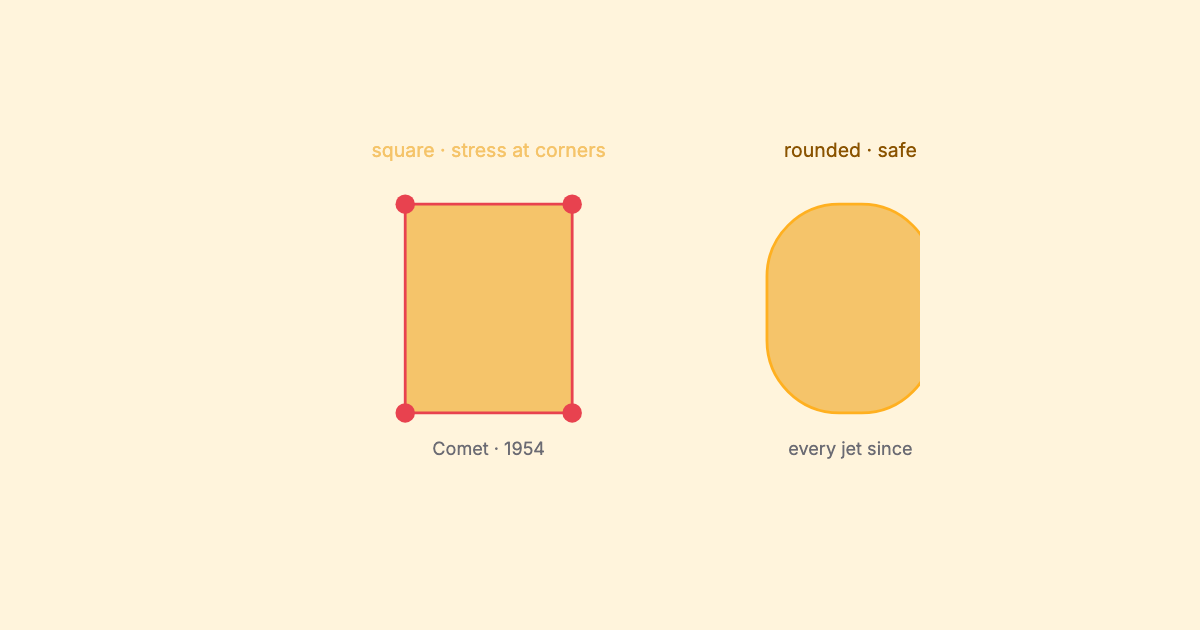
Airplane windows have rounded corners for a reason written in tragedy. The story of the world's first jetliner and the physics of a sharp corner.
SSIM & Schedules4 min read
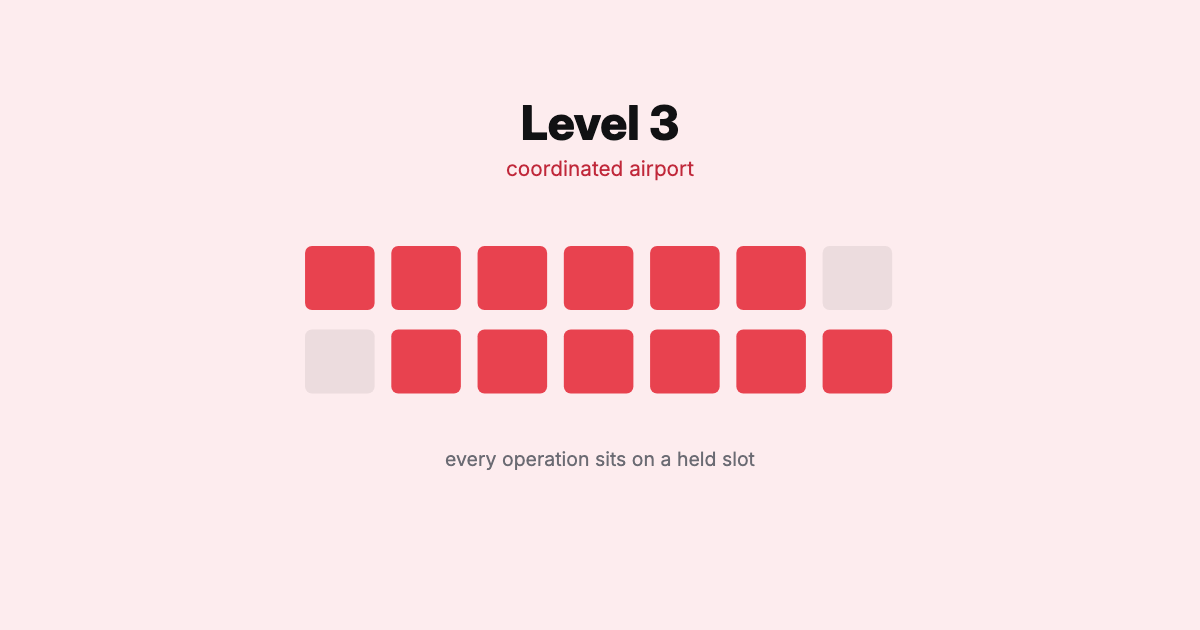
At the world's busiest airports you can't just publish a flight — you need a slot. Here's how slot coordination works, the three airport levels, and why the schedule and the slot book have to agree.
SSIM & Schedules5 min read
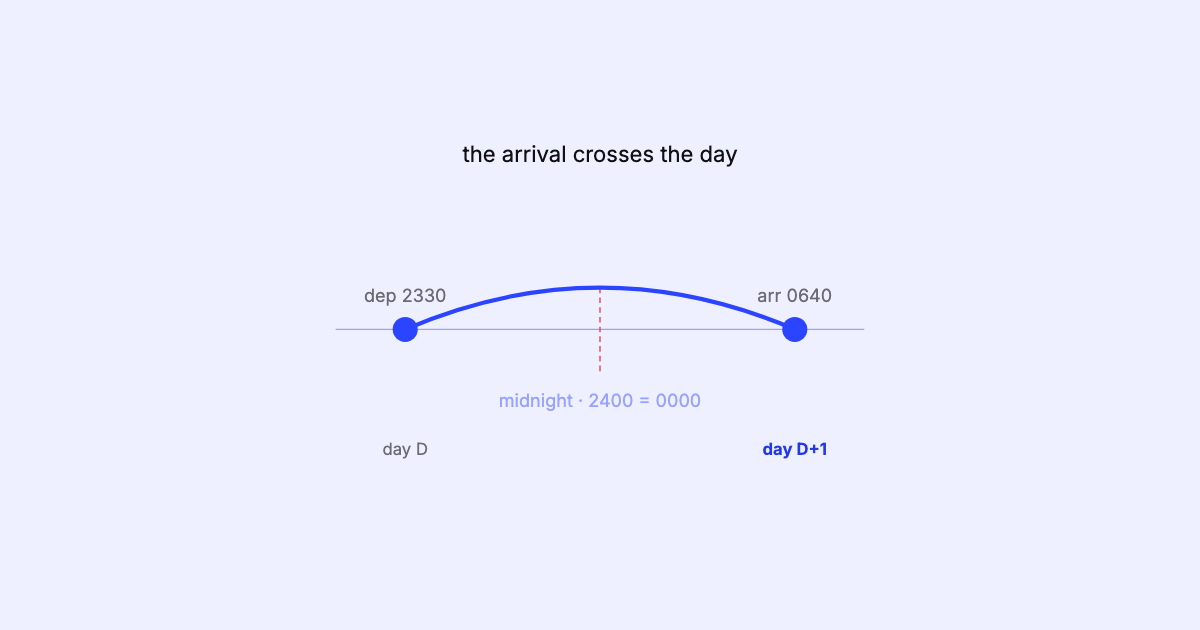
A red-eye departs one day and lands the next. SSIM encodes that with a day offset — and the 2400-vs-0000 midnight edge — which naive time handling turns into negative block times and arrivals before departure.
Space4 min read
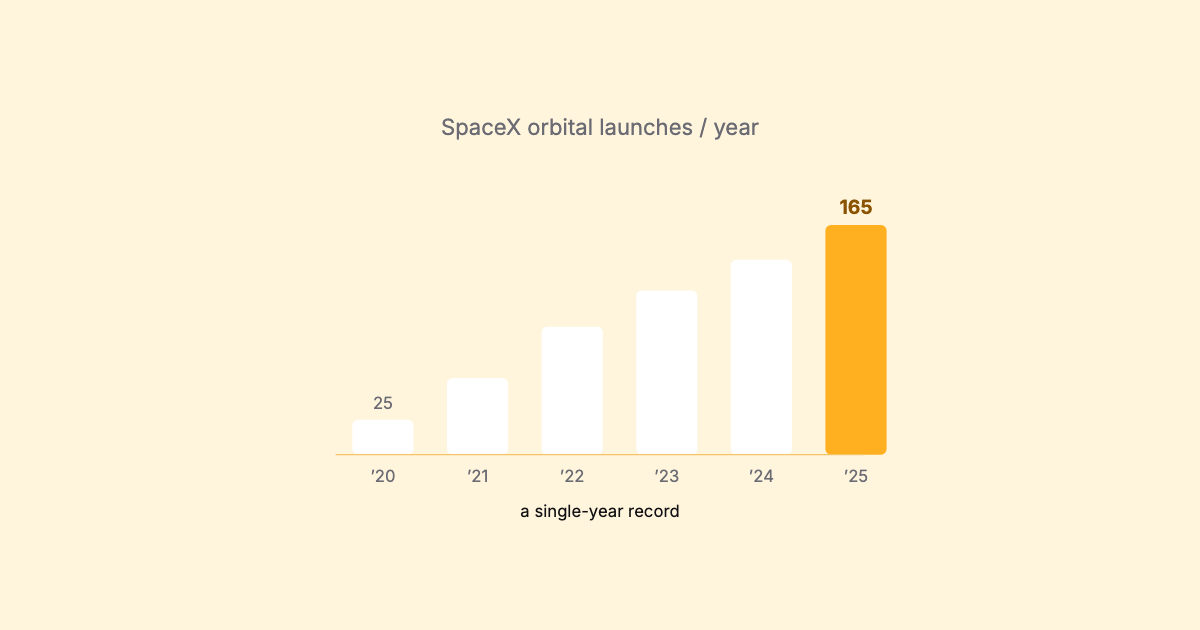
SpaceX flew 165 orbital missions in 2025 — a sixth straight record year and roughly half of all launches on Earth. The number that made it possible: reuse.
SSIM & Schedules3 min read
A field guide to the real-world quirks in SSIM feeds — time modes, overnight arrivals, DST, operational suffixes, season edges — that turn a 'simple' fixed-width parser into a maintenance treadmill.
SSIM & Schedules6 min read
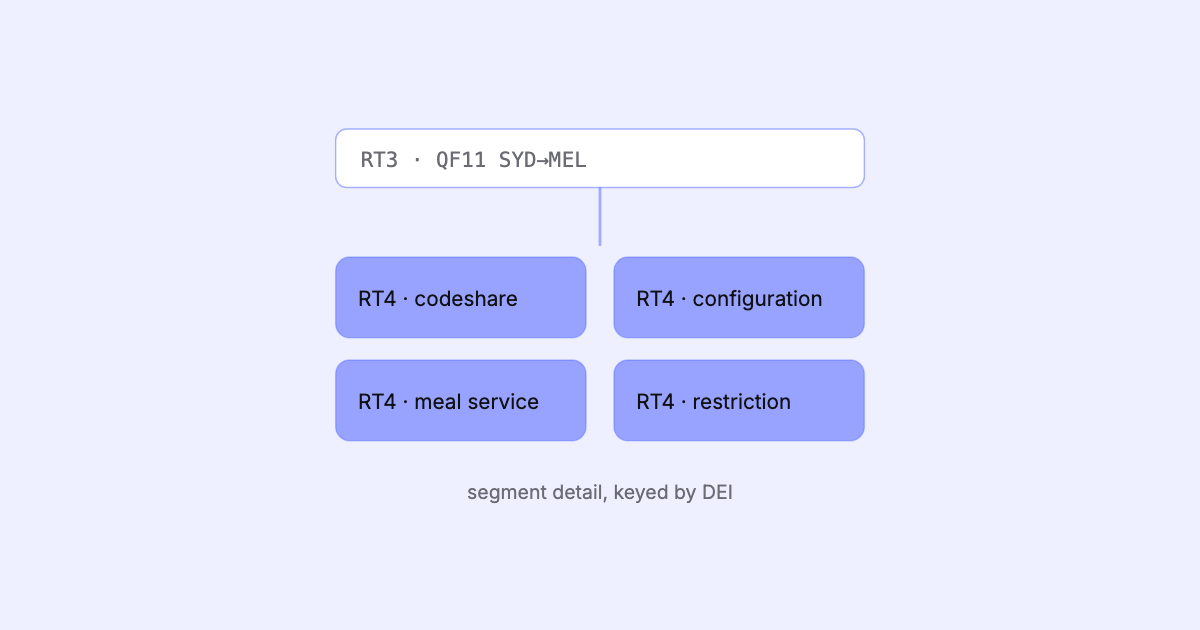
The flight-leg record says who, where, and when. The segment-data record (RT4) carries the extras — codeshares, aircraft configuration, meal service, traffic restrictions — per segment, keyed by Data Element Identifiers. A spec-level walk through what RT4 holds and why it matters.
Aviation5 min read
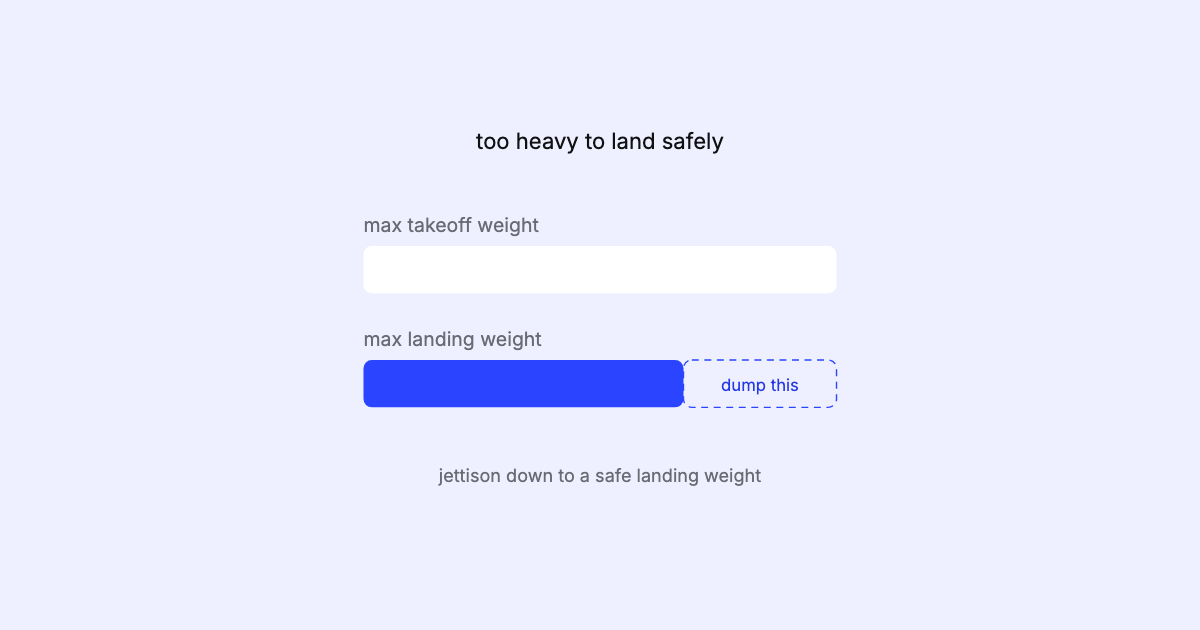
A jet that just took off with a full tank is too heavy to land. Here's why some aircraft jettison fuel, how it works, and where it goes.
SSIM & Schedules4 min read
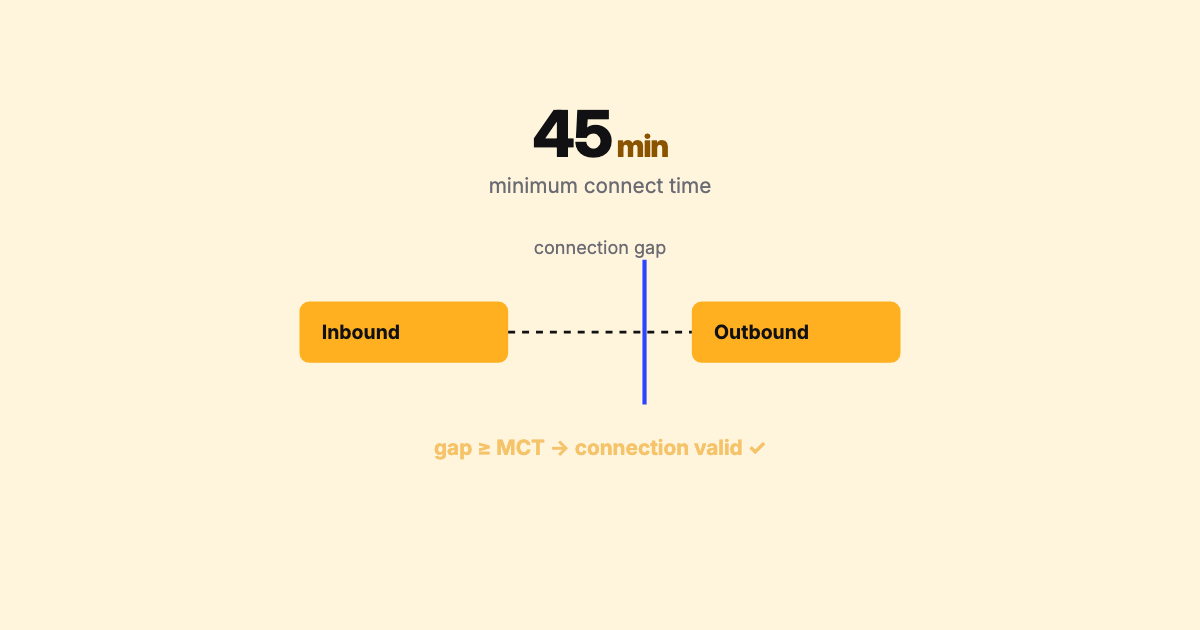
MCT decides whether a connection is sellable — and it's conditional, per-airport, and lives outside the schedule file. Here's why this one number is so easy to get wrong, and what it takes to get it right.
SSIM & Schedules3 min read
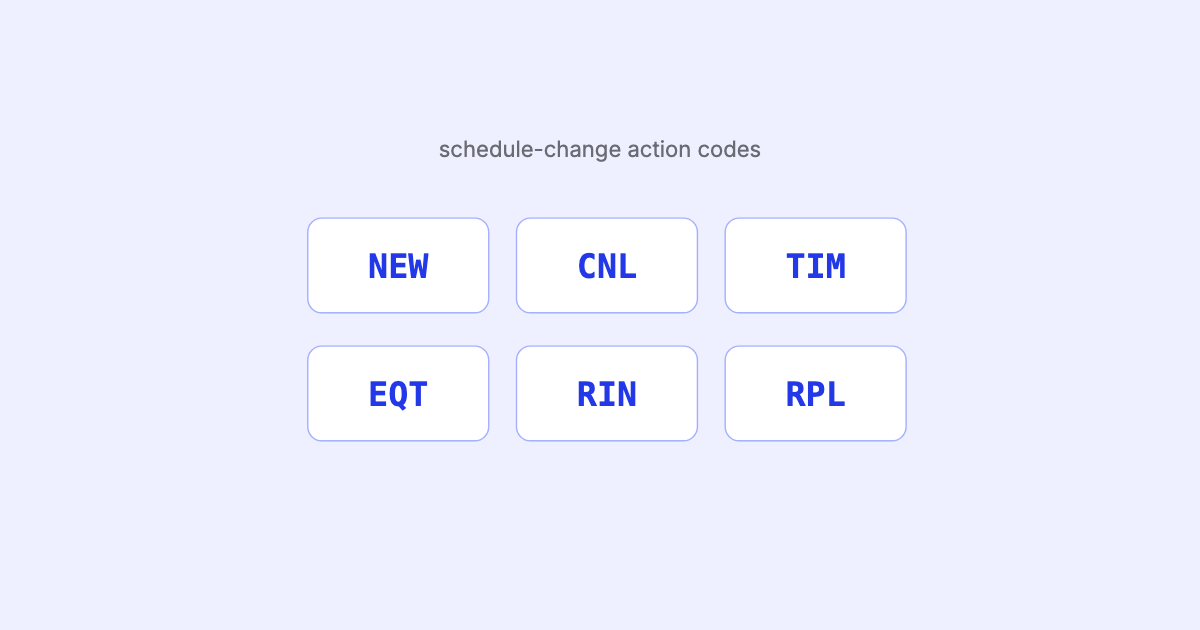
A schedule is published once, then changed constantly. SSM and ASM are the IATA messages that carry those changes — bulk and ad-hoc — with action codes like NEW, CNL, TIM and EQT. Here's how they work.

SSIM & Schedules4 min read
A field-level walk through the SSIM record types — header, carrier, flight leg, segment data, and trailer — with a sample file, the fields that matter, and the gotchas that bite parsers.
SSIM & Schedules4 min read
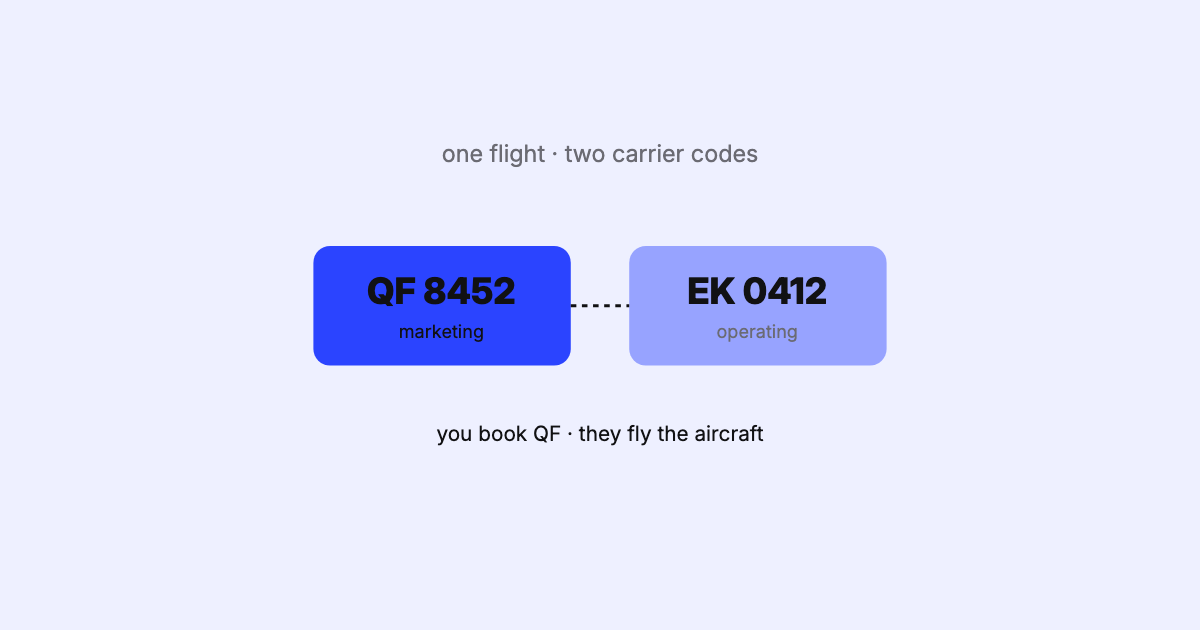
The flight number you book isn't always the airline that flies you. Here's the difference between marketing and operating carriers, codeshares, and wet/dry leases — and how it all shows up in the schedule.
SSIM & Schedules4 min read
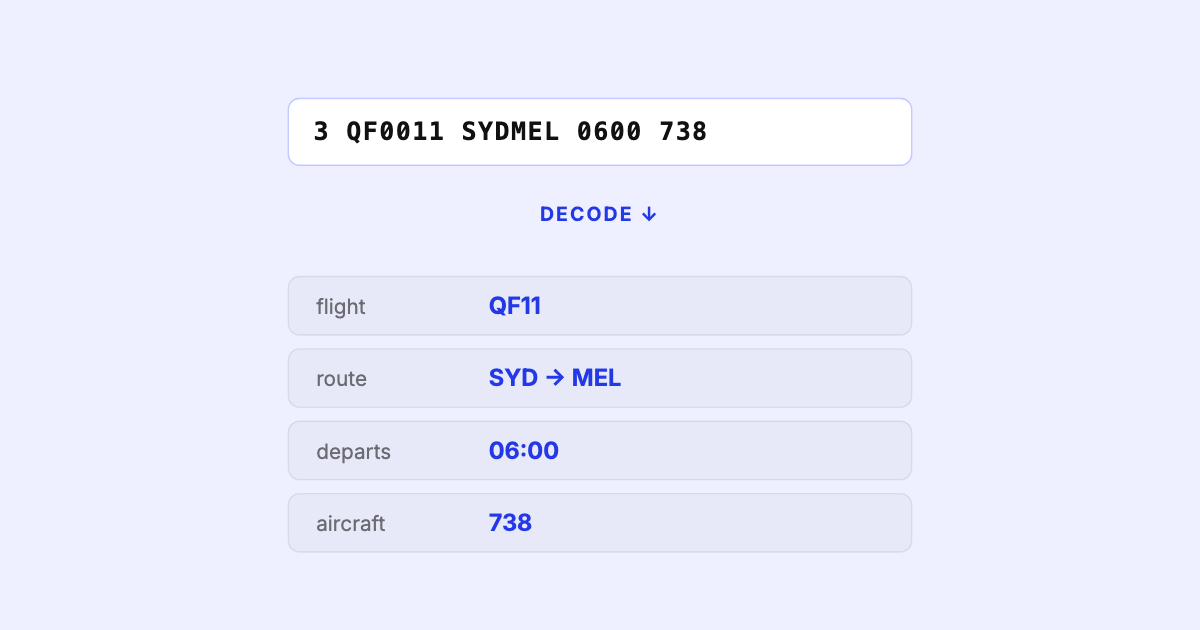
SSIM is how the airline industry exchanges its schedules — a fixed-width, 200-byte text format that's deceptively simple and genuinely hard to get right. Here's what it is and why it matters.
No articles match these filters.