


IATA vs ICAO airport codes: why Heathrow is LHR and EGLL
IATA vs ICAO airport codes explained: why airports have a three-letter and a four-letter code, who assigns each, where they're used, and why LAX has an X.
Active Flights · Blog
6 articles tagged #iata.
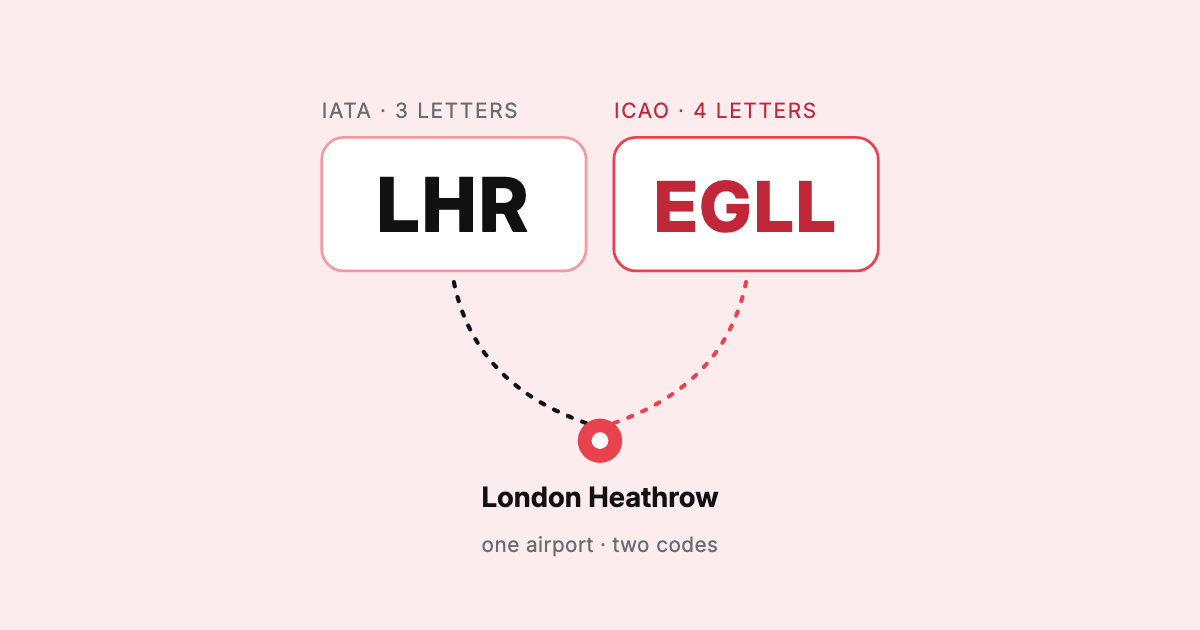
IATA vs ICAO airport codes explained: why airports have a three-letter and a four-letter code, who assigns each, where they're used, and why LAX has an X.
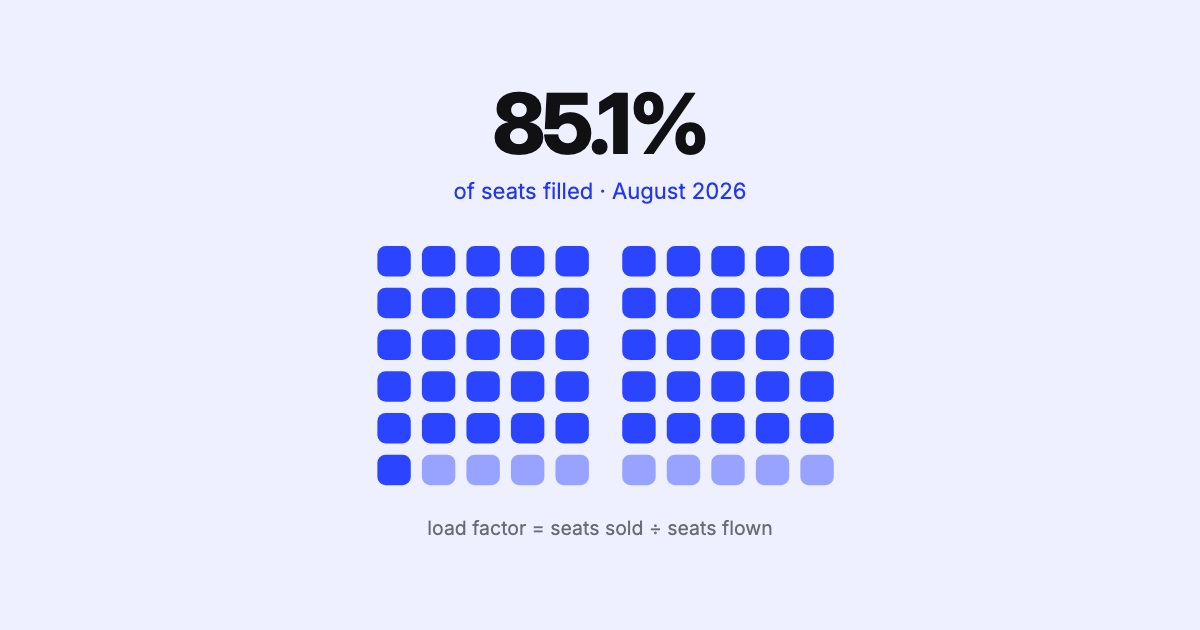
Airline load factor is the share of seats an airline fills. How it's calculated, why it hit a record 83.6% in 2025, and what a full plane doesn't tell you.
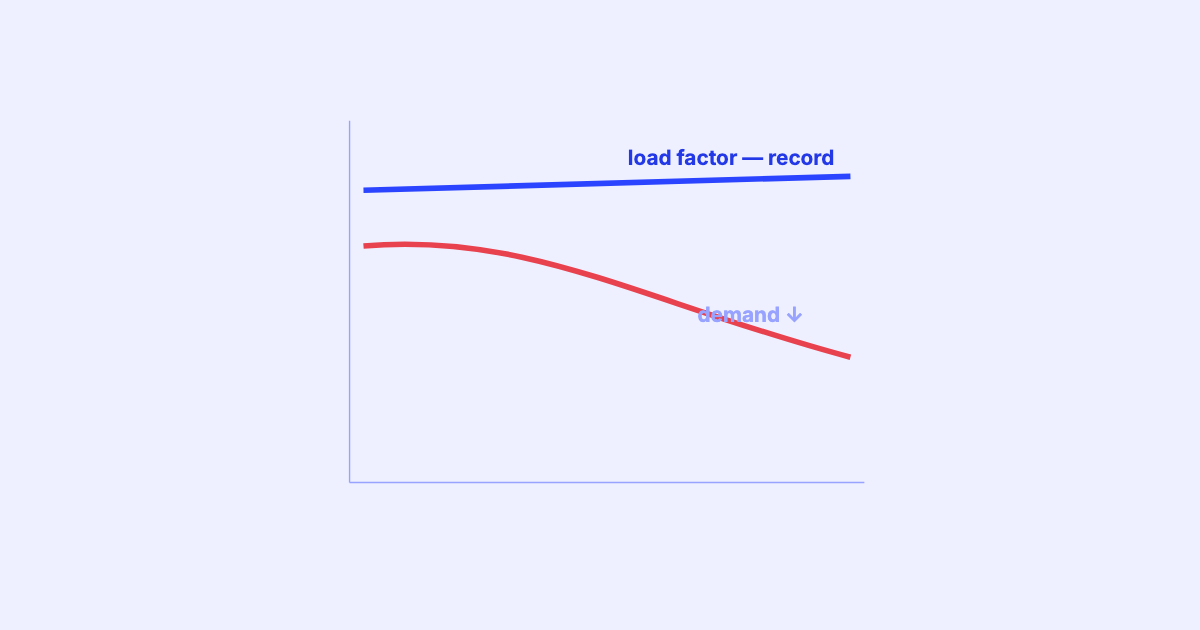
In May 2026 global air travel demand actually fell year-on-year — yet load factors hit a record for the month. That apparent contradiction says a lot about how tight, and how regional, the 2026 network has become.
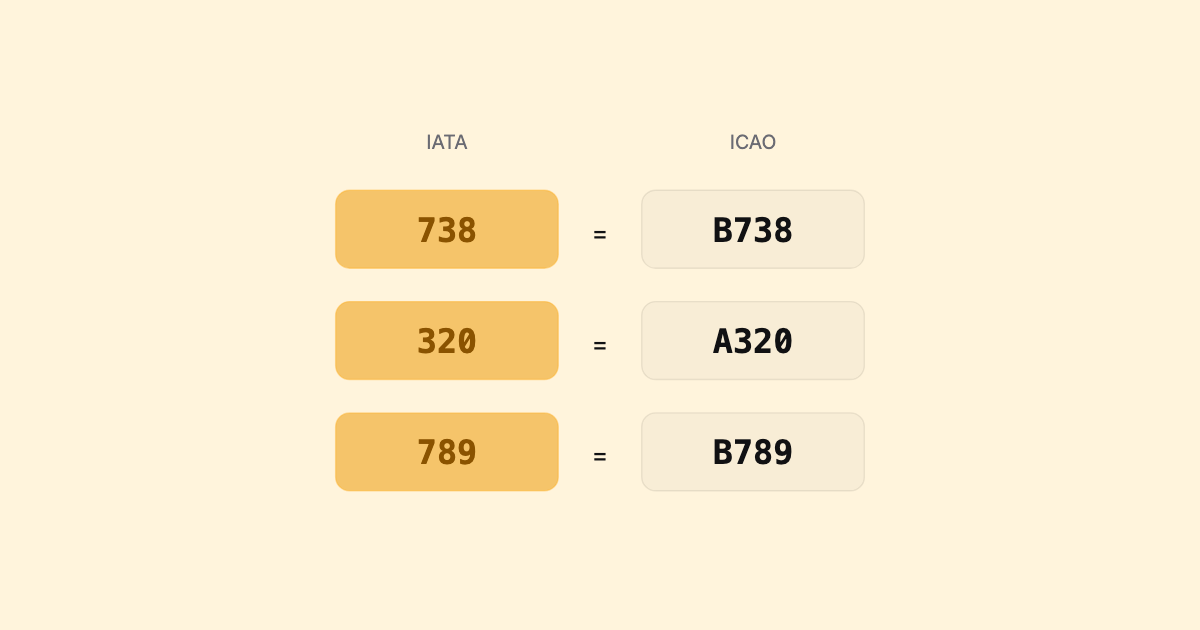
The 'equipment' field in a schedule is a short code for an aircraft type — and there are two competing code systems for it. Knowing which is which, and mapping between them, is a small skill that prevents big mistakes.
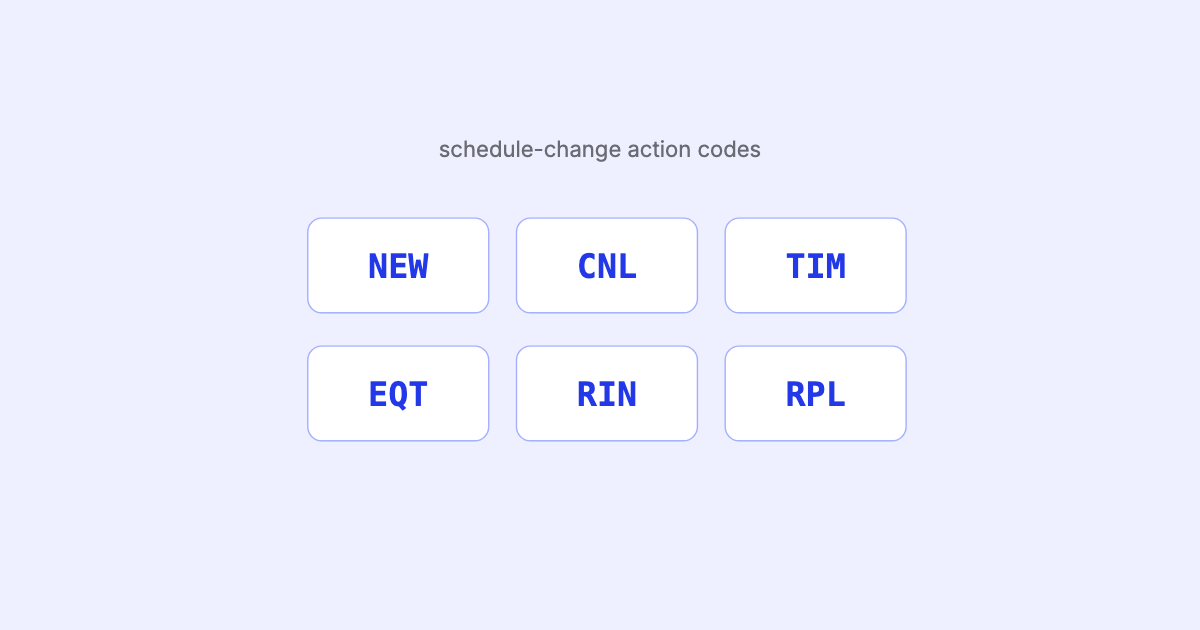
A schedule is published once, then changed constantly. SSM and ASM are the IATA messages that carry those changes — bulk and ad-hoc — with action codes like NEW, CNL, TIM and EQT. Here's how they work.
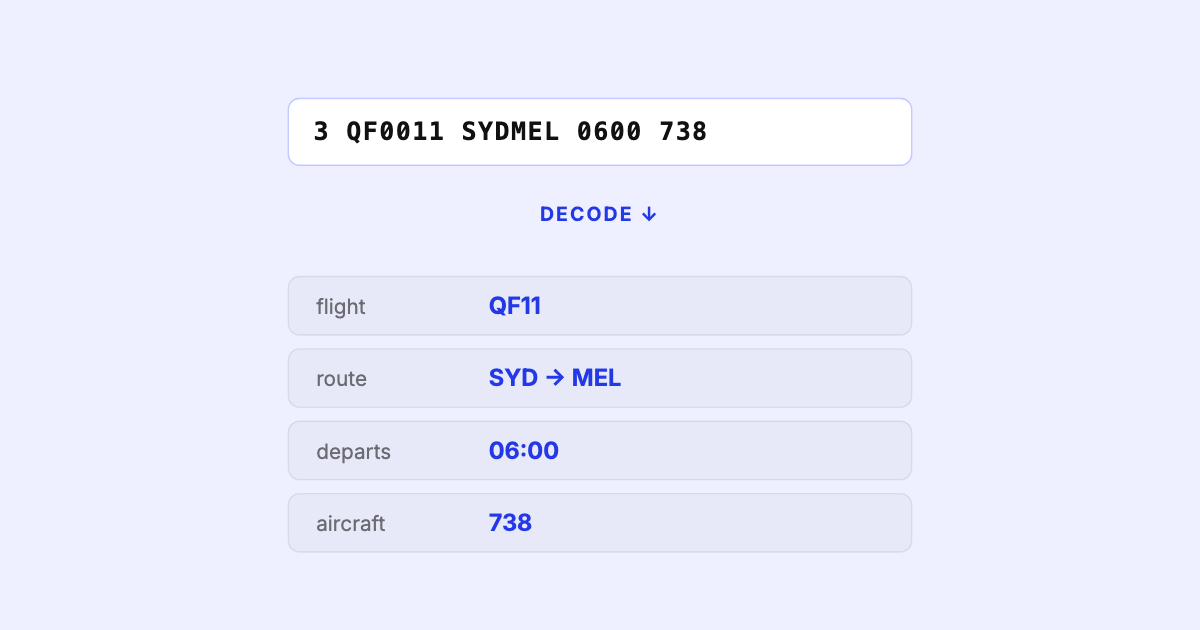
SSIM is how the airline industry exchanges its schedules — a fixed-width, 200-byte text format that's deceptively simple and genuinely hard to get right. Here's what it is and why it matters.