

Active Flights · Blog

#market

6 articles tagged #market.

Articles

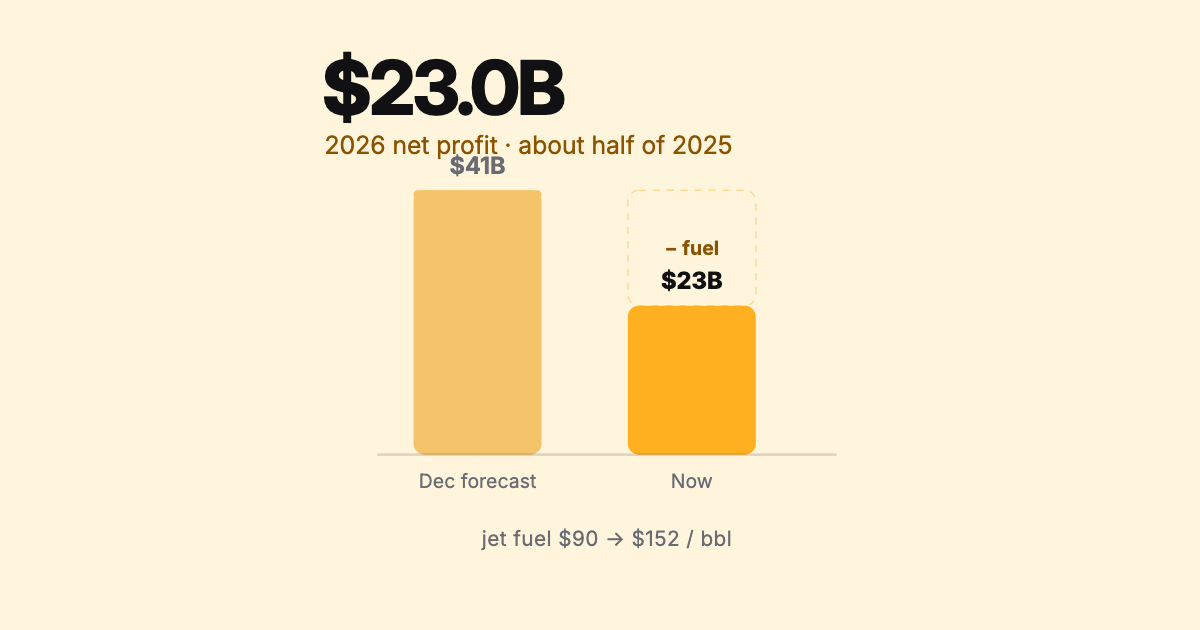
A profit bar cut nearly in half — the December $41B forecast beside a shorter $23B revised bar, the missing top shaded as fuel — with 'jet fuel $90 to $152 per barrel' below, on an Active Flights blog card.

The 2026 fuel shock: airline profits halve, and the schedule becomes the margin defense

IATA now sees 2026 industry net profit at $23B — roughly half of last year — as jet fuel jumps from $90 to $152 a barrel. Demand is still strong and carriers are beating estimates. For investors, the gap between the two is the whole story.
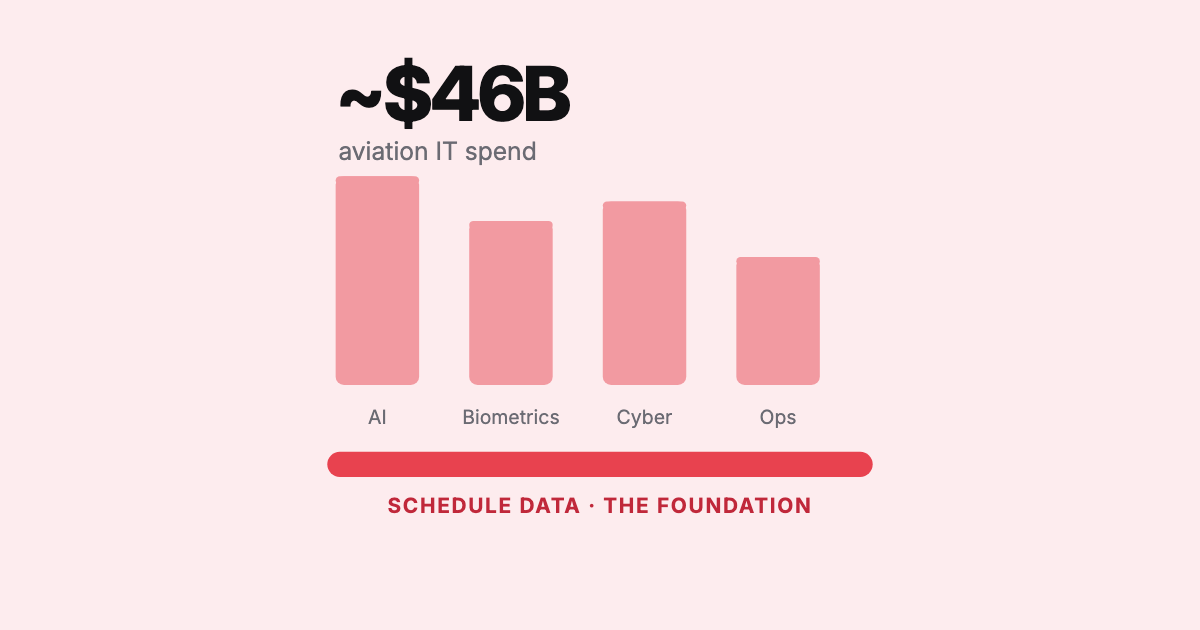
Tall bars for AI, biometrics and cybersecurity spend rising above a thin, glowing schedule-data foundation bar, on an Active Flights blog card.

Where aviation's software dollars go in 2026 — and the foundation underneath them

Airlines and airports are set to spend around $46B on IT, with AI everywhere. Almost none of it targets the schedule-data layer every operation runs on. For investors, that gap is the interesting part.

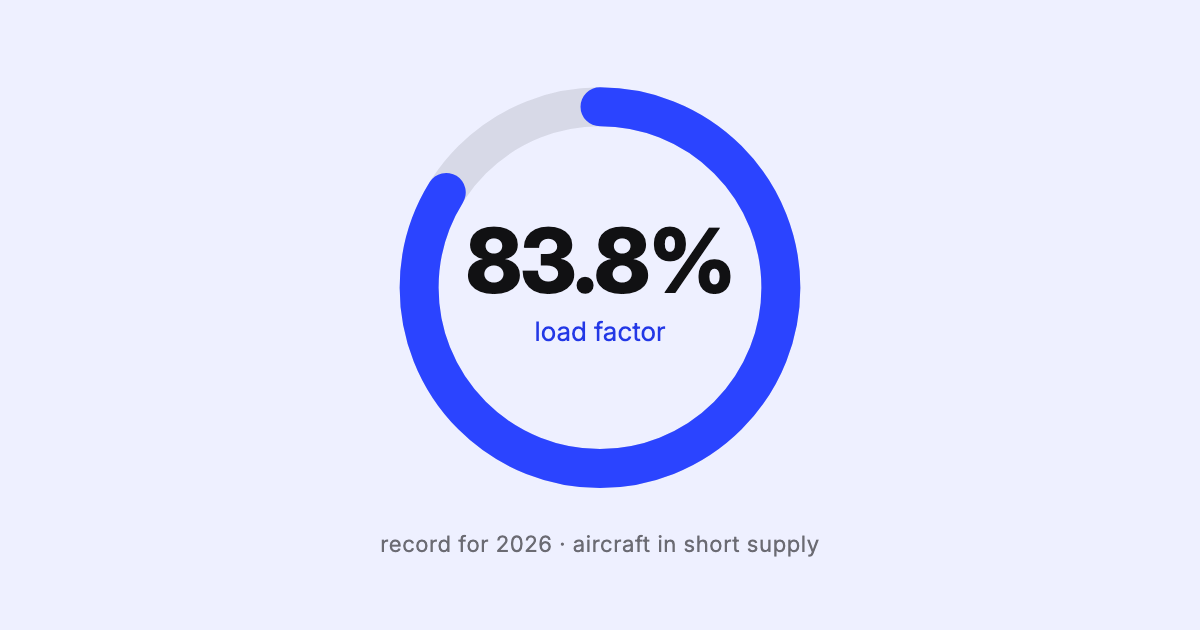
A load-factor gauge filled to 83.8% beside a grid of mostly-occupied seats, on an Active Flights blog card.

The 2026 capacity squeeze: fuller planes, thinner margins, and the pressure on schedule data

Airlines are flying at record load factors on a ~3.9% net margin while new aircraft stay scarce. When every seat counts this much, the schedule is where efficiency is won or lost.

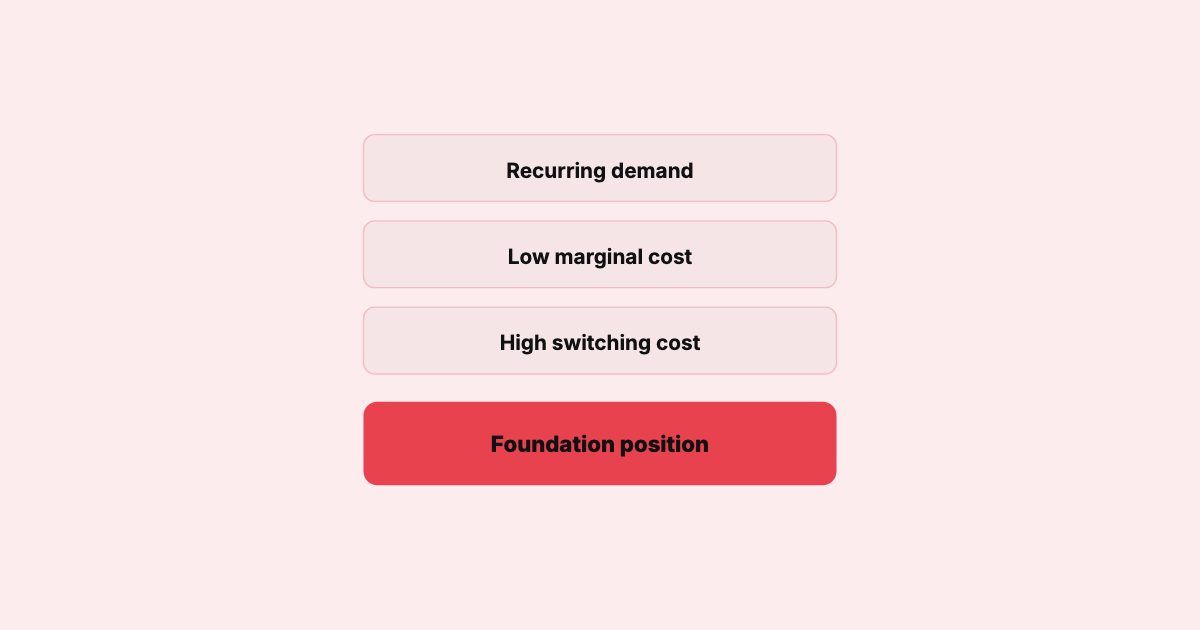
Value drivers of a schedule-data platform stacked into a durable base — recurring demand, low marginal cost, switching cost, foundation position, on an Active Flights blog card.

What a schedule-data platform is worth: the economics of a foundational tool

Recurring need, near-zero marginal cost, high switching cost, and a position under the whole stack. The unit economics of a foundational schedule-data tool are quietly attractive — here's the shape of them.

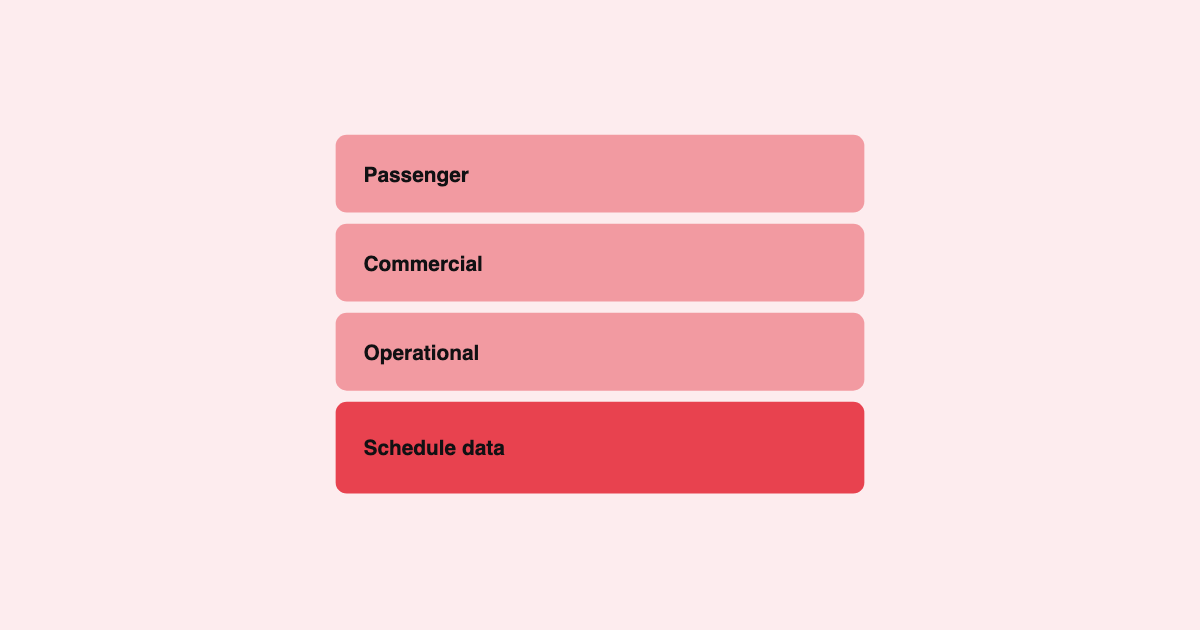
A layered airline software stack — passenger, commercial, operational — sitting on a highlighted schedule-data foundation, on an Active Flights blog card.

The airline software stack — and where schedule data sits in it

Airline technology is a layered stack, from passenger apps at the top to the data that everything runs on at the bottom. Schedule data is that bottom layer — and it's the least-invested-in part of the whole thing.

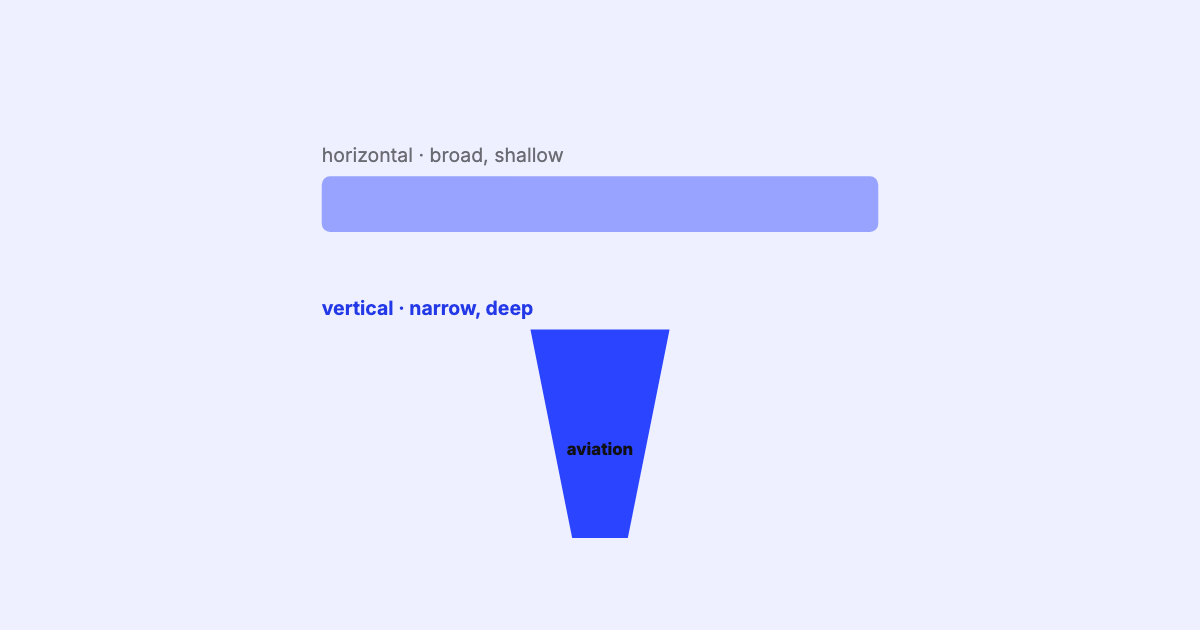
A broad horizontal software market contrasted with a deep, narrow vertical wedge into aviation, on an Active Flights blog card.

The case for vertical SaaS in aviation

Horizontal software is a knife fight. The durable value increasingly sits in vertical SaaS — deep, domain-specific tools for industries with real complexity. Aviation, and its schedule-data layer in particular, is a textbook example.

SSIM Toolkit · Desktop app

Download SSIM Toolkit

Enter your email and we'll send you a download link. It works for 24 hours. Free during the Early Access Preview.

By downloading, you'll receive release notes and product updates from Active Flights by email. Unsubscribe any time. See our privacy policy.